
Indoor Playground Play Features: The Complete Guide

Master the 8 essential equipment categories, design principles, and ROI strategies to create profitable, engaging indoor playgrounds that children love.

Quick Navifation

What Are Indoor Playground Play Features?

Indoor playground play features are the diverse range of equipment, structures, and interactive components that transform empty spaces into engaging play environments. These features work together to create comprehensive experiences that support child development, maximize engagement, and drive business profitability.

From soft foam climbers for toddlers to advanced interactive systems and role-playing areas, play features encompass everything that makes a playground functional, safe, and commercially successful.

The Play Features Ecosystem

8 Essential Play Feature Types

Successful indoor playgrounds aren’t built on a single type of equipment. Instead, they combine multiple feature categories strategically to create diverse play experiences that appeal to different age groups, interests, and play styles. This diversity keeps children engaged longer and encourages repeat visits.


From soft foam climbers for toddlers to advanced interactive systems and role-playing areas, play features encompass everything that makes a playground functional, safe, and commercially successful.


Toddler Soft Play

Safe, engaging equipment for ages 0-3 featuring soft foam construction, gentle climbers, and sensory experiences.

Themed Strurcture

Multi-level climbing systems with imagination-sparking themes (castle, space, jungle) for ages 3-12.

Slided

Diverse sliding experiences (spiral, wave, tube, drop) providing thrilling play for all ages.

Ball Pits

Active play experiences with ball pits, foam pits, and professional trampolines for high-energy engagement.

Climbing Walls

Progressive climbing challenges including walls, bouldering, and rope courses for skill development.

Interactive Systems

Technology-enabled play featuring projection games, AR experiences, and interactive panels.

Sensory Panels

Tactile panels, sound stations, and STEM components supporting cognitive development.

Role-Playing Areas

Imaginative play spaces (supermarket, kitchen, hospital, fire station) for social development.

How to Choose the Right Play Features

Selecting play features depends on several key factors:

  • Target Age Group

    Different features serve different developmental stages. Toddler-friendly elements should prioritize safety and accessibility, while older children benefit from more active challenges.

  • Space Size and Layout

    Efficient zoning ensures smooth traffic flow and prevents overcrowding. Combining active and calm play features creates balance within the space.

  • Business Concept

    A play café may prioritize imaginative and social play, while an indoor playground may focus more on physical activity and adventure.

  • Safety and Maintenance

    Durable materials and thoughtful placement reduce maintenance needs and ensure long-term operation.

Feature CategoryInitial InvestmentDwell Time ImpactAge AppealROI Priority
Multi-Level Structures$$$$Very High3–12 yearsPriority 1
Slides$$$Very HighAll agesPriority 1
Ball Pits$$High0–8 yearsPriority 2
Toddler Soft Play$$$High0–3 yearsPriority 2
Interactive Systems$$$Very High5–12 yearsPriority 2
Climbing Walls$$Medium5–12 yearsPriority 3
Role-Playing Areas$$Medium3–8 yearsPriority 3
Sensory Panels$Medium0–5 yearsPriority 3

Get Your Free Facility Consultation

Ready to Create Your Ideal Indoor Playground?

Choosing the right play features is the first step toward building a successful play café or indoor playground experience.

Our team helps clients design customized play environments tailored to their space, audience, and business goals.

Professional Design Principles for Indoor Playgrounds

Professional Design Principles for Indoor Playgrounds

1. Age-Appropriate Zoning

Divide your space into distinct zones for different age groups. Toddler areas should be separate with close supervision, while older children's areas can feature more challenging equipment. Clear visual boundaries help parents manage their children and prevent age-inappropriate access.

2. Supervision Sight Lines

Design the space so staff can see all play areas from designated supervision stations. Avoid tall structures or enclosed areas that obstruct views. Good supervision reduces injuries and increases parent confidence.

3. Progressive Difficulty

Include features with varying difficulty levels so children of different abilities can participate and experience success. This encourages repeat visits as children develop skills and tackle new challenges.

4. Multiple Pathways

Design structures with several routes to reach the top. This prevents bottlenecks during busy periods and allows children to choose challenges matching their comfort level.

5. Balanced Feature Mix

Combine different types of play: active (climbing, jumping), imaginative (role-playing), sensory (tactile, auditory), and social (multi-user features). This appeals to diverse play preferences and keeps all children engaged.

Well-designed playground showing proper age zoning, supervision sight lines, safety signage, and trained staff
Common Questions About Indoor Playground Play Features

Common Questions About Indoor Playground Play Features

Practical answers for planning, budgeting, safety, and feature selection—written for owners and operators who want a clean path from concept to a facility that runs smoothly.

A: A basic facility with essential features (multi-level structure, slides, ball pit) typically costs $150,000-$250,000 for a 3,000-5,000 sq ft space. However, comprehensive facilities with all 8 feature categories may require $300,000-$500,000. The key is strategic prioritization based on your target market and available space.

A: Daily visual inspections, weekly detailed inspections, and monthly comprehensive evaluations are industry best practices. Document all inspections and maintenance for liability protection. Establish relationships with qualified maintenance providers for repairs and replacements.

A: Yes! Many successful facilities start with core features (structures, slides, ball pit) and add features as revenue allows. Plan your space layout to accommodate future expansion. Modular equipment makes this easier than fixed installations.

A: Quality equipment lasts 10-15 years with proper maintenance. Foam components may need replacement every 5-7 years. Budget 5-10% of equipment cost annually for maintenance and repairs. High-quality materials and professional installation extend lifespan significantly.

A: Work with certified manufacturers and professional installers who understand ASTM standards. Request documentation of compliance. Establish regular inspection protocols and maintain detailed records. Consider hiring a third-party safety auditor annually.

A: Toddlers (0-3): Soft play, gentle climbers, sensory panels. Preschoolers (3-5): Themed structures, small slides, ball pits. Kids (5-12): Multi-level structures, challenging slides, climbing walls, interactive systems. Teens (12+): Advanced climbing, ropes courses, interactive technology.

A: Unique feature combinations, interactive technology, themed environments, and exceptional customer service set you apart. Consider what competitors lack and fill those gaps. Unique experiences generate word-of-mouth marketing and social media buzz.

Tip: Click a question to expand. (On your site builder, you can also duplicate items and replace the text.)

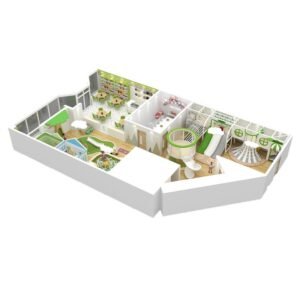
Play Cafe indoor 3D Graph

Ready to Build a Profitable Kid Indoor Play Café?

If you’re looking for a kid indoor amusement park supplier who understands the play café business model, we can help you plan zoning, safety-first play areas, and a café-ready layout that’s built to operate—not just to look good. Explore our Play Café Solutions to see typical layouts, core zones, and delivery steps from concept to opening.