
Shopping malls are no longer just retail hubs — they are becoming multi-purpose destinations where shopping, dining, entertainment, and community experiences merge. Among the most effective amenities for driving family traffic and longer dwell times is the mall playground.
For parents, a safe and engaging play area gives their children an outlet to burn energy while they relax, shop, or enjoy a meal. For mall operators, it’s a proven way to increase foot traffic, extend customer stays, and enhance the mall’s reputation as a family-friendly destination.
At KoalaPlay, we have designed and built mall playgrounds across the globe. We’ve seen firsthand how a thoughtfully planned play space can transform a quiet corner of a shopping center into a lively, revenue-generating community hub. In this guide, we’ll walk you through the complete process of designing a mall playground — from initial space assessment to post-opening marketing — blending creative vision with practical know-how.
1. Mall Playground Planning and Space Assessment
Every successful playground project begins with understanding the space you’re working with. Before colors, slides, or climbing walls enter the conversation, the goal is to evaluate the site in terms of functionality, visibility, and operational feasibility.
Location Inside the Mall
Prime locations are usually those with high natural foot traffic — near food courts, anchor tenants, cinemas, or event spaces. An open, visible spot encourages spontaneous visits. Avoid hidden corners unless you have a strong marketing plan to drive traffic there.
Accessibility for Families
Think about parents pushing strollers, families with multiple children, and visitors with mobility needs. Wide entrances, unobstructed pathways, and proximity to elevators or ramps all matter.
Visibility and Sightlines
The more open the design, the more comfortable parents feel letting children play. Use transparent panels, low barriers, and wide viewing angles so parents can easily keep an eye on their kids while seated nearby.
Noise and Surroundings
Playgrounds are naturally energetic. Consider the proximity to quiet retail zones or high-end boutiques. Strategic positioning — or sound-absorbing design — can ensure the playground adds life without causing complaints.
2. Theme and Concept Development
A playground’s theme is far more than surface decoration — it defines the personality of the space, sets the tone for children’s adventures, and makes the play area instantly recognizable. A well-developed concept enhances marketing potential, encourages repeat visits, and creates an immersive world that children will want to explore again and again.

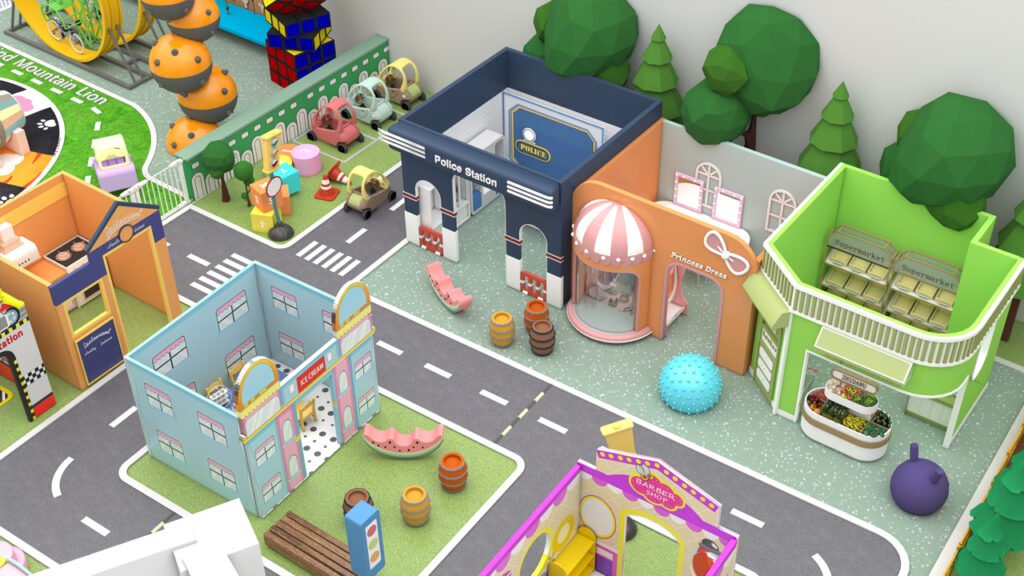
At KoalaPlay, our design library offers a diverse range of themes, each capable of transforming a mall playground into a destination. Popular choices include Castle & Princess, Ocean, Mini City, Space, Candy & Macaron, Jungle, and Animal & Farm themes. For malls seeking unique experiences, we also offer modern twists like Steam Education, Natural & Forest, Transportation, Punk, and full Commercial Playground concepts. Even specialized environments such as Daycare Playgrounds and Home & Residential Playgrounds can be adapted for retail settings.
Role Play and Experiential Zones
Beyond thematic structures, integrating role-play environments can enrich the experience. Imagine a miniature Supermarket, a fully equipped Kitchen, or a hands-on Hospital where children can explore real-world scenarios through pretend play. KoalaPlay designs also include Make-up & Beauty Salons, Car Wash & Repair Stations, Police and Fire Stations, Construction Sites, Pet Care Centers, and even Farm Experience zones — all carefully scaled and detailed for immersive, safe play.
Integrated Café and Parent Lounge Concepts
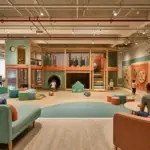
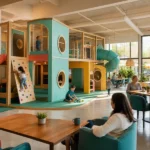
For malls aiming to combine leisure with family convenience, KoalaPlay’s Play Café concept is an excellent option. These spaces pair a Role Play Zone & Pretend Play Corner with Indoor Play Structures and a Toddler & Soft Play Area, alongside a Parent Lounge & Café Zone where caregivers can relax. Every café concept can be matched with a custom theme to maintain a cohesive design.
Choosing the Right Theme
When selecting a theme, we recommend considering:
- Local Culture & Demographics: Incorporate familiar stories, landscapes, or traditions that resonate with the community.
- Mall Identity: Align colors, materials, and visual language with the mall’s architectural style.
- Longevity: Opt for designs with timeless appeal to ensure the playground remains attractive for years.
- Custom Branding: KoalaPlay can embed your mall’s logo, mascots, or brand palette directly into the play environment.
A well-executed theme isn’t just visually impressive — it becomes part of the mall’s brand identity, making it easier to feature in advertising, social media campaigns, and promotional events.
3. Designing the Layout
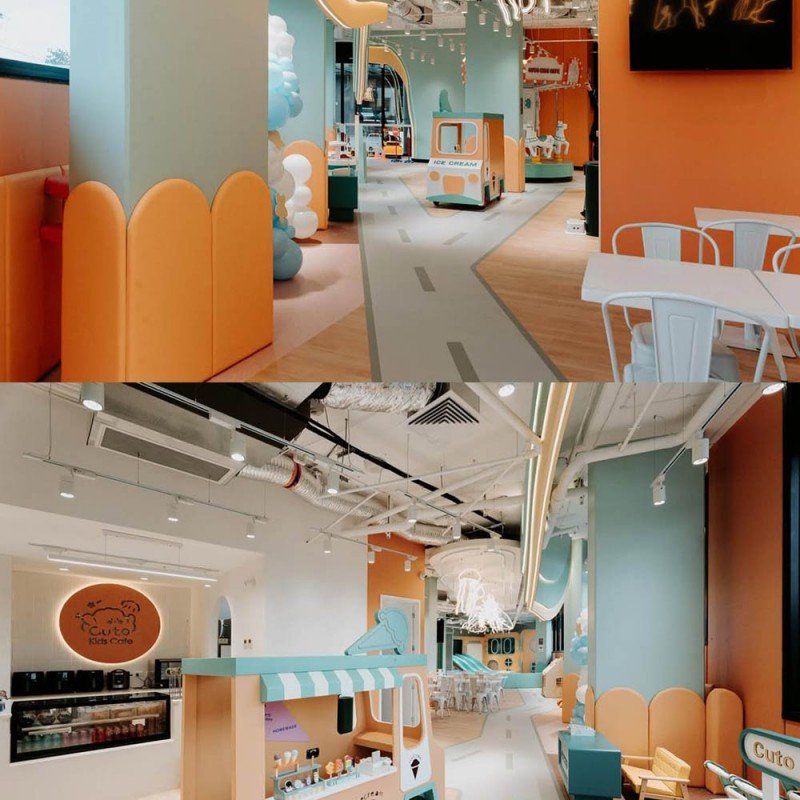
A mall playground should be organized, safe, and intuitive to navigate. The design should guide families through the space without confusion, bottlenecks, or blind spots.
Key Zones to Include
- Reception Area – If your playground is ticketed, this is where families check in, pay, and store shoes or strollers. Even for free-entry spaces, a clearly defined entrance sets the tone.
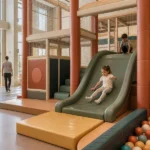
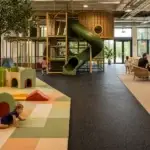
- Toddler Zone (Ages 2–4) – Low platforms, soft foam blocks, small slides, and safe sensory activities.
- Core Play Zone (Ages 5–7) – Multi-level climbing frames, tunnels, and moderate slides.
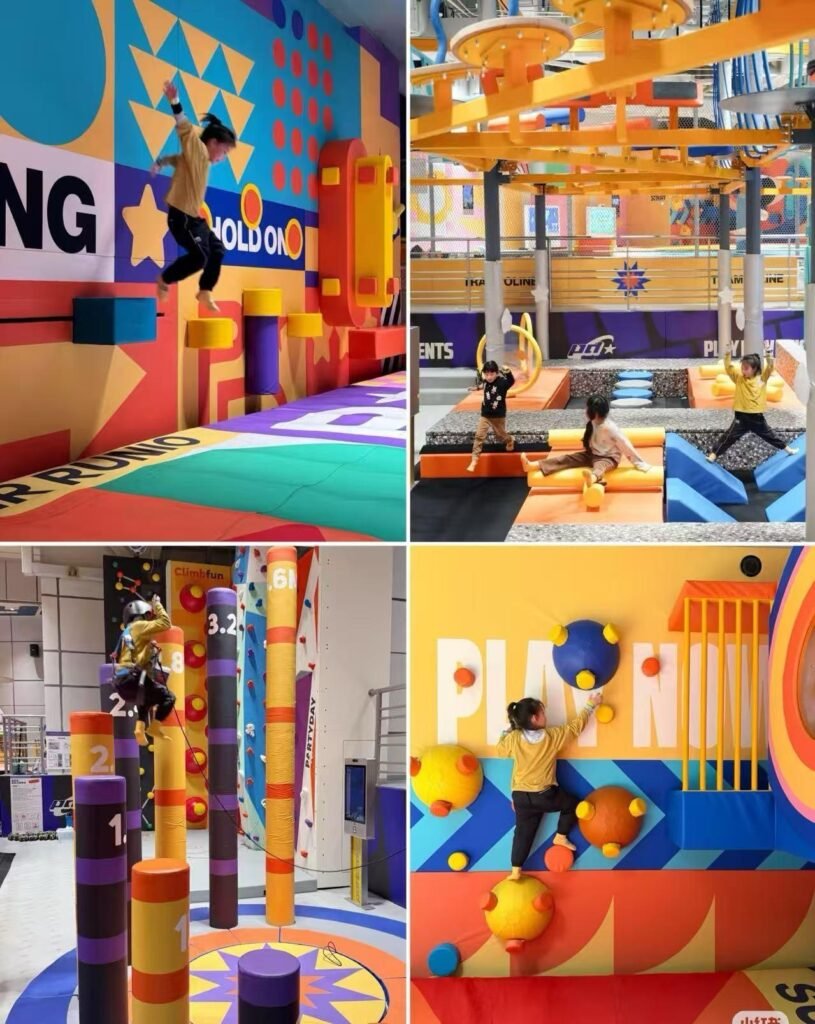
- Adventure Zone (Ages 8–12) – Rope courses, climbing walls, and ninja-style challenges.
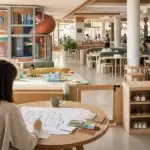
- Parent Seating Area – Comfortable chairs or benches with clear sightlines to all play areas.
- Party Rooms – Optional, but highly profitable for birthdays and events.
- Staff and Storage Space – For cleaning supplies, spare parts, and first aid.
Traffic Flow and Circulation
- Separate entry and exit points help manage congestion.
- A “parent loop” walkway around the play zones allows full visibility.
- Keep emergency exits clear and marked.
Sightline Design
Avoid tall opaque walls or long enclosed tubes. Instead, integrate transparent panels, netting, or open railings so supervision is effortless.
4. Selecting the Right Equipment
The equipment is the heart of the playground. It defines the type of play experiences offered and must balance fun, safety, and durability.
Types of Play Equipment
- Soft Play Structures: Multi-level platforms with slides, crawl tunnels, and rope bridges.
- Interactive Play Panels: Musical games, light walls, and puzzles to stimulate cognitive skills.
- Role Play Corners: Kitchens, shops, or theaters for imaginative play.
- Adventure Features: Climbing walls, net towers, and zip lines.
- Sensory Play Elements: Textured walls, sound features, and visual effects for inclusive play.
Material Quality
KoalaPlay uses:
- Powder-coated steel frames for long-lasting structure.
- High-density foam padding with anti-microbial vinyl covers.
- Shock-absorbing flooring to reduce injury risk.
- Scratch-resistant panels for high-touch surfaces.
Investing in quality materials reduces maintenance costs and ensures the playground maintains its visual appeal for years.
5. Safety and Accessibility Made Simple
While every KoalaPlay project complies with the relevant safety standards (ASTM, EN, CSA), we keep safety practical and easy to understand for clients.
Key essentials:
- Soft surfacing under all play areas.
- Guardrails and barriers on elevated platforms.
- Rounded edges and concealed bolts.
- Entry points sized for adult access in case of emergency.
- Accessible play components so children of all abilities can participate.
Safety is not just about preventing injury — it’s about building trust with parents so they feel comfortable returning again and again.
6. Budgeting and Cost Planning
Budgeting early allows you to make informed decisions about design and equipment without last-minute compromises.
Typical Cost Breakdown
- Equipment and Installation: 40–60% of total budget.
- Theming and Decoration: 10–20%.
- Flooring and Surfacing: 5–10%.
- Mechanical, Electrical, and Plumbing: 15–25%.
- Permits, Insurance, and Design Fees: 5–10%.
Cost-Saving Tips
- Use modular designs so you can expand in future phases.
- Choose versatile play equipment that serves multiple purposes.
- Seek brand partnerships to sponsor themed zones.
7. Designing for the Parent Experience
Parents are often the decision-makers for whether to visit — and whether to stay longer. A playground that considers their comfort can significantly boost dwell time.
Parent-Friendly Features
- Comfortable seating with backrests.
- Charging points for phones and laptops.
- Nearby refreshments or in-play café areas.
- Clean restrooms within a short walk.
- Signage with friendly, clear rules.
When parents feel comfortable and engaged, they are more likely to shop, dine, and recommend the playground to others.
8. Operations: Planning Beyond Opening Day
A beautiful playground is only as good as its day-to-day management.
Staffing
- At least one trained supervisor per 25–30 children.
- Staff trained in first aid and child safety.
Cleaning Schedule
- Hourly: Wipe down high-touch areas.
- Daily: Sweep, mop, or vacuum floors; sanitize ball pits.
- Weekly: Deep clean structures and check for wear.
Maintenance
- Keep spare parts for quick fixes.
- Log monthly safety inspections.
9. Marketing Your Playground
Even in a high-traffic mall, awareness drives visits.
Before Launch
- Share behind-the-scenes construction updates on social media.
- Offer preview days to VIP mall members or local parenting groups.
- Create early bird membership offers.
After Launch
- Host themed events like “Pirate Adventure Day” or “Space Explorers Week.”
- Run birthday party promotions.
- Offer loyalty cards for repeat visitors.
Marketing should be continuous — the playground is not just a one-time attraction, but a living part of the mall’s brand.
10. Why Choose KoalaPlay
KoalaPlay is not simply a supplier of playground equipment. We are a full-service partner:
- Custom designs that match your space, theme, and brand.
- End-to-end project management from concept to installation.
- Commitment to international safety standards.
- Ongoing support for maintenance, upgrades, and marketing.
Our goal is to create playgrounds that delight children, reassure parents, and deliver measurable returns for mall operators.
Conclusion
Designing a mall playground is a strategic investment in both customer experience and long-term profitability. The right combination of thoughtful layout, engaging theme, durable equipment, and smooth operations will keep families coming back and recommending your mall as a go-to destination.
If you’re ready to transform your mall into a family magnet, KoalaPlay’s experienced design team is here to guide you every step of the way — from first sketch to opening day and beyond.
References
- ASTM International. F1918 – Soft Contained Play Equipment Standard.
- EN 1176 & EN 1177 – European Standards for Playground Equipment and Surfacing.
- CSA Z614 – Canadian Standards Association Playground Standard.
- ICSC. The Impact of Family Amenities on Mall Traffic.
- KoalaPlay Project Data and Client Case Studies.


 English
 Spanish
 German