Introduction
Parents chase giggling toddlers through a world of color, while birthday cakes and coffee aromas blend in the air. The indoor playground business has never looked brighter.
- The industry is set to reach $6.89 billion in 2025, growing at a steady 6% CAGR through 2033.
- Families now seek safe, weatherproof play spaces with modern amenities and year-round fun.
- Parents crave sanitized, supervised environments, and kids want adventure rain or shine.
With trusted partners like Koala Playground, every entrepreneur can turn a dream into a thriving reality.
Key Takeaways
- The indoor playground industry is projected to grow to $6.89 billion by 2025, making it a lucrative business opportunity.
- Conduct thorough market research to understand local demographics and family needs before starting your playground.
- Analyze competitors to identify gaps in the market and find ways to differentiate your playground.
- Create a detailed business plan that includes financial projections, market analysis, and operational strategies.
- Choose a high-traffic location for your playground to attract families and ensure easy accessibility.
- Focus on safety by adhering to industry standards and regularly inspecting equipment to maintain a secure environment.
- Implement effective marketing strategies, both online and offline, to build awareness and attract customers.
- Consider eco-friendly practices in your playground design to appeal to environmentally conscious families.
Market Research & Validation
Local Demand & Demographics
A successful indoor playground business starts with understanding who lives nearby and what they want. Picture a bustling shopping mall. Parents push strollers past storefronts, searching for a safe spot where their kids can play. Smart entrepreneurs study the local population before building anything. They look at age groups, family sizes, and cultural backgrounds. Surveying families in the area reveals what parents expect from a play space. Some want toddler zones, while others ask for birthday party packages.
A table helps break down the neighborhood’s makeup:
| Demographic Group | Percentage Near Installations | City-Wide Percentage |
|---|---|---|
| Non-Hispanic Black | 47.5% | N/A |
| Non-Hispanic Asian | 8.0% | N/A |
| Non-Hispanic White | Lower than city average | N/A |
| Children Living Nearby | Reflective of city-wide age distribution | N/A |
This data shows which groups live close to potential playground sites. If the area has many young children, the playground will likely thrive. Entrepreneurs often use surveys, interviews, and focus groups to learn what families want. They ask questions about favorite play themes, snack preferences, and safety concerns. Observing foot traffic in malls also reveals busy hours and popular spots.
Competitor Analysis
Every indoor playground business faces competition. Some rivals offer jungle gyms, while others focus on themed birthday parties. Analyzing competitors helps owners spot market gaps and stand out. They use several methods:
- Conduct competitive analysis to understand strengths, weaknesses, and strategies.
- Use market research techniques to find unsaturated niches.
- Perform a SWOT analysis for each competitor to identify opportunities.
- Gather information through surveys, interviews, focus groups, and observations.
- Study online sources, reports, and statistics for deeper insights.
Entrepreneurs visit nearby playgrounds, chat with parents, and note what works. They check reviews online and compare prices. Sometimes, a competitor misses out on a popular theme or lacks a parent-friendly café. That’s a chance to shine.
Industry Trends
The indoor playground business keeps evolving. In 2025, several trends shape the market:
- Sustainability attracts families who care about the environment.
- Globalization brings new playgrounds to emerging markets.
- Interactive technology, like AR and VR, makes play more exciting.
- Health and safety innovations build trust with parents.
- Modular designs allow flexible layouts for different age groups.
Playgrounds now use eco-friendly materials and smart features. Some offer virtual adventures or educational games. Owners who follow these trends stay ahead and keep families coming back for more.
Target Audience & Niche
Every indoor playground tells a story. Some invite toddlers to tumble in soft ball pits, while others challenge older kids to race through ninja obstacle courses. The secret behind a thriving playground? Owners know exactly who they want to welcome through their doors.
Successful entrepreneurs start by painting a clear picture of their ideal guests. They ask, “Who will laugh the loudest here?” Is it energetic preschoolers, adventurous grade-schoolers, or families seeking a cozy weekend escape? By narrowing the focus, they create a playground that feels tailor-made for its visitors.
Tip: Local managers often hold the keys to the kingdom. They know the neighborhood, chat with parents, and spot trends before anyone else. Smart owners hire local talent to run surveys and gather feedback from nearby families.
Identifying a specific target audience or niche brings a treasure chest of benefits:
- Owners can design marketing campaigns that speak directly to their audience.
- Specialized services—like toddler-only zones or themed birthday parties—make families feel special.
- A focused business model builds loyalty, turning first-time visitors into regulars.
Let’s step inside PlayVille Kids Adventure Center in Austin, Texas. This playground covers 18,000 square feet and welcomes families with children ages 0–12. The founders, a young couple, dreamed of a place where kids could play safely—even on rainy days. They chose a niche: family-friendly indoor fun with soft play, role-play mini city, and adventure zones.
Here’s how PlayVille mapped out its audience and niche:
| Age Group | Main Attraction | Unique Feature |
|---|---|---|
| 0–3 years | Toddler Soft Play | Antibacterial, soft surfaces |
| 3–8 years | Role-Play Mini City | Weekly themed classes |
| 5–12 years | Adventure Zone | LED obstacle tunnel |
| Parents | Coffee Bar & Lounge | Local coffee, WiFi, clear views |
PlayVille’s business model shines with variety. They sell single tickets, monthly memberships, and birthday party packages. Themed party rooms—like “Undersea World” and “Space Adventure”—draw crowds for private events. Role-play classes and a cozy café keep families coming back.
Entrepreneurs who carve out a niche stand out in crowded markets. They listen to local parents, study children’s interests, and build playgrounds that match their community’s heartbeat. When a playground feels like home, families return again and again.
Indoor Playground Business Planning
Business Plan Essentials
Every great adventure begins with a map. For an indoor playground business, that map is the business plan. The plan guides owners through twists and turns, helping them dodge pitfalls and spot golden opportunities. A strong business plan does more than impress investors—it keeps the whole team focused and ready for action.
Here’s what every indoor playground business plan should include:
| Component | Description |
|---|---|
| Executive Summary | Summarizes the business plan, outlining the problem and proposed solutions, along with financial info. |
| Business Description | Details the services offered, operational plans, and business structure (e.g., LLC, non-profit). |
| Market Analysis | Identifies target audience, services, and competitor analysis. |
| Leadership Team | Describes team roles, responsibilities, and credentials. |
| Financial Plan | Provides an overview of finances, including budget, projected profit, and overhead costs. |
| Funding Request | Explains the amount of funding needed and its intended use. |
Tip: Owners should revisit their business plan every year. Markets change, trends shift, and new opportunities pop up. A living business plan keeps the playground fresh and competitive.
Financial Projections
A playground owner who ignores the numbers might as well build a slide with no landing. Financial projections help owners predict the future, plan for surprises, and keep the doors open. Most successful playgrounds use a five-year projection plan with Discounted Cash Flow (DCF) methodology. This model covers startup costs, revenue, and operational expenses. Owners track key performance indicators to measure success.
| Key Performance Indicator | Description |
|---|---|
| Visitor Turnout | Number of people visiting daily. |
| Average Spend Per Visitor | Total revenue divided by the number of visitors. |
| Membership Retention Rate | Percentage of members renewing subscriptions. |
| Event Booking Rate | Percentage of facility bookings for events. |
| Customer Satisfaction Score | Ratings given by visitors about their experience. |
| Occupancy Rates | Utilization rate of different areas within the facility. |
| Employee Productivity | Output per staff member measured by various metrics. |
| Net Profit Margin | Percentage of revenue that translates into profit. |
| Marketing ROI | Revenue generated for every dollar spent on marketing. |
| Churn Rate | Percentage of members or visitors discontinuing services. |
Note: Driver-based financial planning helps owners spot which activities boost profits. Tracking these indicators keeps the business on course.
Revenue Streams
A playground with only ticket sales might run out of steam. Owners who diversify income streams build resilience and attract more families. Here are popular ways indoor playground businesses make money:
- Single-entry tickets: Families pay for one-time visits.
- Monthly memberships: Regular visitors enjoy unlimited play.
- Birthday party packages: Private rooms, decorations, and party hosts.
- Role-play classes: Weekly themed activities for kids.
- Food and beverage sales: Cafés and snack bars for parents and children.
- Special events: Holiday parties, parent workshops, and seasonal festivals.
- Merchandise: Branded toys, T-shirts, and souvenirs.
PlayVille Kids Adventure Center in Austin, TX, shines as a real-world example. The founders designed a sprawling 18,000-square-foot facility with zones for toddlers, role-play mini cities, and adventure tunnels. Their business model includes ticket sales, memberships, party bookings, and a cozy coffee bar. PlayVille’s themed party rooms—like “Undersea World” and “Space Adventure”—draw crowds for private events. The center also offers weekly classes and sells snacks and drinks, turning every visit into a memorable experience.
| Revenue Stream | Description | Example Pricing |
|---|---|---|
| Single-entry Ticket | One-time play session | $15 per child |
| Monthly Membership | Unlimited visits for a month | $49 per child |
| Birthday Party | Private room, host, decorations | $350 per event |
| Role-play Classes | Weekly themed activities | $20 per class |
| Café Sales | Coffee, snacks, and light meals | $2–$8 per item |
Cost Management
A playground owner who watches every penny can build a business that lasts. Cost management means tracking expenses, finding savings, and investing in what matters most. Owners should list every cost, from rent and utilities to staff salaries and cleaning supplies. Smart owners negotiate with suppliers, choose energy-efficient equipment, and schedule regular maintenance to avoid costly repairs.
Alert: Unexpected expenses pop up like surprise guests at a birthday party. Owners should set aside a rainy-day fund to handle emergencies.
Budgeting & Funding
Building an indoor playground business takes more than dreams—it takes dollars. Owners need a realistic budget and a plan for raising funds. They estimate startup costs, monthly expenses, and future investments. A detailed budget helps owners avoid overspending and keeps the business healthy.
| Funding Source | Description |
|---|---|
| Commercial Financing | Funding from specialist financing companies for equipment, allowing for lower upfront costs. |
| Grants | Non-repayable funds from governments and organizations, often requiring a solid business idea. |
| Sponsorships | Local businesses or politicians may sponsor in exchange for advertising or exclusive rights. |
| Business Contests | Competitions where business ideas are pitched for potential funding or support. |
Owners often apply for playground grants from government agencies, seek sponsorships from local businesses, and enter business contests for extra funding. Some even win corporate grants from companies like Costco or Walmart. Every dollar counts when building a magical play space.
Tip: Owners should keep detailed records of every expense and funding source. Organized finances make tax season easier and impress potential investors.
PlayVille Kids Adventure Center started with a mix of commercial financing and local sponsorships. The founders pitched their idea at business contests and won grants for community projects. Their careful budgeting and creative funding helped them build a playground that delights families year-round.
A well-planned indoor playground business stands tall, ready for laughter, learning, and growth. Owners who master business planning, financial projections, and budgeting set the stage for lasting success.
Location & Lease
Site Selection
A great indoor playground starts with a winning location. Smart owners chase the buzz of busy places, searching for the perfect spot where laughter never stops. Shopping malls sparkle with opportunity. Families stroll past storefronts, kids tugging at sleeves, begging for playtime. The right mall location turns every passerby into a potential customer. Owners who pick high-footfall zones near anchor stores or food courts catch the eyes of parents and children alike.
They follow a checklist to find the best spot:
- Target High-Footfall Family Zones: Malls, schools, and community centers attract families ready for fun.
- Prioritize Accessibility and Parking: Easy access and plenty of parking make visits stress-free for parents.
- Understand the Local Demographics: Owners study the neighborhood, counting families with young children.
- Evaluate the Physical Conditions of the Venue: The space must fit playground equipment and meet safety standards.
- Leverage Surrounding Businesses: Nearby toy stores, ice cream shops, and cinemas boost foot traffic.
- Calculate the Lease Cost vs Revenue Potential: Owners crunch numbers, making sure the rent matches the playground’s earning power.
Tip: Owners who analyze mall demographics spot trends before competitors. They use surveys and mall data to learn which families visit most often. A playground near a popular café or toy store becomes a magnet for curious kids.
Space & Layout
Space shapes every adventure. Owners measure every inch, dreaming up slides, ball pits, and climbing walls. They sketch layouts that flow like rivers, guiding children from one zone to the next. Wide entrances welcome strollers. Cozy corners invite parents to relax. Smart layouts separate toddler areas from wild obstacle courses, keeping play safe and organized.
A well-designed playground uses every square foot. Owners plan for birthday party rooms, snack bars, and shoe cubbies. They leave space for emergency exits and cleaning stations. The best playgrounds feel open, bright, and easy to navigate. Kids race from one attraction to another, never bumping into walls or each other.
Note: Owners who work with expert designers, like those at Koala Playground, create magical spaces that fit every need. Custom layouts turn ordinary venues into unforgettable playlands.
Zoning & Lease Terms
Urban playgrounds must follow a maze of rules. Owners collect permits and study lease agreements, making sure every detail matches city codes. They check zoning laws to confirm the space allows indoor play. Renovations require building permits. Health and safety rules cover everything from snack bars to cleaning routines.
| Permit Type | Description |
|---|---|
| Business License | Needed to run any commercial playground. |
| Zoning Permit | Confirms the location is zoned for entertainment. |
| Building Permit | Required for renovations and safety upgrades. |
| Health and Safety Permits | Covers sanitation and food handling. |
| Fire Safety Permit | Ensures fire codes and safety standards are met. |
| Occupancy Permit | Verifies the venue’s capacity and safety for visitors. |
Lease terms matter just as much. Owners read every line, checking for renewal options, rent increases, and maintenance responsibilities. Flexible leases help playgrounds grow and adapt. Owners who negotiate wisely build businesses that last, ready for every giggle and birthday cheer.
Playground Design & Themes
Safety & Engagement
Children dash across padded floors, laughter echoing through the air. Every parent wants peace of mind, knowing their child plays in a safe environment. Designers must follow strict safety standards from organizations like ASTM, CPSC, and CEN. These rules cover everything from soft surfaces to fire-resistant materials. Koala Playground leads the way, using rounded corners, impact-absorbing flooring, and non-toxic finishes.
| Organization | Standard | Description |
|---|---|---|
| ASTM | F1918-22 | Safety for soft-contained play equipment |
| CPSC | Handbook | Playground safety practices |
| CEN | EN 1176 & EN 1177 | Equipment design and surfacing in Europe |
| AS/NZS | 4486.1 | Guidelines for playgrounds in Australia/NZ |
| CSA | Z614 | Safety for play spaces in Canada |
Designers check for gaps that could pinch fingers or trap heads. They space equipment apart to prevent overcrowding. Age-appropriate rules hang on the walls, reminding everyone to play smart. Staff members watch over the action, ready to help at a moment’s notice.
Tip: Impact-absorbing flooring and clear sightlines keep both kids and parents smiling.
Age Zones & Attractions
Every child seeks a different adventure. Toddlers crawl through soft tunnels, preschoolers build castles, and older kids race up climbing walls. The best indoor playgrounds split their space into age zones, each packed with attractions for specific groups.
| Age Group | Features of Play Area | Benefits |
|---|---|---|
| Toddlers | Soft play, gentle slides | Safe exploration, fewer injuries |
| Preschoolers | Interactive toys, themed activities | Social growth, creative play |
| Older Kids | Climbing nets, obstacle courses | Physical challenge, skill building |
PlayVille Kids Adventure Center in Austin, Texas, sets the gold standard. Toddlers explore a soft play zone with mini slides and ball pits. Preschoolers dive into a role-play mini city, shopping at a tiny supermarket or saving the day at a fire station. Older kids conquer the adventure zone, swinging through ninja obstacles and LED tunnels. Each area uses protective barriers and antibacterial materials, ensuring safety and fun for all.
- High-quality equipment stands up to wild play.
- Activities match each age group’s abilities.
- Inclusive design welcomes children with disabilities.
Note: Staff members in toddler zones keep a watchful eye, while older kids enjoy more independence in challenging areas.
Themed Play Areas
Imagination transforms a playground into a magical world. Themed play areas invite children to become astronauts, chefs, or jungle explorers. Koala Playground specializes in custom themes, from fantasy castles to space missions. These immersive zones attract families and encourage repeat visits.
| Benefit | Description |
|---|---|
| Attracting families | Unique themes make venues inviting for all ages |
| Encouraging return visits | Kids beg to come back for new adventures |
| Increasing return on investment | Happy families spend more and stay longer |
| Standing out from competition | Distinct themes set playgrounds apart |
PlayVille’s birthday party rooms sparkle with undersea, jungle, and space themes. Weekly role-play classes let kids become firefighters or doctors. These creative spaces foster emotional connections, turning first-time guests into loyal fans.
- Themed areas host community events and parties.
- Families build memories in immersive environments.
- Playgrounds become hubs for laughter and learning.
The Indoor Playground Business thrives when design sparks curiosity and joy. Every themed zone, age-specific attraction, and safety feature works together to create unforgettable experiences.
Customization
Every indoor playground tells a different story. Customization turns a simple play area into a wonderland that families remember long after they leave. Koala Playground stands out as a master of this craft, transforming blank spaces into magical worlds where imagination runs wild.
Owners who choose customization unlock a treasure chest of benefits. They create play zones that match their brand’s personality. No two playgrounds look the same. Some sparkle with fantasy castles, while others buzz with jungle adventures or space missions. Custom designs reflect the spirit of the business, making each playground unique and unforgettable.
- Customization creates immersive experiences that families love.
- Tailored designs showcase a brand’s identity, helping playgrounds stand out from generic options.
- Fully custom layouts blend seamlessly with architecture and branding, offering ultimate brand alignment.
PlayVille Kids Adventure Center in Austin, Texas, shows how customization brings a playground to life. The founders dreamed of a space where children could play safely, rain or shine. They worked with designers to build three themed birthday party rooms: Undersea World, Jungle, and Space Adventure. Each room bursts with color, props, and decorations. Kids dive into ocean ball pits, swing through jungle vines, and blast off in rocket tunnels. Parents snap photos as their children become explorers, astronauts, or superheroes.
The role-play mini city, “Little Austin Town,” features nine micro-scenes. Children shop in a tiny supermarket, save the day at a fire station, or whip up treats in a mini café. Weekly classes let kids dress up and act out real-life adventures. The toddler zone uses soft, antibacterial materials and closed fences, keeping little ones safe while parents relax nearby. Older kids tackle ninja obstacles and LED tunnels in the adventure zone.
Tip: Owners who customize their playgrounds can add educational elements. Role-play areas teach teamwork and problem-solving. Themed zones spark curiosity and creativity. Interactive props and classes turn playtime into learning time.
Koala Playground’s design team works closely with clients. They listen to ideas, sketch 3D plans, and build play structures that fit every need. Customization means more than picking colors. It means creating a playground that feels like home for every family.
A customized playground becomes the heart of the community. Families return for new adventures, birthday parties, and special events. The brand shines brighter, and the playground stands out in a crowded market. Customization is the secret ingredient that turns play into pure magic. 🦘✨
Equipment & Suppliers
Choosing Equipment
Every indoor playground needs equipment that sparks joy and stands up to wild play. Owners hunt for slides, climbing nets, and ball pits that promise adventure and safety. Certified equipment matters most. Products must comply with the Children’s Product Certificate (CPC), showing they meet safety and quality standards. ASTM playground standards set the gold bar for design, materials, and accessibility. Koala Playground delivers gear with CE, ASTM, and ISO certifications, so parents can relax while kids leap and tumble.
Bright colors catch the eye. Soft surfaces cushion every jump. Rounded corners keep little explorers safe. Eco-friendly materials make parents smile, knowing their children play in a healthy space. Owners choose equipment that fits their theme—space rockets, jungle vines, or mini cities. Custom designs from Koala Playground turn ordinary rooms into magical worlds.
Tip: Always match equipment to age zones. Toddlers need gentle slides and padded floors. Older kids crave climbing walls and ninja obstacles.
Supplier Vetting
Not all suppliers are created equal. Owners must vet each company like a detective on a candy heist. The best suppliers offer safety, speed, and creativity. Koala Playground stands out with custom solutions and a global reputation.
| Criteria | Description |
|---|---|
| Safety Certifications | Look for ISO 9001, ASTM F1487, and EN1176 for liability protection and compliance. |
| Production Capacity | Factories with over 20,000 m² and 100+ employees can manage complex projects efficiently. |
| Customization Capabilities | Suppliers should offer CAD planning, 3D modeling, and prototypes to meet specific needs. |
| Performance History | Choose companies with over 90% on-time delivery and 30% client reorder rates. |
Owners ask for proof of certifications. They tour factories, check production lines, and review client testimonials. Customization matters. Suppliers must turn wild ideas into real play zones. Koala Playground’s team sketches 3D models and builds prototypes, making every playground unique.
Note: A supplier with a strong track record and creative design team becomes a long-term partner, not just a vendor.
Installation & Maintenance
Building a playground is only half the battle. Installation and maintenance keep the fun rolling year after year. Certified professionals handle setup, following safety codes and manufacturer instructions. Proper spacing and surfacing prevent bumps and bruises. Owners schedule regular checks to catch loose bolts and sneaky debris.
| Best Practice | Description |
|---|---|
| Hire Certified Professionals | Trained technicians install equipment safely and securely. |
| Use Certified Equipment | Only safety-tested gear makes the cut. |
| Ensure Proper Spacing | Clear pathways and fall zones protect energetic kids. |
| Schedule Regular Maintenance | Daily checks and monthly inspections keep equipment in top shape. |
- Conduct daily checks for loose bolts and debris.
- Schedule monthly inspections for thorough equipment exams.
- Train staff to recognize signs of wear and damage.
- Keep detailed records of all inspections and repairs.
- Set up annual inspections with a professional service provider.
- Check equipment daily for minor issues.
- Conduct thorough monthly exams of hidden components.
- Train all workers to identify signs of wear.
A well-maintained playground stays safe, clean, and ready for every giggle and birthday cheer. Koala Playground supports owners with expert installation and ongoing service, so every adventure runs smoothly.
Innovative Features
Indoor playgrounds in 2025 look nothing like the ones from a decade ago. Today’s play spaces burst with creativity, technology, and eco-friendly magic. Owners chase the latest trends, eager to wow families and keep kids coming back for more.
Koala Playground leads the charge with equipment that does more than entertain. Their designs spark physical, emotional, and social growth. Children climb, crawl, and imagine new worlds, all while learning important skills. PlayVille Kids Adventure Center in Austin, Texas, shows how innovative features turn a simple playground into a community hotspot.
| Innovative Feature | Description |
|---|---|
| Holistic Development | Activities boost physical, cognitive, emotional, and social skills. |
| Modular Play Systems | Customizable layouts fit any space and grow with the business. |
| Safety and Hygiene | Easy-to-clean surfaces and antibacterial materials keep germs away. |
| Eco-friendly Equipment | Sustainable materials and nature-inspired play teach kids about the environment. |
| Customizable & Themed Areas | Unique themes and branding create immersive, memorable adventures. |
PlayVille’s toddler zone uses soft, antibacterial surfaces and closed fences. Parents sip coffee while watching their little ones tumble safely. The role-play mini city, “Little Austin Town,” features nine micro-scenes. Kids become firefighters, chefs, or bankers, using realistic props and costumes. Weekly classes like “Little Firefighter Day” add excitement and learning.
Older children race through the Adventure Zone, tackling ninja obstacles and LED tunnels. Modular play systems allow the center to rearrange attractions for special events or new challenges. Party rooms sparkle with undersea, jungle, and space themes. Families book birthday parties with custom decorations and live role-play shows.
Tip: Owners who invest in modular and themed equipment can refresh their playground every season. New layouts and adventures keep families curious and loyal.
Eco-friendly equipment stands out. Koala Playground uses non-toxic, durable materials that protect both children and the planet. Nature-inspired play elements, like wooden climbing walls or green tunnels, teach kids about sustainability while they have fun.
Safety and hygiene matter more than ever. Post-pandemic families demand clean, sanitized play spaces. Koala Playground’s easy-to-clean surfaces and smart designs make daily maintenance a breeze. Staff wipe down equipment, check for loose bolts, and keep every corner sparkling.
Customizable features let owners match their playground to their brand. No two Koala Playground projects look the same. Some sparkle with fantasy castles, others buzz with jungle vines or rocket ships. Unique themes turn every visit into a new adventure.
Innovative features transform indoor playgrounds into magical worlds. Children learn, laugh, and grow. Parents relax, knowing their kids play in safe, clean, and creative spaces. Owners who embrace these trends build playgrounds that stand out and thrive.
Legal & Permits
Business Structure
Every great playground adventure needs a sturdy foundation. Choosing the right business structure sets the stage for smooth operations and happy customers. Entrepreneurs often pick from three main options: sole proprietorship, partnership, or limited liability company (LLC). Each structure comes with its own perks and quirks.
A sole proprietorship lets one person call all the shots. It’s simple and quick to set up, but the owner takes on all the risk. Partnerships work well for duos who want to share the fun—and the responsibility. The LLC stands out as the crowd favorite for most indoor playground owners. It shields personal assets from business debts and offers flexibility in management. Many successful playgrounds, like those in bustling cities, choose the LLC route for peace of mind and easier access to funding.
Tip: Consult a local business advisor or attorney before making the final call. The right structure can save a lot of headaches down the road!
Permits & Licenses
No one wants to see their grand opening spoiled by a missing permit. The Indoor Playground Business must jump through a few hoops before welcoming the first giggling guest. City officials love paperwork, and playground owners need to collect the right documents to stay on the right side of the law.
Here’s a handy table showing the most important regulations and what they do:
| Regulation | Purpose |
|---|---|
| ASTM F1918 | Safety standards for indoor playground equipment |
| IBC 2024 | Requirements for building structure, fire systems, and emergency evacuation |
| ADA | Ensures accessibility for all users |
Owners must secure a business license from the city. Building permits come next, especially if the space needs renovations. Fire safety inspections keep everyone safe, while health permits cover snack bars and cleaning routines. The Americans with Disabilities Act (ADA) ensures every child, no matter their ability, can join the fun. Local rules may add extra steps, so a quick chat with city hall never hurts.
Note: Skipping a permit can lead to fines or even a forced closure. Always double-check requirements before opening day.
Insurance
Playgrounds burst with laughter, but accidents sometimes sneak in. Insurance acts as a superhero cape, protecting owners from unexpected trouble. Several types of insurance keep the business safe and sound:
- General Liability Insurance: Covers injuries to visitors and protects against claims.
- Commercial Property Insurance: Safeguards slides, ball pits, and the building itself.
- Product Liability Insurance: Important for playgrounds that sell snacks or toys.
- Workers’ Compensation Insurance: Required for employee injuries, from stubbed toes to sprained wrists.
- Professional Liability Insurance: Handles risks tied to services, like party planning or classes.
- Business Interruption Insurance: Keeps the business afloat if a storm or emergency forces a temporary closure.
A smart owner reviews policies every year. They work with a trusted agent to fill any gaps. With the right coverage, the playground stays open for every birthday bash and rainy-day adventure.
Callout: Insurance may not stop a spilled juice box, but it can save the day when bigger problems appear!
Compliance
Every indoor playground must play by the rules. Owners juggle a mountain of regulations, each one designed to keep children safe and parents smiling. Health and safety compliance is not just a box to check—it’s the secret ingredient behind every successful play space.
Inspectors love a good checklist. In California, a Certified Playground Safety Inspector (CPSI) must examine playgrounds built before 1993 and all new or modified playgrounds after January 1, 2008. Other states follow similar routines, sending officials to peek under slides and poke at ball pits. Owners who skip these inspections risk fines, closures, or worse—a playground with no laughter.
| Compliance Requirement | Details |
|---|---|
| Inspection by CPSI | Required in California for playgrounds installed before 1993, and for all playgrounds built or modified after January 1, 2008. |
| Compliance with Standards | Must adhere to specifications from the American Society of Testing and Materials and recommendations from the Consumer Product Safety Commission. |
| Exemptions | Playgrounds installed between 1994 and 1999 are exempt from full compliance until 15 years after installation but must meet certain modifications by January 1, 2003. |
The American Society of Testing and Materials (ASTM) and the Consumer Product Safety Commission (CPSC) set the gold standard. Their rules cover everything from the height of slides to the softness of landing mats. Owners must read these guidelines like bedtime stories, making sure every bolt and barrier matches the specs.
Tip: Smart owners keep a compliance calendar. They schedule regular inspections, update safety logs, and train staff to spot hazards before they become headlines.
PlayVille Kids Adventure Center in Austin, Texas, follows every rule to the letter. The owners chose antibacterial materials for toddler zones, installed closed fences, and posted safety signs in every corner. Weekly staff meetings include safety drills and equipment checks. Parents sip coffee, knowing their children play in a space built for safety and fun.
A compliant playground does more than avoid trouble. It builds trust with families, attracts repeat visitors, and earns glowing reviews. Owners who embrace compliance create magical worlds where adventure and safety go hand in hand. 🦘✨
Checklist for Compliance Success:
- Schedule annual inspections by certified professionals.
- Follow ASTM and CPSC standards for every piece of equipment.
- Keep detailed records of maintenance and safety checks.
- Train staff in emergency procedures and daily safety routines.
- Update safety signage and rules as regulations change.
Children deserve safe adventures. Owners who master compliance become heroes in their communities, turning every giggle into a sign of success.
Staffing & Training
Hiring Staff
A playground bursts with energy, but behind every giggle stands a team of heroes. Owners search for staff who can juggle safety, fun, and a dash of magic. The best teams blend experience with heart. They greet families with smiles and keep the play zones sparkling clean. A local manager who knows the community becomes the secret ingredient. He spots trends, remembers regulars, and solves problems before they grow. She builds trust with parents and guides staff through busy weekends.
Staff qualifications matter. The table below shows what owners look for:
| Qualification/Experience | Description |
|---|---|
| Customer Service Experience | 1 year in retail or daycare |
| Experience with Children | Prefer working with ages 2-12 |
| Certifications | First Aid, CPR, Food handling, WHMIS essential |
| Communication Skills | Strong communication and active listening |
| Time Management | Highly organized, manages time well |
| Problem-Solving Skills | Handles recurring problems quickly |
| Flexibility | Adapts to a fast-paced environment |
Most playgrounds want staff with a high school diploma or equivalent. Previous experience with children helps. Excellent customer service skills and the ability to multitask make a difference. Strong communication skills turn a busy day into a smooth one.
Tip: A local manager who understands the neighborhood can boost customer loyalty and keep daily operations running like clockwork.
Training Programs
Training transforms rookies into playground pros. Owners invest in programs that cover safety, customer service, and supervision. Staff learn emergency procedures, how to assist injured children, and the art of active supervision. They practice communication skills and problem-solving, creating a welcoming atmosphere for every guest.
Here’s how training breaks down:
| Training Area | Description |
|---|---|
| Safety Training | Safety rules, emergency procedures, first aid |
| Customer Service | Communication, problem-solving, positive guest experience |
| Active Supervision | Monitoring children, maintaining a safe environment |
| Safety Protocols | Using safety belts, helmets, daily equipment inspections |
| Equipment Familiarization | Learning all equipment, eliminating hazards |
| Supervision Techniques | Age-appropriate monitoring, conflict management |
| Ongoing Education | Regular workshops and refresher courses |
Staff attend workshops on conflict management and guest engagement. They learn to conduct daily, weekly, and monthly safety inspections. Training never stops. Owners schedule refresher courses to keep everyone sharp.
Note: Well-trained staff spot hazards before they become problems and turn every visit into a safe adventure.
Scheduling & Retention
A playground runs on rhythm. Owners build schedules that match busy afternoons and quiet mornings. They balance shifts so every zone stays supervised. Smart managers use software to track hours and avoid burnout. Flexible schedules help staff juggle school, family, and work.
Retention becomes the secret to a happy team. Owners reward loyalty with perks like free snacks, birthday parties, and recognition awards. Managers listen to staff feedback and adjust schedules when needed. Regular team meetings build camaraderie and keep everyone motivated.
- Rotate shifts to prevent fatigue.
- Offer incentives for perfect attendance.
- Celebrate milestones and birthdays.
- Provide opportunities for advancement.
A playground with a strong team feels like a second home. Staff greet families by name, remember favorite games, and keep the laughter rolling. Owners who invest in hiring, training, and retention build a business that thrives year after year.
Customer Service
Customer service turns a good playground into a legendary one. Every parent remembers the staff who greeted them with a smile or the manager who solved a problem before it grew. In indoor playgrounds, customer service means more than answering questions. It means creating magical moments for families, making every visit feel special.
Staff at PlayVille Kids Adventure Center in Austin, Texas, know this secret. They greet every child by name. Parents sip coffee while staff help toddlers climb soft steps or guide older kids through ninja obstacles. The local manager, born and raised in Austin, chats with regulars and listens to feedback. She spots trends in the neighborhood and adjusts the play schedule to match busy days.
Tip: Staff who remember birthdays or favorite games build loyalty faster than any coupon.
Customer service starts at the front desk. Staff answer questions about ticket prices, birthday party packages, and safety rules. They help parents book themed party rooms—like Undersea World or Space Adventure—and offer advice on the best time to visit. Staff keep the play zones clean and safe, checking equipment and wiping down surfaces after every session.
A table shows how PlayVille’s team delivers top-notch service:
| Service Moment | Staff Action | Family Impact |
|---|---|---|
| Greeting at Entry | Warm welcome, quick check-in | Sets a friendly tone |
| Safety Assistance | Help with rules, first aid support | Builds trust and confidence |
| Birthday Parties | Personalized hosting, decorations | Creates lasting memories |
| Feedback Collection | Surveys, suggestion box | Improves future experiences |
| Problem Solving | Quick response to issues | Prevents frustration |
Staff use simple language and clear instructions. They guide children through role-play classes, like “Little Firefighter Day,” and encourage shy kids to join group games. Parents relax in the coffee bar, knowing staff watch over every corner.
Customer service also means listening. PlayVille’s manager holds monthly meetings to gather feedback from families. She adjusts the snack menu based on parent requests and adds new role-play scenes when kids ask for fresh adventures. Staff celebrate milestones, like a child’s first climb or a parent’s birthday, with small surprises.
Note: Happy families return again and again. They tell friends about the playground with the friendliest staff in town.
Customer service transforms a playground into a community hub. Staff become heroes, parents become fans, and children leave with stories to share. Every smile, every helping hand, and every thoughtful gesture builds a business that thrives.
Marketing & Branding
Online Presence
A new Indoor Playground Business needs a digital megaphone. Social media platforms buzz with excitement as parents scroll for weekend plans. Owners post colorful photos of ball pits and themed party rooms. Videos show kids racing through ninja obstacles and parents sipping coffee in cozy lounges. Instagram and Facebook become playground showcases, drawing families from every corner of the city.
Search engines love playgrounds with strong SEO. Owners sprinkle keywords like confetti, making sure their website pops up first when parents search for rainy-day fun. Email marketing builds anticipation for grand openings. A series of playful emails lands in inboxes, inviting families to join the celebration. Each message shares sneak peeks, special offers, and countdowns to launch day.
Tip: A playground website should sparkle with easy booking, clear prices, and bright photos. Parents want answers fast.
Online Marketing Checklist:
- Post daily on social media with engaging content.
- Invest in SEO for top search results.
- Send email campaigns for events and updates.
- Create promotional videos to showcase attractions.
Offline Marketing
Offline marketing brings the playground to life in the local community. Owners hang banners in busy malls and hand out flyers at nearby schools. They partner with local coffee shops, offering discounts to parents who visit both spots. Community events become playground launchpads. Staff set up mini obstacle courses at festivals, letting kids sample the fun before stepping inside.
A local manager knows every family in the neighborhood. She chats with parents at school pick-up and listens to their wishes. Surveys reveal favorite play themes and snack preferences. PlayVille Kids Adventure Center in Austin, Texas, shines as a real-world example. The founders hired a local manager who mapped out nearby families and built buzz with school visits and mall pop-ups.
| Offline Marketing Strategy | Description |
|---|---|
| Flyers & Banners | Spread the word in high-traffic areas |
| Local Partnerships | Team up with coffee shops and stores |
| Community Events | Host mini play zones at festivals |
| Manager-Led Surveys | Gather feedback from local families |
Launch Promotions
Grand openings sparkle with launch promotions. Owners roll out special deals, turning first-time visitors into loyal fans. Families grab discounted tickets and test out monthly memberships. Birthday party packages come with bonus decorations and free role-play classes. Loyalty programs reward repeat visits with snacks and souvenirs.
PlayVille Kids Adventure Center dazzled Austin with its launch. The team offered half-price tickets for opening week and bundled memberships with free coffee for parents. Birthday party bookings soared as families discovered themed rooms and live performances. Monthly passes and loyalty cards kept kids coming back for new adventures.
- Launch promotions and membership pricing models create irresistible offers.
- Loyalty programs and monthly passes prompt repeat visits.
- Structured memberships generate recurring revenue, fueling long-term growth.
Callout: Launch promotions turn curious families into regulars. Every special offer becomes a ticket to lasting success.
Pricing & Memberships
Pricing in the indoor playground world feels like a game of hopscotch. Owners jump between ticket sales, memberships, and party packages, searching for the sweet spot that keeps families coming back. The right price turns a curious visitor into a loyal fan. The wrong price sends them running for the exit.
PlayVille Kids Adventure Center in Austin, Texas, knows this dance well. The founders, a young couple with big dreams, built a playground where every family finds a deal that fits. Their pricing menu reads like a treasure map:
| Ticket Type | Price | Who Gets It? |
|---|---|---|
| Single Entry | $18/child | Kids ages 2 and up |
| Toddler Ticket | $12/child | Kids under 2 |
| Adult Companion | $5/adult | Parents and guardians |
| Monthly Pass | $48/child | Unlimited visits |
| Birthday Party | $350–$680 | Private themed events |
Memberships at PlayVille sparkle with perks. Monthly pass holders race through the doors, skipping the ticket line. They get unlimited play, special discounts on snacks, and early access to new attractions. Some families treat the playground like a second home, popping in after school or on rainy weekends.
Tip: Memberships build loyalty faster than a ninja obstacle course. Families love feeling like VIPs.
Owners mix and match pricing to fit their audience. Some offer family bundles, where parents and kids save money together. Others create seasonal passes for summer or winter. Birthday party packages become the golden goose, with themed rooms, decorations, and live role-play shows. Parents book parties months in advance, eager to give their child a day to remember.
Membership benefits often include:
- Unlimited play sessions
- Discounts on birthday parties and classes
- Free snacks or drinks from the café
- Priority booking for special events
- Exclusive invites to members-only nights
Flexible pricing keeps the playground buzzing. Owners watch the numbers, adjusting prices for busy weekends or quiet mornings. They test new offers, like “Toddler Tuesdays” or “Family Fridays,” to fill every corner with laughter.
PlayVille’s strategy proves that smart pricing and creative memberships turn a playground into a community hub. Families return for the deals, stay for the fun, and spread the word to friends. The right price makes every adventure possible. 🎉
Safety & Operations
Safety Standards
Safety stands as the superhero of every indoor playground. Owners chase the highest standards, making sure every slide, tunnel, and ball pit passes the toughest tests. ASTM, CPSC, and EN1176 rules guide every decision. Koala Playground delivers equipment with rounded corners, soft surfaces, and fall-safe zones. Staff check for loose bolts and hidden hazards before the first child arrives.
A table shows the safety checklist at PlayVille Kids Adventure Center:
| Safety Feature | Description | Who Checks It? |
|---|---|---|
| Impact Flooring | Cushions every tumble | Maintenance Crew |
| Antibacterial Surfaces | Keeps germs away | Cleaning Team |
| Emergency Exits | Clearly marked and unlocked | Manager |
| Fenced Toddler Zone | Prevents wandering | Staff |
| Daily Inspections | Checks equipment and barriers | All Employees |
Tip: Owners post safety rules at every entrance. Parents read them while sipping coffee, kids memorize them before playtime.
Supervision & Emergencies
Supervision turns chaos into controlled fun. Staff watch every corner, ready to leap into action. At PlayVille, team members stand guard in toddler zones, guiding little ones through soft tunnels. Older kids race through ninja obstacles, while supervisors keep a sharp eye on every jump and climb.
Emergency plans hang on the wall like superhero capes. Staff know the drill for bumps, bruises, and bigger surprises. First aid kits sit within reach. Managers run monthly safety drills, teaching everyone how to handle fire alarms, lost children, or sudden storms.
Emergency Response Steps:
- Stay calm and alert staff.
- Move children to a safe area.
- Administer first aid if needed.
- Contact parents and emergency services.
- Record the incident for future review.
Note: PlayVille’s team practices “Little Firefighter Day” with kids, teaching them how to spot exits and follow safety signals. Every child becomes a hero in training.
Cleaning & Maintenance
Cleanliness keeps the playground sparkling and safe. PlayVille’s cleaning crew sweeps through every zone, wiping down slides, tunnels, and ball pits. Antibacterial sprays chase away germs. Staff vacuum soft flooring and sanitize high-touch surfaces after each play session.
A cleaning schedule hangs in the staff room:
- Morning: Wipe down all equipment, mop floors, empty trash bins.
- Afternoon: Sanitize ball pits, clean restrooms, refresh snack bar.
- Evening: Deep clean play zones, inspect for wear and tear, lock up securely.
Staff use eco-friendly products, protecting both children and the planet. Maintenance teams check for loose bolts, worn padding, and sneaky spills. Parents relax in the coffee bar, knowing every corner shines.
Callout: A clean playground builds trust. Families return for spotless slides and fresh air, leaving glowing reviews behind. 🧼✨
Playground Rules
Every indoor playground needs rules that sparkle with clarity and keep the fun rolling. Kids dash through tunnels, parents sip coffee, and staff watch every corner. Without rules, chaos sneaks in and safety slips away. PlayVille Kids Adventure Center in Austin, Texas, sets the gold standard for playground rules. Their team posts bright signs at every entrance, making sure families know what to expect.
PlayVille’s rules cover every age zone. Toddlers crawl in soft play areas, preschoolers shop in mini cities, and older kids race through ninja obstacles. Each zone has its own set of guidelines. Staff explain the rules with smiles and high-fives. Parents nod in agreement, knowing their children play in a safe space.
Here’s a peek at PlayVille’s playground rules:
| Rule Number | Playground Rule | Who Follows It |
|---|---|---|
| 1 | Wear socks at all times | Everyone |
| 2 | No outside food or drinks | Visitors |
| 3 | Use equipment for its intended purpose | Children |
| 4 | Toddlers stay in toddler zone | Ages 0–3 |
| 5 | No running in the café area | Children & Adults |
| 6 | Respect others and share toys | Everyone |
| 7 | Follow staff instructions | Everyone |
| 8 | Wash hands before play | Children |
| 9 | Birthday parties in designated rooms | Party guests |
| 10 | Report accidents or hazards immediately | Everyone |
Tip: Staff at PlayVille use playful language when explaining rules. “Superheroes always wear socks!” or “Ninja racers keep hands to themselves!” Kids listen and remember.
PlayVille’s rules change with the seasons. During flu season, handwashing signs pop up everywhere. On busy weekends, staff remind families to share equipment and wait their turn. Birthday parties get extra guidelines, like “No confetti in the ball pit!” and “Party hats stay in the party room.”
Staff run daily rule checks. They walk through each zone, watching for rule-breakers and gently guiding kids back on track. Parents appreciate the clear boundaries. Children learn respect, patience, and teamwork. The playground buzzes with laughter, not arguments.
Playground rules do more than keep order. They build trust with families and create a welcoming atmosphere. PlayVille’s success shows that clear, friendly rules help every child feel safe and every parent relax. The business thrives, birthday parties sparkle, and every visit becomes a story worth sharing. 🦘🎈
Technology & Management
Booking Systems
Booking a play session should feel as easy as sliding down a rainbow. Modern indoor playgrounds use online booking systems that sparkle with convenience. Parents tap a few buttons on their phones and reserve a spot for their kids. No more waiting in line or missing out on birthday party rooms.
PlayVille Kids Adventure Center in Austin, Texas, uses a cloud-based booking platform. Families select time slots, choose party packages, and pay securely online. The system sends instant confirmations and reminders. Staff check the dashboard for upcoming reservations and prepare themed rooms for birthday celebrations.
Key features of a top-notch booking system:
- Real-time availability updates
- Secure payment processing
- Automated email and SMS reminders
- Easy cancellation and rescheduling
- Integration with membership programs
Tip: A playground with a smooth booking system wins parents’ hearts and fills every party room with laughter.
Management Software
Running an indoor playground feels like juggling balloons during a windstorm. Owners rely on management software to keep everything afloat. These digital tools track attendance, manage staff schedules, and monitor inventory.
PlayVille’s team uses software to assign shifts, record ticket sales, and track snack bar inventory. The system generates daily reports, showing which attractions draw the biggest crowds. Managers spot trends, like a surge in ninja obstacle bookings or a spike in coffee sales during rainy afternoons.
A table shows how management software helps PlayVille shine:
| Feature | Benefit | Example Use Case |
|---|---|---|
| Staff Scheduling | Prevents understaffing | Assigns extra staff on weekends |
| Inventory Tracking | Avoids snack shortages | Orders more juice boxes before events |
| Attendance Reports | Measures popularity | Tracks busy hours for each zone |
| Financial Analytics | Boosts profitability | Adjusts pricing for memberships |
Note: Smart software turns chaos into calm. Owners see every detail at a glance and make quick decisions.
Customer Experience
Technology transforms every visit into a magical adventure. PlayVille Kids Adventure Center uses digital check-in kiosks. Kids scan their tickets and dash into themed zones. Parents relax in the WiFi lounge, sipping local coffee while watching live camera feeds of their children playing.
Staff use tablets to greet families, answer questions, and book future parties. The management system tracks birthdays, sending personalized offers for party packages. Weekly role-play classes pop up on the app, letting parents sign up with a tap.
PlayVille’s customer experience sparkles with tech magic:
- Digital check-in for speedy entry
- Live video feeds for parent peace of mind
- Personalized birthday reminders
- Mobile app for class registration
- Instant feedback surveys after each visit
Callout: Happy families leave glowing reviews. Technology makes every moment smooth, safe, and unforgettable. 🎉
Feedback Tools
Feedback tools turn every parent into a playground critic and every child into a tiny reviewer. Owners who listen to their guests build playgrounds that sparkle with joy and run smoother than a freshly waxed slide. PlayVille Kids Adventure Center in Austin, Texas, uses feedback tools like secret weapons. The local manager, born and raised in Austin, chats with parents at the coffee bar and hands out quick surveys after birthday parties. She knows the regulars by name and remembers which ninja obstacle makes kids cheer the loudest.
Modern playgrounds use a mix of digital and old-school feedback tools. Some owners set up touchscreen kiosks at the exit. Parents tap a smiley face or frown, then leave a comment about the ball pit or snack bar. Others send email surveys after each visit, asking families to rate cleanliness, safety, and staff friendliness. Managers read every response, searching for ways to improve.
A table shows popular feedback tools at PlayVille:
| Feedback Tool | How It Works | Who Uses It |
|---|---|---|
| Exit Kiosk Survey | Quick ratings on tablets | Parents & Kids |
| Email Follow-up | Survey sent after each visit | Families |
| Suggestion Box | Paper notes dropped at the café | Parents |
| Social Media Polls | Fun questions on Instagram & Facebook | Community |
| Manager Interviews | Face-to-face chats in the lounge | Local Manager |
PlayVille’s manager collects feedback from nearby families, especially those living around the mall. She asks about favorite play themes, snack choices, and birthday party experiences. The team reviews feedback every week, then tweaks the schedule, adds new role-play classes, or changes the snack menu. When parents request more seating in the coffee bar, PlayVille adds comfy chairs and free WiFi.
Tip: Owners who act on feedback turn visitors into loyal fans. Kids brag about new ninja obstacles, and parents rave about spotless restrooms.
Feedback tools also help spot problems before they grow. If a parent mentions a loose bolt on the climbing net, staff fix it before the next play session. When kids ask for more costumes in the mini city, PlayVille stocks up on firefighter hats and chef aprons.
Emoji surveys make feedback fun. Kids tap a happy face if they loved the adventure zone or a sad face if the snack bar ran out of cookies. Staff celebrate positive reviews and brainstorm ways to fix any frowns.
PlayVille’s secret sauce? The local manager listens, learns, and leads. She turns feedback into action, making every visit better than the last. Owners who use feedback tools build playgrounds that grow with their community, one giggle at a time. 🦘💬
Grand Opening Prep
Final Checks
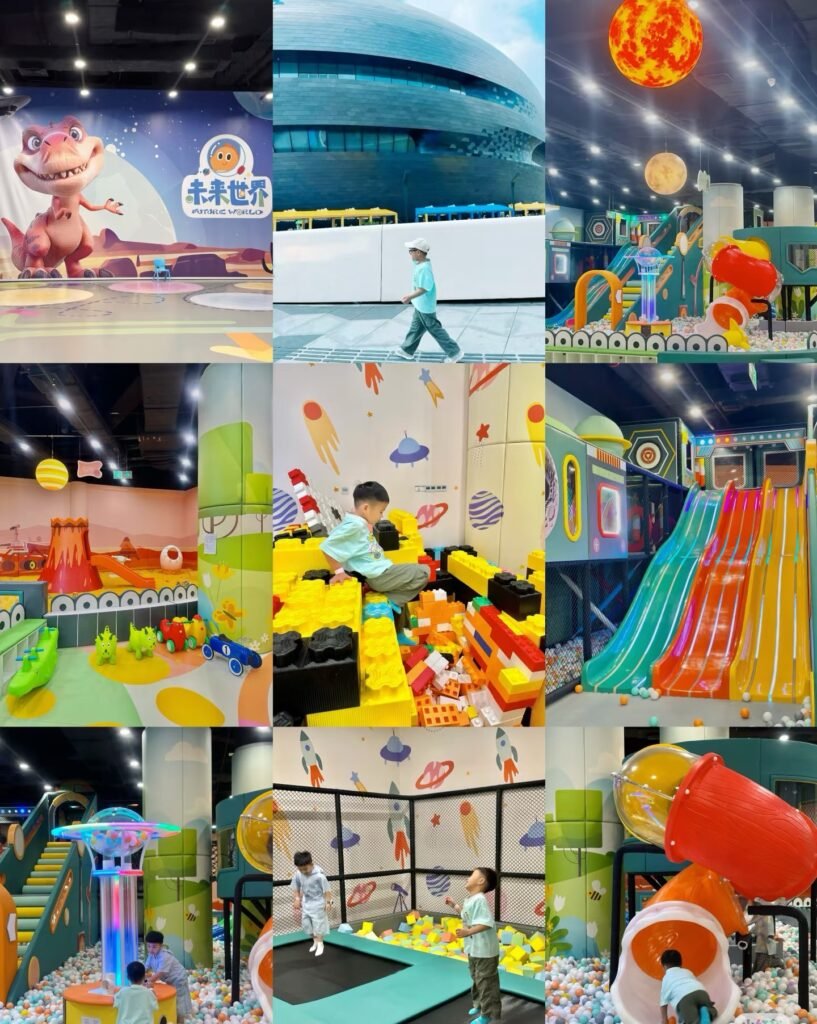
The countdown begins. The playground sparkles with fresh paint and shiny slides. Owners walk through every corner, checklist in hand, hunting for last-minute surprises. They test the booking system, flip light switches, and bounce on soft mats. Every birthday room glows with themed decorations—undersea creatures, jungle vines, and rocket ships. Staff scan for loose bolts and missing props. The cleaning crew wipes down every surface, leaving the air smelling like lemon and victory.
A table helps the team track their progress:
| Task | Who Handles It | Status |
|---|---|---|
| Safety Inspection | Manager | ✅ Complete |
| Equipment Testing | Maintenance Crew | ✅ Complete |
| Snack Bar Stock | Café Staff | ✅ Complete |
| Party Room Setup | Event Team | ✅ Complete |
| Booking System Test | IT Specialist | ✅ Complete |
Tip: Owners snap photos of every zone. These images become marketing gold for launch day posts.
Staff Readiness
The team gathers in the coffee bar, buzzing with excitement. Each staff member wears a crisp uniform and a superhero smile. The local manager, born and raised in Austin, leads a pep talk. She quizzes the crew on safety drills, birthday party routines, and ninja obstacle rules. Staff practice greeting families, guiding toddlers, and handling emergencies. They race through role-play scenarios, pretending to host parties and solve problems.
A quick checklist keeps everyone sharp:
- Review safety procedures and first aid kits
- Practice check-in and ticketing
- Run through birthday party hosting scripts
- Test walkie-talkies for instant communication
- Assign zones for supervision
Staff high-five each other, ready to welcome the first wave of giggles and cheers. The manager hands out “PlayVille Hero” badges, promising a reward for every five-star review.
Callout: Well-trained staff turn chaos into celebration. Every smile becomes a memory.
Marketing Blitz
The city wakes up to a playground revolution. PlayVille Kids Adventure Center launches a marketing blitz that grabs attention from every corner of Austin. The local manager leads the charge, armed with flyers, banners, and a megawatt grin. She visits nearby schools, chats with parents at coffee shops, and hands out golden tickets for free play sessions.
Social media explodes with photos of ball pits and birthday rooms. The PlayVille team posts countdowns, sneak peeks, and behind-the-scenes videos. Local influencers share stories of their kids conquering the ninja obstacle course. The website glows with easy booking and special launch offers.
A table shows PlayVille’s launch strategies:
| Strategy | Action | Result |
|---|---|---|
| School Partnerships | Free passes for students | Packed opening day |
| Mall Pop-Ups | Mini play zones in busy areas | High foot traffic |
| Social Media Campaigns | Daily posts and contests | Viral buzz |
| Local Coffee Collab | Discounts for café visitors | Parent loyalty |
| Grand Opening Event | Live role-play shows and giveaways | Media coverage |
The grand opening feels like a festival. Families line up for discounted tickets, birthday party bookings soar, and the coffee bar buzzes with laughter. PlayVille’s marketing blitz turns a quiet mall corner into Austin’s hottest family destination.
🎉 Alert: A local manager knows every parent in the neighborhood. Her energy and connections make the launch unforgettable.
Customer Feedback
The grand opening at PlayVille Kids Adventure Center in Austin, Texas, felt like a festival. Parents snapped photos, toddlers tumbled in the ball pit, and older kids raced through the LED tunnel. The owners, a young couple with big dreams, knew that every giggle and every frown held a secret to future success. They treated customer feedback like treasure maps, searching for clues to make every visit better.
PlayVille’s manager, born and raised in Austin, became the playground’s chief listener. She chatted with parents in the coffee bar, handed out emoji surveys at the exit, and watched which ninja obstacle made kids cheer the loudest. The team used a mix of digital and old-school feedback tools to capture every opinion.
Popular Feedback Tools at PlayVille:
| Tool | How It Works | Who Uses It |
|---|---|---|
| Emoji Exit Survey | Kids tap happy or sad faces | Children |
| Parent Interviews | Manager chats in the lounge | Parents |
| Email Follow-up | Survey sent after each visit | Families |
| Suggestion Box | Paper notes dropped at the café | Parents |
| Social Media Polls | Fun questions on Instagram & Facebook | Community |
The manager collected feedback from families living near the mall. She asked about favorite play themes, snack choices, and birthday party experiences. When parents requested more seating in the coffee bar, PlayVille added comfy chairs and free WiFi. Kids wanted more costumes in the mini city, so the team stocked up on firefighter hats and chef aprons.
Tip: Owners who act on feedback turn visitors into loyal fans. Kids brag about new ninja obstacles, and parents rave about spotless restrooms.
During the grand opening week, PlayVille’s team celebrated every five-star review. Staff handed out “PlayVille Hero” badges to children who shared helpful ideas. The manager read every comment, then tweaked the schedule, added new role-play classes, or changed the snack menu. When a parent mentioned a loose bolt on the climbing net, the maintenance crew fixed it before the next play session.
Customer feedback shaped PlayVille’s future. The playground became a community hub, buzzing with laughter and new adventures. The owners learned that listening to families built trust, improved safety, and inspired creative upgrades. Every suggestion became a stepping stone to success.
🎈 Callout: Feedback is the secret ingredient in every thriving playground. Owners who listen, learn, and act create magical spaces where families return again and again.
Ongoing Operations
Daily Management
Every morning, PlayVille Kids Adventure Center in Austin, Texas, wakes up before the sun. Staff sweep through the 18,000-square-foot playground, checking every slide, ball pit, and ninja obstacle. The local manager, born and raised in Austin, leads the team with a clipboard and a coffee in hand. She assigns zones, reviews the booking dashboard, and greets the first families at the door.
A typical day at PlayVille looks like this:
- Safety Checks: Staff inspect soft play areas, tighten bolts, and sanitize surfaces.
- Zone Assignments: Each team member watches over a specific age group—toddlers in the soft play, preschoolers in Little Austin Town, older kids in the Adventure Zone.
- Snack Bar Prep: The café crew brews local coffee and stocks up on snacks.
- Party Room Setup: Event staff decorate birthday rooms with undersea, jungle, or space themes.
- Class Coordination: Instructors prepare props for role-play classes like “Little Firefighter Day.”
Tip: A local manager who knows the community can spot busy hours and adjust staffing on the fly.
A table shows PlayVille’s daily management checklist:
| Task | Responsible Staff | Time |
|---|---|---|
| Safety Inspection | Maintenance Crew | 8:00 AM |
| Zone Supervision | Play Supervisors | All day |
| Snack Bar Setup | Café Team | 9:00 AM |
| Party Room Decor | Event Staff | Before event |
| Class Prep | Instructors | 10:00 AM |
Customer Service
PlayVille’s staff turn every visit into a celebration. They greet families with high-fives and superhero smiles. The front desk team answers questions about tickets, memberships, and party packages. Play supervisors help toddlers climb soft steps and guide older kids through ninja obstacles.
Parents relax in the WiFi lounge, sipping coffee while staff keep an eye on every corner. The local manager chats with regulars, remembers birthdays, and listens to feedback. She solves problems before they grow, making every guest feel like a VIP.
Callout: Staff who remember favorite games and celebrate milestones build loyalty faster than any coupon.
Feedback & Improvement
PlayVille treats feedback like gold. The manager hands out emoji surveys at the exit and chats with parents in the coffee bar. Kids tap happy faces if they loved the adventure zone or suggest new costumes for the mini city. Staff read every comment, then tweak schedules, add new role-play classes, or change the snack menu.
A list of feedback tools at PlayVille:
- Emoji exit surveys for kids
- Parent interviews in the lounge
- Email follow-ups after each visit
- Suggestion box at the café
- Social media polls for the community
Staff celebrate five-star reviews and fix problems before the next play session. When parents ask for more seating, PlayVille adds comfy chairs. Kids want more firefighter hats, so the team stocks up. Every suggestion becomes a stepping stone to a better playground.
Note: Owners who listen, learn, and act create magical spaces where families return again and again.
Adaptation
PlayVille Kids Adventure Center in Austin, Texas, never stands still. The playground dances with change, always ready for new trends and fresh ideas. The owners, a young couple with big dreams, know that families want more than slides and ball pits. They want surprises, comfort, and a place that feels like home.
Every month, PlayVille’s local manager grabs her clipboard and heads into the neighborhood. She chats with parents at school pick-up, sips coffee with regulars, and hands out quick surveys. These conversations reveal what families crave—new role-play costumes, extra seating in the café, or a ninja obstacle that glows in the dark. The manager listens, learns, and brings these ideas back to the team.
Adaptation at PlayVille looks like a game of musical chairs. Staff rearrange play zones for busy weekends. They add new props to the mini city when kids ask for firefighter hats or chef aprons. The coffee bar teams up with local roasters, serving fresh brews that parents love. Birthday party rooms sparkle with new decorations every season—undersea creatures in summer, jungle vines in fall, rocket ships for winter birthdays.
A table shows how PlayVille adapts to keep families smiling:
| Change Trigger | Adaptation Action | Result |
|---|---|---|
| Parent Feedback | Add more café seating | Longer parent visits |
| Kid Requests | Stock new costumes in mini city | Higher class attendance |
| Seasonal Trends | Update party room themes | More birthday bookings |
| Local Partnerships | Feature new snacks in café | Increased snack sales |
| Busy Hours | Adjust staff schedules | Smoother operations |
PlayVille’s business model flexes with the times. The playground offers single tickets, monthly memberships, and party packages. When families ask for more flexible options, the owners introduce “Toddler Tuesdays” and “Family Fridays.” These special deals fill the playground with laughter, even on rainy days.
Tip: A local manager who knows the community can spot trends before anyone else. She turns feedback into action, making every visit better than the last.
Adaptation keeps PlayVille profitable. The playground listens to families, watches market trends, and tries new ideas. Staff celebrate every five-star review and fix problems before they grow. The owners believe that change brings growth, and every giggle is a sign of success.
PlayVille’s story shows that indoor playgrounds must adapt to thrive. They must listen, learn, and leap into action. Families return for the surprises, stay for the comfort, and spread the word to friends. Adaptation turns a playground into a community treasure. 🦘🎉
Scaling & Sustainability
Growth Metrics
A playground never grows by accident. Owners track every giggle, every ticket sale, and every birthday party to measure success. PlayVille Kids Adventure Center in Austin, Texas, sets the standard for smart tracking. The founders watch their numbers like hawks, always searching for new ways to boost business.
Here’s how PlayVille keeps score:
| Metric | Description |
|---|---|
| Customer Satisfaction | Bi-annual surveys reveal a whopping 92% of regulars leave with smiles. |
| Membership Retention | Annual reviews help align perks with family needs and expansion plans. |
| Revenue Growth | Monthly checks show a steady 5-10% climb, beating industry averages. |
| Safety Incident Rates | Staff monitor every tumble and scrape, keeping the playground safe for all. |
| Operational Efficiency | Quarterly assessments track how well the team uses space and maintains equipment. |
Tip: Owners who track these metrics spot trends before anyone else. They know when to add new attractions or tweak membership perks.
New Attractions
Kids crave fresh adventures. PlayVille’s founders know this secret. Every season, they roll out new obstacles, costumes, and party themes. The Adventure Zone glows with LED tunnels and ninja challenges. The mini city buzzes with new role-play scenes—one week, kids become firefighters; the next, they run a mini café.
A list of PlayVille’s crowd-pleasers:
- LED obstacle tunnels for daring racers
- Weekly role-play classes like “Little Firefighter Day”
- Themed birthday rooms: Undersea World, Jungle, Space Adventure
- Seasonal decorations and costumes for every holiday
Families return for the surprises. Parents snap photos of their kids dressed as astronauts or jungle explorers. The playground never feels stale. Staff listen to feedback, then add new props or rearrange play zones. Every visit brings something new.
Callout: New attractions keep the playground buzzing. Kids beg to come back, and parents spread the word.
Franchising
Success loves company. PlayVille’s founders dream big. They see their Indoor Playground Business as more than a single location. Franchising opens doors to new cities and fresh crowds. The PlayVille model—soft play for toddlers, role-play mini city, adventure zones, and a cozy coffee bar—fits malls and family centers everywhere.
Franchising steps:
- Standardize the magic: Document every play zone, safety rule, and birthday party script.
- Train new managers: Local leaders know their neighborhoods best.
- Share the brand: Themed rooms, costumes, and coffee bars create a familiar experience.
- Support growth: Central teams help with marketing, equipment, and staff training.
PlayVille’s story inspires other owners. They see how a local manager can build community, how themed attractions boost revenue, and how smart tracking leads to expansion. Franchising turns a single playground into a network of laughter and learning.
Note: Franchising brings the PlayVille experience to new families, spreading joy across the map.
Eco-Friendly Practices
Green is the new gold in the world of indoor playgrounds. Owners who embrace eco-friendly practices not only help the planet but also win the hearts of modern families. Kids may not notice the recycled steel in the climbing nets, but parents sure do. Sustainability has become a badge of honor, and playgrounds like PlayVille Kids Adventure Center in Austin, Texas, wear it proudly.
Koala Playground leads the charge with a toolkit of green solutions. Their designers swap out ordinary materials for recyclable and renewable options. Aluminum, steel, and responsibly sourced wood form the backbone of every play structure. Soft play surfaces get an upgrade with organic cotton and recycled polyester, making every tumble a little kinder to the earth.
A table of eco-friendly upgrades every playground can use:
| Practice | Benefit |
|---|---|
| Recycled steel & aluminum | Cuts emissions by up to 75% |
| FSC certified wood | Supports responsible forestry |
| Low-VOC, water-based paints | Improves indoor air quality |
| Sustainable fabrics | Reduces waste and pollution |
| LED lighting & natural daylight | Slashes energy bills |
| Green Seal cleaning products | Keeps play zones safe and toxin-free |
PlayVille’s cleaning crew swaps harsh chemicals for Green Seal-certified products. The air smells fresh, not fake lemon. LED lights brighten every corner, while big windows let in Texas sunshine. Recycling bins and compost stations stand ready for snack time leftovers and coffee cups. Even the party rooms get a green makeover, with reusable decorations and compostable plates.
Tip: Owners who seek LEED certification show families they mean business when it comes to sustainability.
Koala Playground’s team partners with suppliers who share their green vision. They minimize waste during manufacturing and ship equipment in recyclable packaging. Every detail, from the paint on the walls to the foam in the ball pit, gets a sustainability check.
A quick list of eco-friendly moves for any playground:
- Use recycled and renewable building materials.
- Choose non-toxic, water-based paints and finishes.
- Install energy-efficient lighting and maximize natural light.
- Set up recycling and composting stations.
- Select sustainable fabrics for soft play areas.
- Clean with eco-friendly products.
- Source wood from FSC-certified forests.
Sustainability is more than a trend—it’s a promise to future generations. Playgrounds that go green attract eco-conscious families, save money on utilities, and build a reputation for responsibility. Koala Playground proves that fun and sustainability can go hand in hand, one recycled slide at a time. 🌱
Launching an indoor playground takes vision, planning, and a dash of local magic. PlayVille Kids Adventure Center in Austin, Texas, proves that smart site selection, community surveys, and a local manager can turn dreams into profits. Owners who focus on safety, creative themes, and friendly staff build spaces where families return again and again. Koala Playground stands ready to help with expert design and custom equipment. Ready to start your own adventure? Contact Koala Playground for resources and a free consultation! 🚀
FAQ
How much space does an indoor playground need?
Most successful playgrounds start with at least 5,000 square feet. PlayVille Kids Adventure Center in Austin, Texas, uses 18,000 square feet for toddler zones, adventure areas, and party rooms. Bigger spaces mean more attractions and happy families!
What makes PlayVille Kids Adventure Center profitable?
PlayVille thrives with ticket sales, memberships, birthday parties, and a coffee bar. Birthday events bring the highest profits. The local manager tracks trends, listens to families, and adapts quickly. Every new attraction sparks repeat visits.
Why hire a local manager for site selection and marketing?
A local manager knows the neighborhood inside out. She chats with parents, scouts busy spots, and builds trust. PlayVille’s manager in Austin turned school visits and mall pop-ups into packed opening days and loyal customers.
What age groups does PlayVille serve?
PlayVille welcomes families with children ages 0–12. Toddlers crawl in soft play, preschoolers explore a mini city, and older kids conquer ninja obstacles. Parents relax in the coffee bar, watching every adventure unfold.
How do themed party rooms boost revenue?
Themed party rooms—like Undersea World, Jungle, and Space Adventure—make birthdays unforgettable. Families book months in advance. PlayVille offers decorations, live role-play shows, and custom packages, turning every party into a profit powerhouse.
What safety features keep kids protected?
PlayVille uses antibacterial surfaces, closed fences for toddlers, and impact flooring. Staff run daily safety checks. Emergency exits stay clear. Parents sip coffee, knowing their children play in a secure, supervised space.
How does PlayVille gather customer feedback?
PlayVille’s manager hands out emoji surveys, chats with parents, and reads suggestion box notes. Staff celebrate five-star reviews and fix problems fast. Feedback shapes new attractions, snack menus, and party themes.
Can indoor playgrounds go green?
Absolutely! PlayVille uses recycled steel, FSC-certified wood, and eco-friendly cleaning products. LED lights and natural daylight slash energy bills. Families love playgrounds that care for the planet as much as their kids.