
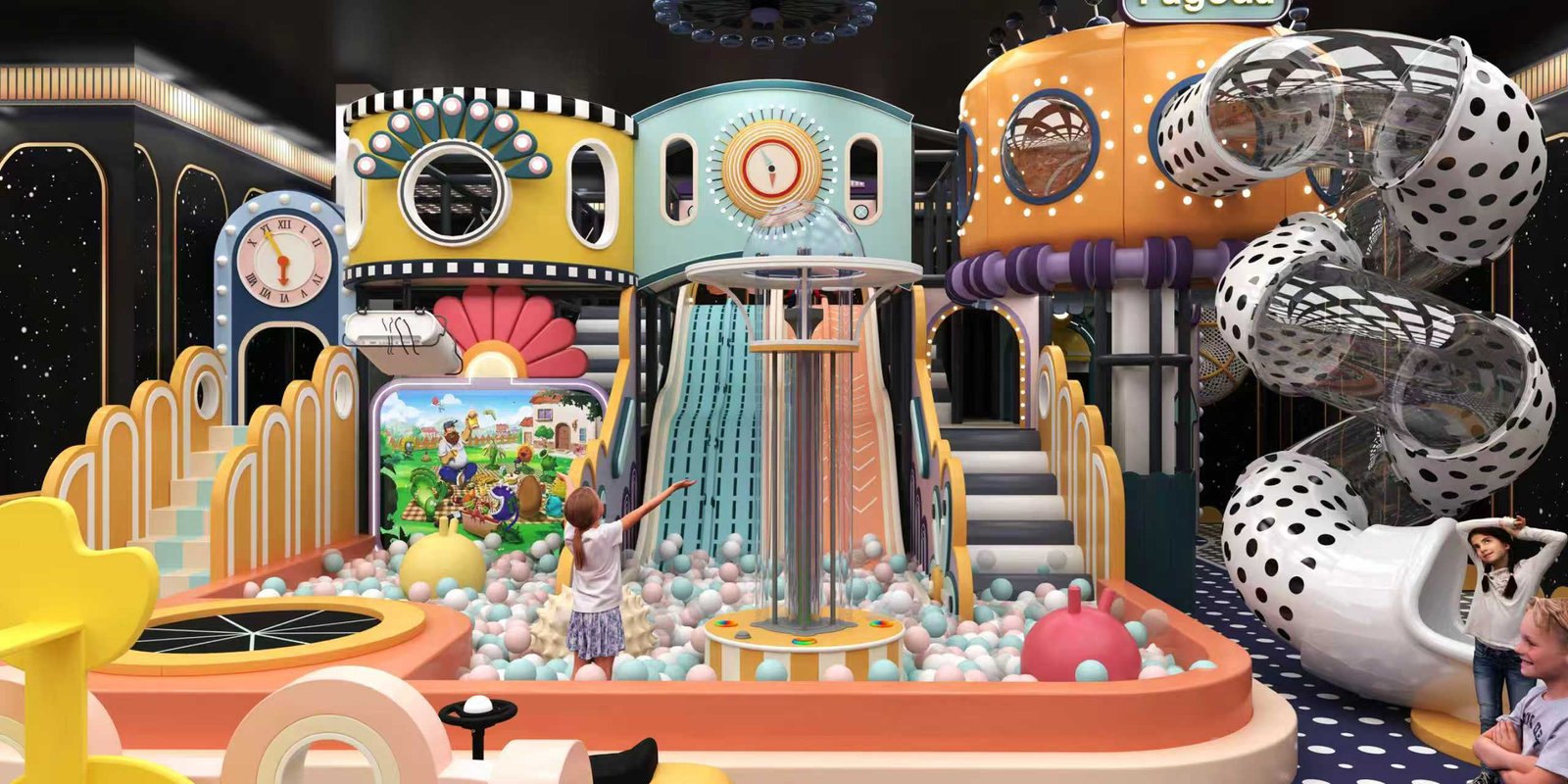
How to Open a Kids Play Cafe in Canada
Your complete guide to launching a profitable indoor playground business. From site selection to equipment planning, discover everything Canadian entrepreneurs need to know.
Why Open a Play Cafe in Canada?
The Canadian market offers unique advantages for indoor playground businesses
Weather-Driven Demand
Canada's long winters create year-round demand for indoor family activities. Parents actively seek safe, engaging spaces for their children during cold months.
Growing Family Population
Major Canadian cities see steady population growth, with young families prioritizing quality time together. The market for premium play experiences continues to expand.
Strong Revenue Potential
Play cafes combine multiple revenue streams: admission fees, party bookings, cafe sales, and memberships. Well-run locations often achieve profitability within 18-24 months.
Community-Centered Business
Play cafes become neighborhood hubs where families connect. This creates loyal customers and word-of-mouth growth that sustains long-term success.
What Is a Kids Play Cafe?
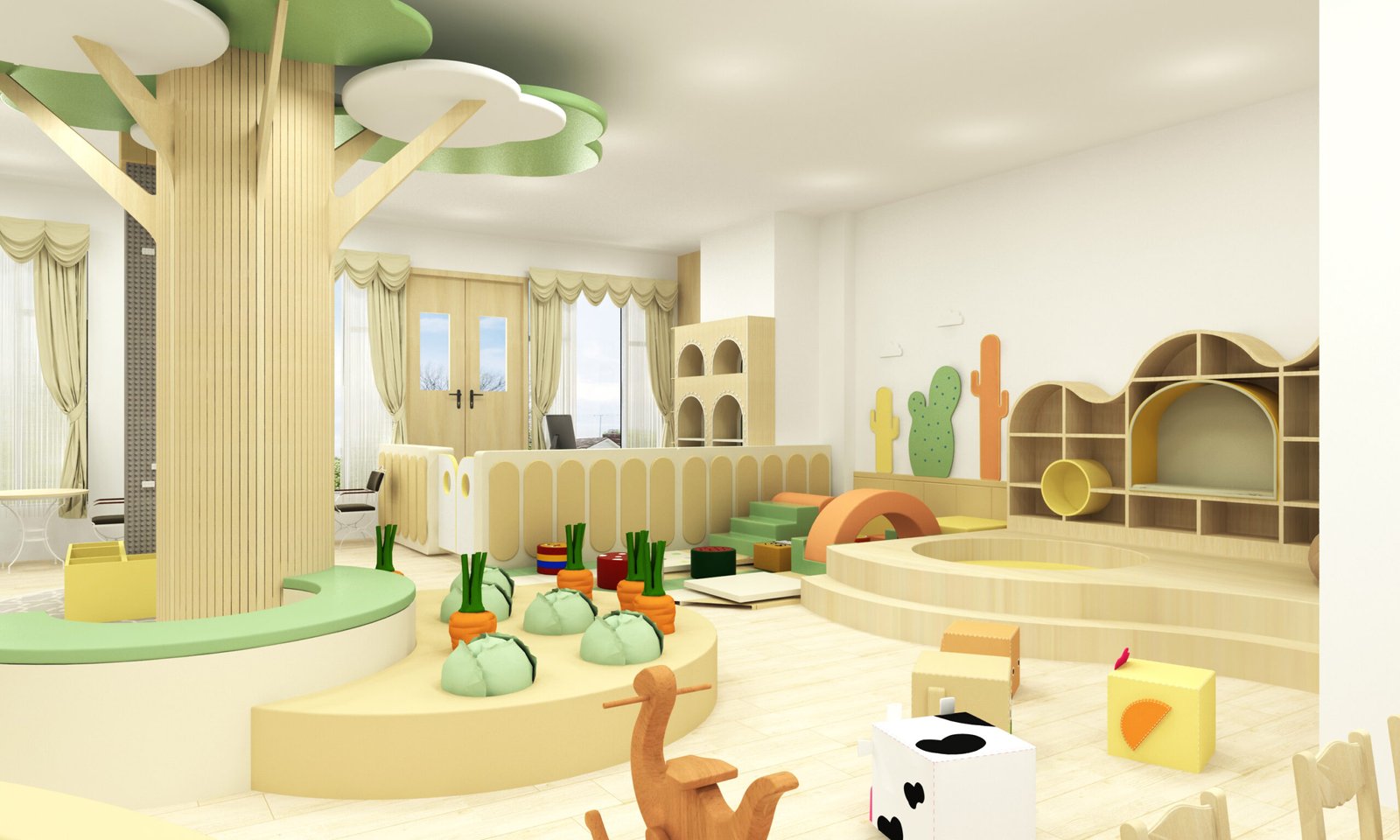
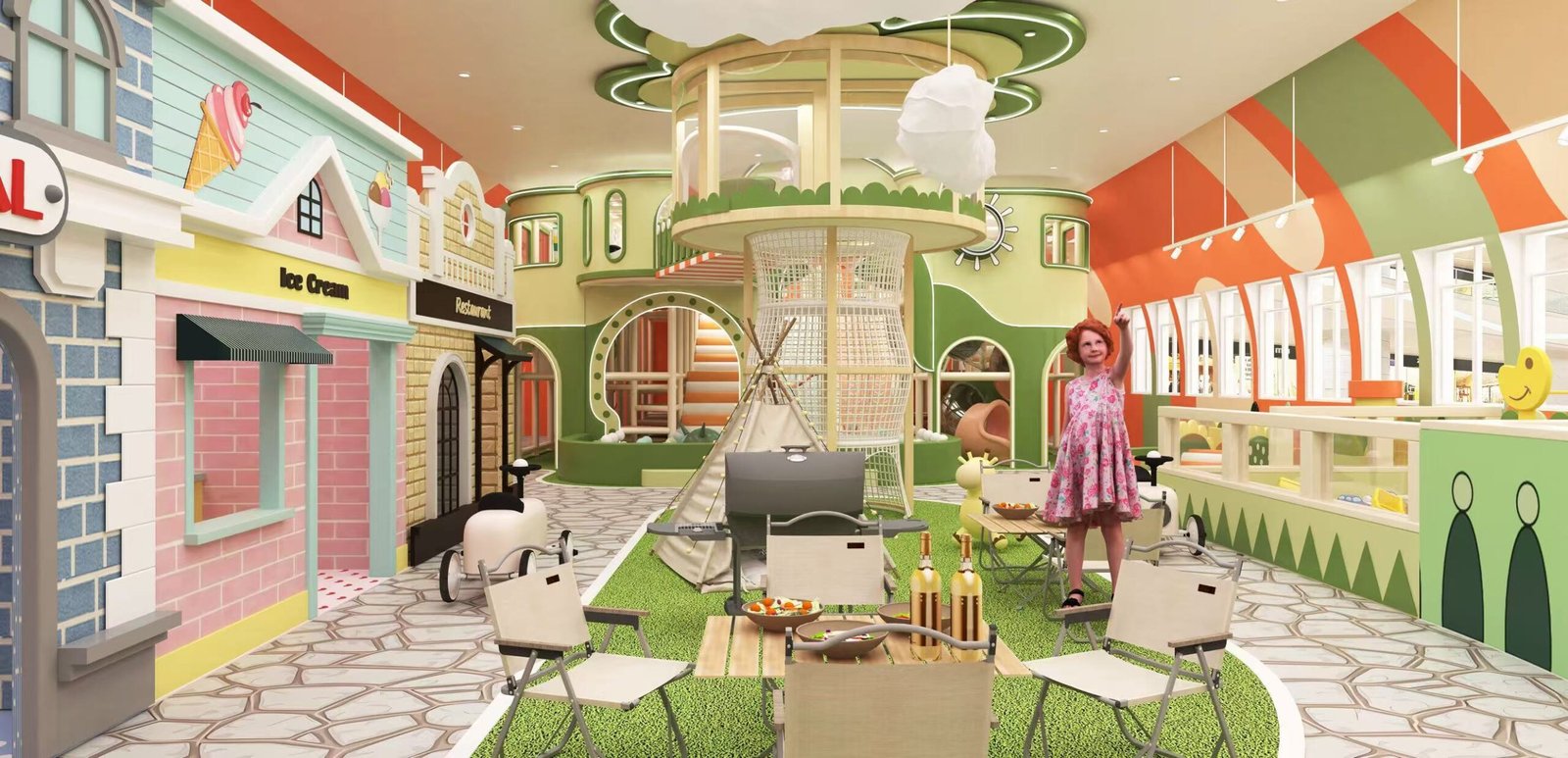
A kids play cafe combines supervised indoor play equipment with a comfortable cafe environment for parents. Unlike traditional playgrounds, these spaces offer climate-controlled, safe environments where children play while parents relax, work, or socialize.
The business model works because it solves a real problem: parents need engaging activities for young children that don't require constant supervision. Play cafes provide exactly that, along with quality time for adults.
- Dedicated toddler zones with age-appropriate equipment
- Climbing structures, slides, and ball pits
- Comfortable parent seating areas with clear sightlines
- In-house cafe serving quality food and beverages
- Private party rooms for birthdays and events
- Soft play areas meeting Canadian safety standards
2-3x
Revenue vs Traditional Play Areas
Key Steps to Open Your Play Cafe
A proven roadmap from concept to grand opening
Market Research & Business Planning
Analyze your local market, identify competitors, and understand your target demographics. Create a detailed business plan covering startup costs, revenue projections, and operational requirements.
- Study existing play cafes in your target area
- Survey local parents about pricing and preferences
- Calculate realistic startup and operating budgets
- Choose your business structure (corporation, partnership)
Site Selection & Lease Negotiation
Location determines success. Look for high-visibility spaces near family-dense neighborhoods, with adequate parking and accessibility. Aim for 3,000-8,000 square feet depending on your concept.
- Prioritize ground-floor retail spaces
- Verify zoning permits commercial entertainment use
- Negotiate favorable lease terms (5+ years)
- Consider ceiling height for play structures
Design & Layout Planning
Work with experienced designers to create an efficient floor plan that maximizes play area while including comfortable parent zones, cafe space, and party rooms.
- Separate toddler and older children areas
- Plan clear sightlines for supervision
- Include adequate storage and staff areas
- Design for smooth traffic flow
Equipment Selection & Installation
Choose CE/ASTM certified equipment from reputable manufacturers. Quality equipment reduces maintenance costs and ensures child safety, which is non-negotiable in Canada.
- Select age-appropriate structures
- Ensure equipment meets Canadian safety standards
- Plan for professional installation
- Include soft flooring throughout play areas
Licensing, Insurance & Safety Compliance
Navigate municipal permits, health department approvals, and insurance requirements. Each province has specific regulations for child-focused businesses.
- Obtain business license and permits
- Secure comprehensive liability insurance
- Complete health and safety inspections
- Establish cleaning and maintenance protocols
Hiring, Training & Launch
Build a reliable team, develop operating procedures, and plan your grand opening. Staff training should emphasize safety, customer service, and emergency protocols.
- Hire staff with childcare or hospitality experience
- Develop comprehensive training programs
- Create membership and booking systems
- Plan marketing for your launch
Play Cafe Startup Costs in Canada
Realistic budget ranges for a 4,000-6,000 sq ft play cafe in a major Canadian city. View detailed equipment costs
| Category | Estimated Range (CAD) |
|---|---|
| Play Equipment | $80,000 - $200,000 |
| Leasehold Improvements | $50,000 - $150,000 |
| Cafe Equipment | $20,000 - $50,000 |
| Furniture & Fixtures | $15,000 - $40,000 |
| Initial Inventory | $5,000 - $15,000 |
| Permits & Licensing | $3,000 - $10,000 |
| Marketing & Launch | $10,000 - $25,000 |
| Working Capital | $30,000 - $60,000 |
| Total Estimated Investment | $213,000 - $550,000 |
Note: These figures are estimates based on typical projects. Actual costs vary based on location, equipment choices, and build-out requirements. Request a personalized consultation for accurate budgeting.
Safety & Insurance Considerations
Canadian families expect high safety standards. Meeting these expectations isn't just about compliance—it's fundamental to building trust and a sustainable business.
Work with equipment suppliers who understand Canadian requirements and can provide proper certifications.
Pro Tip: Many successful operators schedule monthly third-party safety audits in their first year. This builds confidence and catches issues early.
Equipment Standards
All play equipment must meet ASTM F1487 (US) or CSA Z614 (Canadian) standards. CE certification is accepted for imported equipment.
Health Inspections
Your local health unit will inspect food preparation areas. Establish rigorous cleaning protocols for play equipment.
Liability Insurance
Expect premiums of $5,000-$15,000 annually for comprehensive coverage. Work with brokers experienced in entertainment venues.
Staff Training
Staff should have first aid certification. Develop clear emergency procedures and incident reporting systems.
Common Mistakes to Avoid
Learn from others who have walked this path before you. Read our business launch guide
Underestimating Startup Costs
Many first-time owners budget only for equipment, forgetting leasehold improvements, permits, insurance, and working capital. Plan for 20-30% more than your initial estimate.
Poor Location Selection
A low-rent space in a low-traffic area rarely works. Play cafes depend on visibility and convenience. Pay more for the right location—it determines your success.
Ignoring the Parent Experience
Children don't pay the bills—parents do. If your cafe area is an afterthought with bad coffee and uncomfortable seating, families won't return.
Skimping on Equipment Quality
Cheap equipment breaks, requires constant maintenance, and may not meet safety standards. Quality equipment from certified manufacturers costs more upfront but saves money long-term.
Neglecting Marketing Pre-Launch
Build anticipation before you open. Start social media, collect email signups, and create buzz 3-6 months before launch. A quiet opening often means a struggling first year.
Inadequate Staffing Plans
Play cafes require more staff than many expect, especially during peak hours. Plan for adequate supervision, cafe service, and cleaning—simultaneously.
Koalaplay Supports Your Project
Starting a play cafe involves many moving parts. We've helped hundreds of entrepreneurs turn their ideas into successful family entertainment centers.
Our role is simple: provide the expertise and equipment you need, without the pressure. We succeed when you succeed.
Custom Design Services
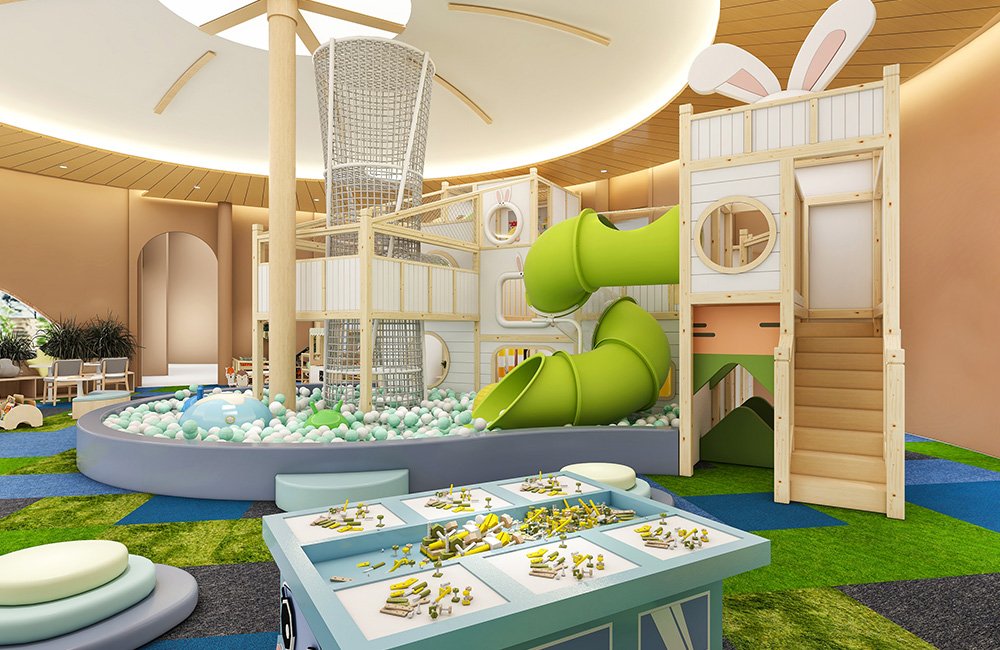
Our design team creates layouts optimized for your space, traffic flow, and target age groups. We provide 3D renderings so you can visualize your play cafe before committing to construction.
View Design ProcessEquipment Planning & Supply
We manufacture CE/ASTM certified play equipment including soft play, ball pits, climbing structures, and role-play areas. Each project is customized to your concept and budget.
Browse Play Cafe EquipmentProject Guidance
From initial concept to grand opening, we provide guidance based on 15+ years of experience with 500+ projects worldwide. We understand what works in different markets, including Canada.
Our Support & WarrantyFrequently Asked Questions
Answers to common questions from Canadian entrepreneurs. Have more questions? Contact us
Ready to Start Your Play Cafe Journey?
Get a free consultation with our team. We'll discuss your concept, answer your questions, and help you understand what's involved—no pressure.
500+
Projects Completed
15+
Years Experience
50+
Countries Served
Explore More Resources
 English
 Spanish
 German