
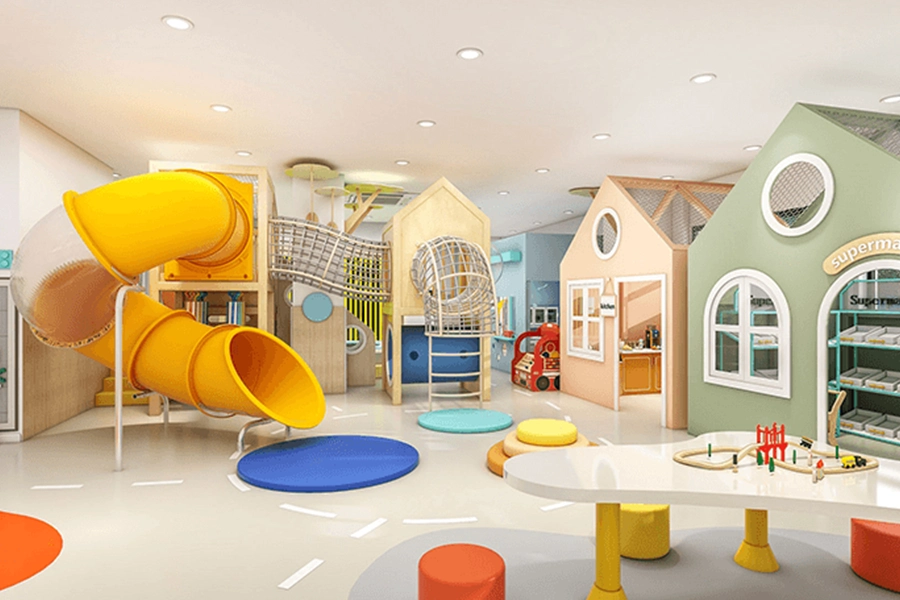
Starting an indoor playground business can be an attractive opportunity for entrepreneurs looking to enter the family entertainment or children’s services industry. Demand for safe, weather-independent play spaces has grown steadily in recent years, particularly in urban areas and family-oriented communities. However, while the concept may appear straightforward, operating a profitable indoor playground requires careful planning, realistic financial expectations, and a strong understanding of operational risks.
This guide provides a comprehensive, practical overview of how to start an indoor playground business, focusing not only on the steps involved but also on the key decisions that determine long-term success.
1. Is an Indoor Playground Business Right for You?
Before considering costs, locations, or equipment, it is essential to evaluate whether this business model aligns with your goals, resources, and risk tolerance.
An indoor playground business is best suited for individuals or teams who are comfortable with customer-facing operations, recurring staff management, and weekend-heavy schedules. While the industry can be rewarding, it is not passive. Daily oversight, safety supervision, and consistent marketing are required to maintain attendance and customer satisfaction.
This business may not be ideal for investors seeking short-term returns or minimal involvement. Profitability often depends on steady foot traffic, community engagement, and operational discipline rather than rapid scaling. Understanding these realities early helps prevent unrealistic expectations and financial strain.
2. Indoor Playground Market Overview
The indoor playground market is closely tied to demographics, urban density, and local lifestyle habits. In many regions, dual-income households and apartment living have increased demand for structured indoor play environments. Shopping malls, mixed-use developments, and suburban retail centers are common locations.
Market conditions vary significantly by region. In large cities, competition can be intense, but customer volume is often higher. In smaller cities or suburban areas, fewer competitors may exist, but pricing sensitivity is typically higher. Operators must balance rent costs, local income levels, and population density when evaluating market viability.
Understanding your local market—rather than relying on global trends—is critical. A well-researched feasibility assessment can reveal whether demand is sufficient to support sustainable operations.
3. How Much Does It Cost to Start an Indoor Playground Business?
Startup costs are one of the most searched aspects of this business model, and for good reason. Initial investment can vary widely depending on location, size, and design complexity.
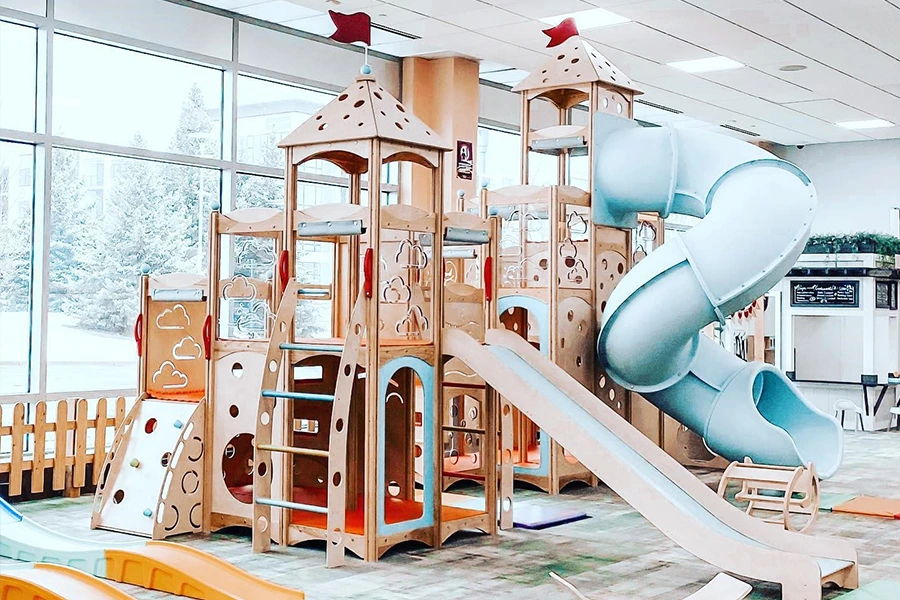
Major cost categories typically include:
- Facility rental and deposit: Larger spaces with high ceilings are often required, which can increase rent.
- Interior renovation and flooring: Safety flooring, wall padding, and layout customization are essential.
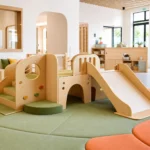
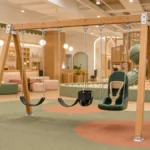
- Playground equipment: Soft play structures, climbing systems, slides, and interactive features represent a significant portion of the budget.
- Licensing, insurance, and inspections: Compliance costs vary by country and municipality.
- Staffing and training: Even small facilities require trained supervisors and front-desk staff.
- Pre-opening marketing and signage: Visibility is crucial during launch.
In addition to visible expenses, operators should budget for working capital to cover several months of operating costs before reaching break-even. Underestimating this buffer is a common cause of early failure.
4. Step-by-Step Guide to Starting an Indoor Playground
The process of launching an indoor playground can be broken down into several structured phases.
First, define your business model. Some playgrounds focus on general admission, while others prioritize birthday parties, memberships, or educational play. This decision influences space design, pricing, and staffing.
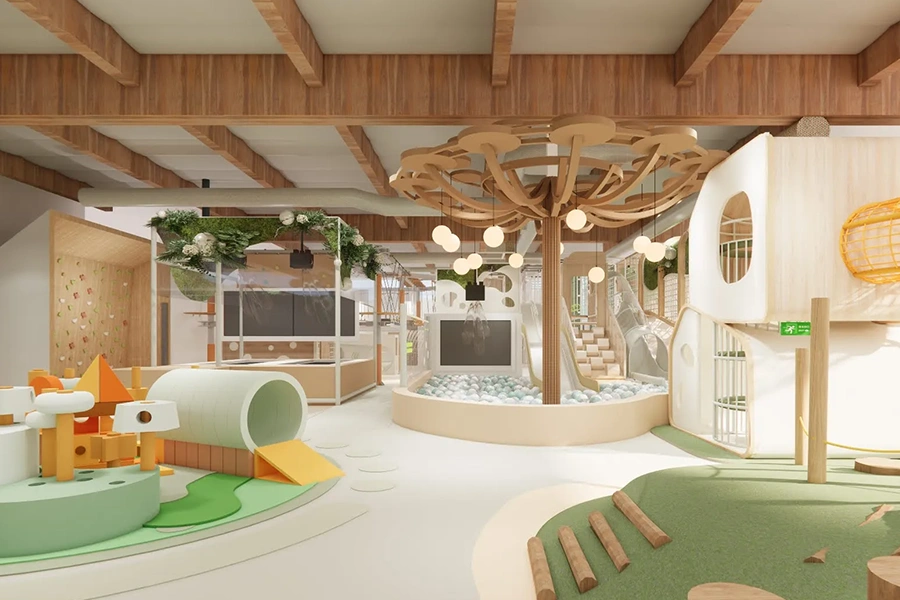
Next, secure a suitable location. Ceiling height, load-bearing capacity, parking access, and zoning approvals must all be evaluated before signing a lease.
Once the location is confirmed, equipment selection and layout design follow. This stage should be approached carefully, as changes later can be costly. After installation, safety inspections, staff training, and trial operations help ensure a smooth opening.
5. Choosing the Right Indoor Playground Equipment
Equipment selection is one of the most critical decisions in this business. The quality, durability, and safety compliance of playground structures directly affect customer trust and operating costs.
Operators typically choose between modular standard equipment and custom-designed installations. Standard equipment offers faster delivery and lower upfront costs, while custom designs allow differentiation and better space utilization.
Safety certifications and material standards should never be compromised. Equipment should comply with relevant standards such as ASTM, EN, or ISO, depending on the target market. Long-term maintenance requirements, spare parts availability, and manufacturer support are also important considerations when evaluating suppliers.
6. Safety Standards, Licensing, and Insurance
Safety is central to the indoor playground business. Parents choose facilities they trust, and regulatory authorities closely monitor compliance.
Licensing requirements vary by jurisdiction but often include business registration, fire safety approval, and health inspections. In many regions, regular third-party safety audits are mandatory.
Insurance coverage typically includes general liability, property insurance, and worker protection. While insurance increases operating costs, it also protects the business from financial exposure related to accidents or disputes. Clear safety procedures and staff training reduce risk and reinforce professionalism.
7. How Indoor Playgrounds Make Money
Revenue streams in an indoor playground business extend beyond basic admission fees. Successful operators diversify income to stabilize cash flow.
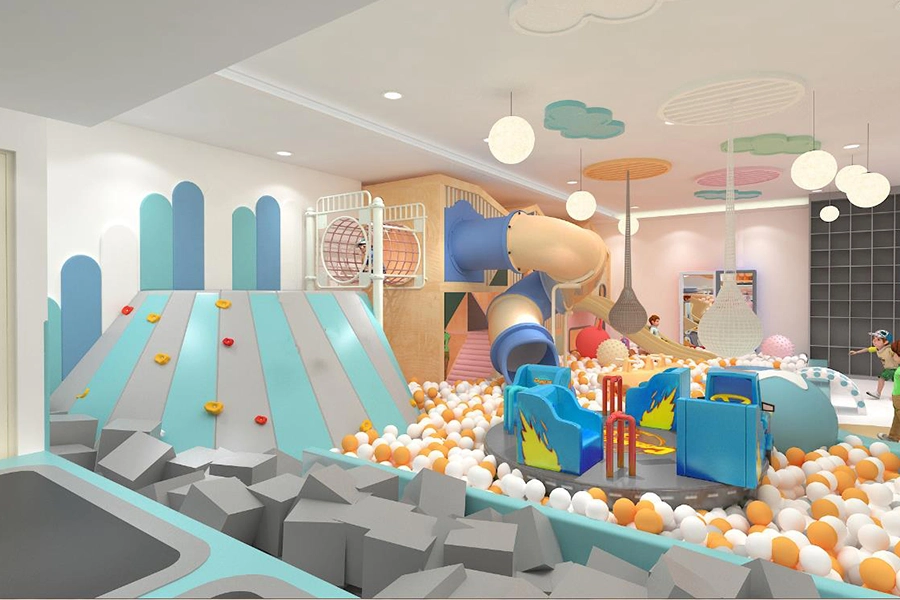
Common revenue sources include hourly tickets, monthly or annual memberships, birthday party packages, private events, and food or beverage sales. Some playgrounds also offer educational workshops or partner with schools and community groups.
A balanced revenue structure reduces dependence on peak seasons and helps maintain profitability throughout the year.
8. Profit Margin and ROI Analysis
Profit margins in this industry vary widely and are influenced by rent, labor efficiency, and pricing strategy. Well-managed facilities often achieve moderate but stable returns, with break-even periods ranging from 18 to 36 months.
Return on investment improves when space utilization is optimized, staff scheduling is efficient, and marketing efforts consistently drive repeat visits. Operators should monitor key metrics such as revenue per square meter and customer acquisition cost to maintain financial discipline.
9. Common Mistakes to Avoid
Many indoor playgrounds fail not because of low demand, but due to avoidable mistakes. Choosing an oversized location, underestimating operating costs, or prioritizing low-cost equipment over quality can create long-term challenges.
Another frequent issue is neglecting ongoing marketing. Even popular playgrounds must continuously engage families through promotions, partnerships, and community presence to maintain traffic.
Learning from these common pitfalls can significantly improve the chances of long-term success.
10. Frequently Asked Questions About Starting an Indoor Playground Business
Do I need a license to operate an indoor playground?
Yes, most regions require business registration, safety approval, and insurance.
How large should an indoor playground be?
Size depends on the target market, but many successful facilities operate between 300 and 1,000 square meters.
Is an indoor playground profitable in small cities?
It can be, provided rent is controlled and the business model is adapted to local income levels.
How long does it take to open after planning begins?
From planning to opening, the process typically takes three to six months.
Final Thoughts: Is It Worth the Investment?
Starting an indoor playground business is neither a guaranteed success nor an overly complex venture. It sits between retail, entertainment, and service operations, requiring both strategic planning and hands-on management. Entrepreneurs who approach the business with realistic expectations, strong market research, and a focus on safety and quality are far more likely to achieve sustainable results.
With careful preparation and disciplined execution, an indoor playground can become a stable, community-focused business with long-term potential.






 English
 Spanish
 German