
Are you planning to open an indoor playground (or an indoor play café) to make a profit—but already feeling overwhelmed by the terms?
This happens fast. You know what you want: a safe toddler zone, a role play corner, a climbing feature, better parent sightlines, and a layout that flows. But when you start searching suppliers, comparing quotes, or reading equipment lists, everything is written in industry language. You can’t find the right items, you can’t describe your needs clearly, and it becomes hard to compare “apples to apples.”
This guide fixes that. It’s a visual, easy-to-understand glossary of indoor playground names, definitions, and must-know zones—so you can search better, specify faster, and make smarter decisions.
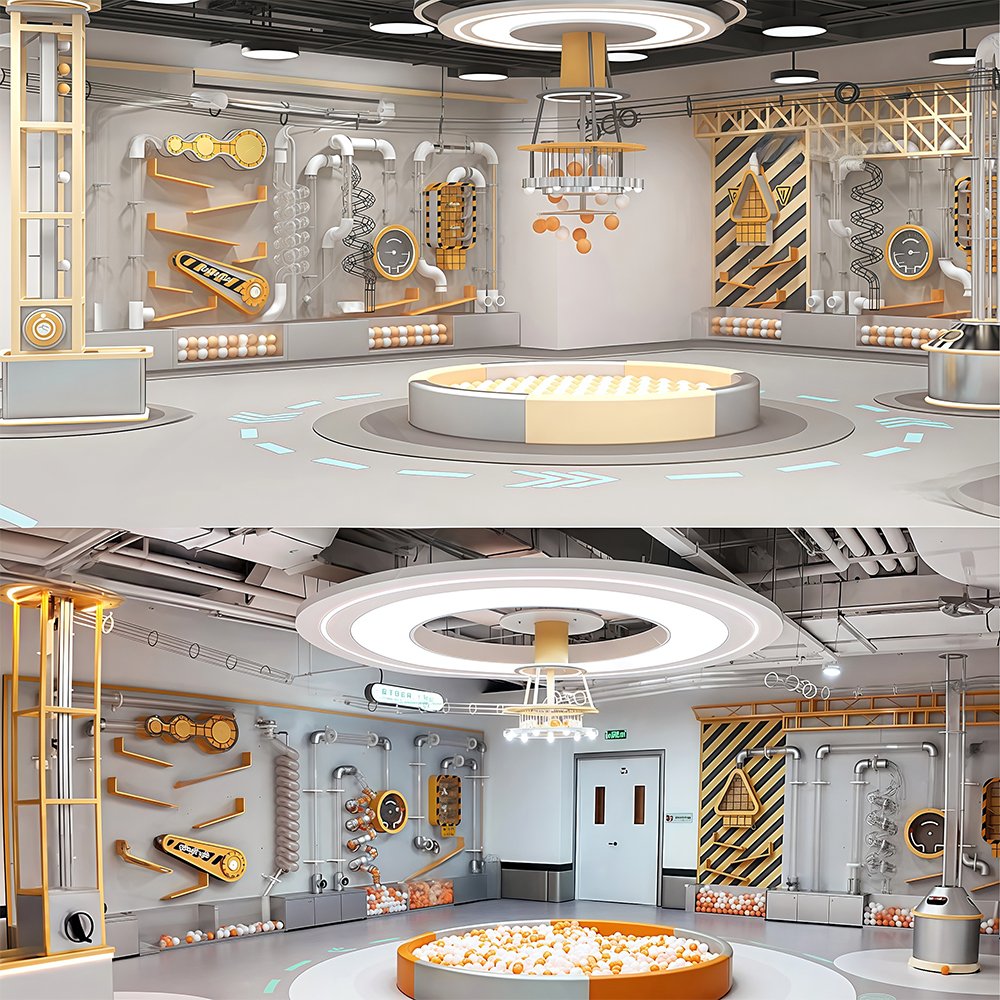
Indoor Play Centre (Indoor Play Center)
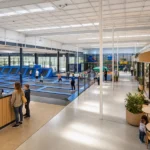
An indoor play centre is a dedicated indoor venue where children play using purpose-built equipment such as climbing frames, slides, tunnels, and soft play. Some centres focus on open play, while others add parties, classes, or café service.
Why it matters: people search “children’s indoor play centre” when they want a safe, weather-proof destination. For owners, this term signals the overall business type and helps shape your zoning, capacity, and staffing plan.
Common formats include standalone venues, shopping mall indoor playgrounds, and indoor play cafés.
Indoor Play Café (Play Café)
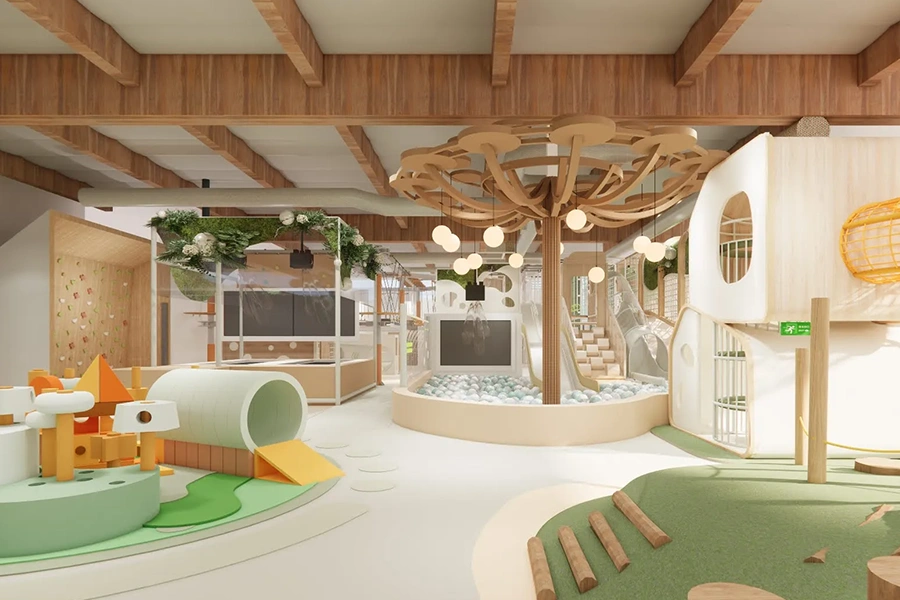
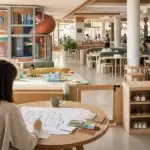
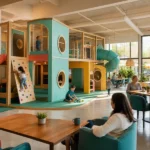
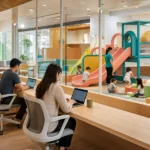
An indoor play café combines a children’s play space with a coffee/food seating area for caregivers. The play zone is usually designed for sightlines—parents can sit and still see the play areas clearly.
Why it matters: “indoor play cafe” searches often come from parents looking for a calmer alternative to large high-energy centres. For operators, this model rewards a layout that reduces bottlenecks, keeps toddlers protected, and makes cleaning fast.
Typical features include toddler-first zones, pretend play corners, sensory play elements, and seating placed around the play area perimeter.
Indoor Play Structures (Indoor Playground Structures)
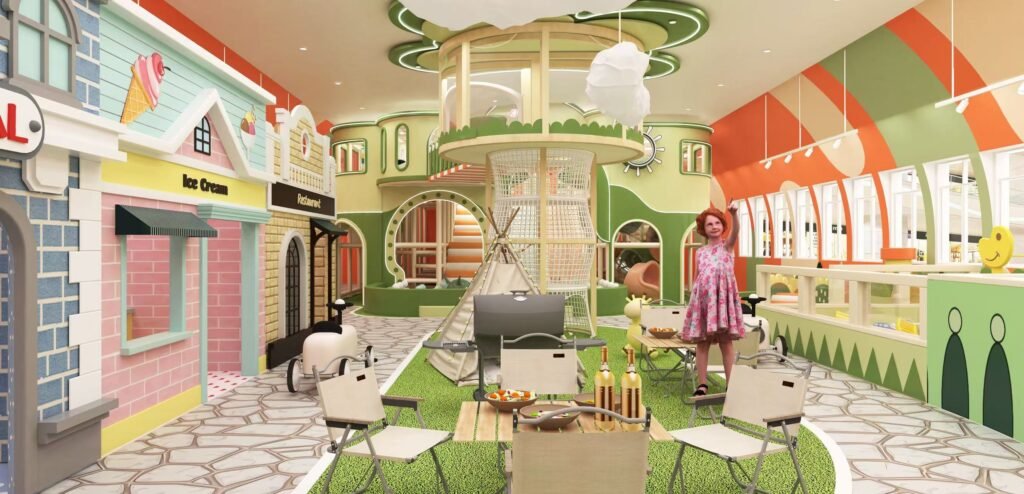
Indoor play structures are the main “built system” of the playground—connected elements like platforms, tunnels, stairs, net bridges, and slides that form the core play route.
Why it matters: this is where most of your capacity and “play value” lives. Good indoor play structures support multiple skill levels, encourage movement flow, and reduce collision hotspots.
Common variations include multi-level modular frames, themed structures (castle, jungle, space), and compact structures designed for smaller sites.
Play Structure (Core Structure)
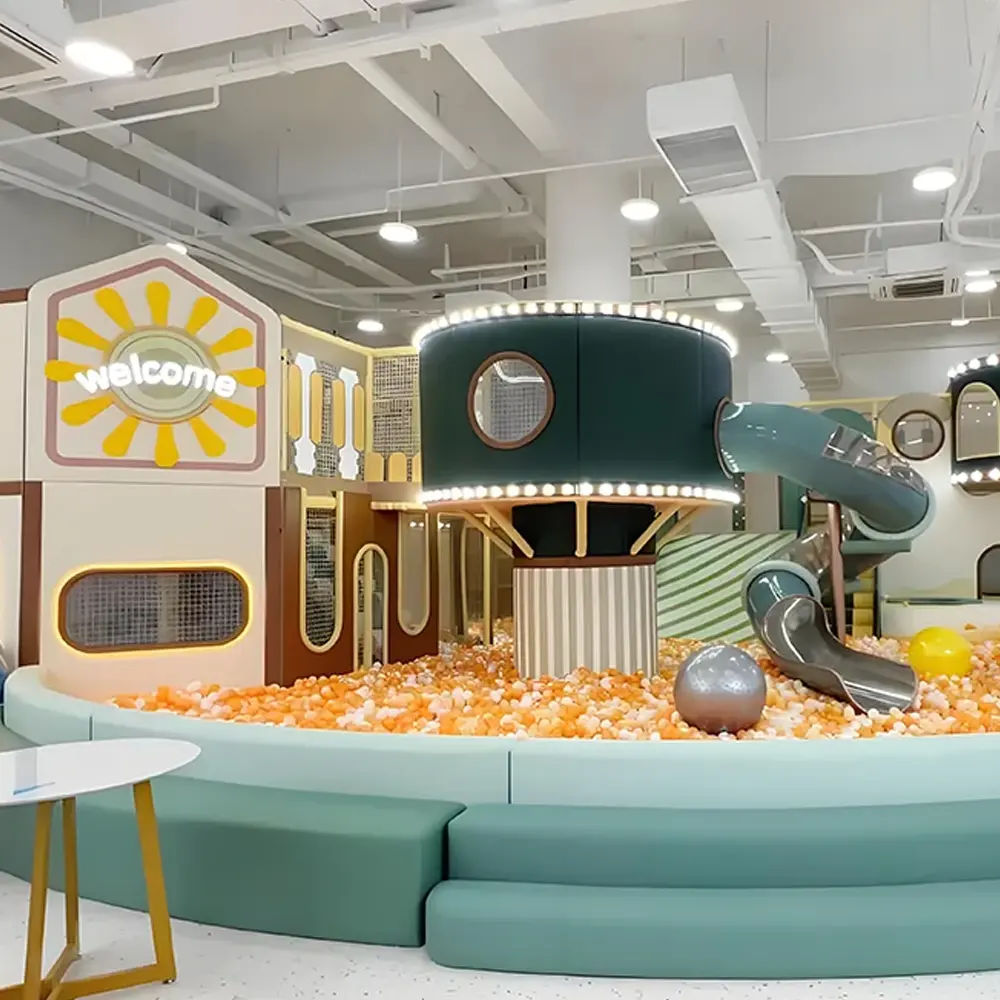
A play structure is the central body of an indoor playground. It connects other features—slides, tunnels, climbing sections—into one continuous play experience.
Why it matters: a strong core structure increases dwell time and repeat visits because kids do not “finish the play” in five minutes. It also helps you control flow: where kids enter, where they exit, and where supervision needs to be strongest.
Look for clear entry points, simple circulation routes, and age-appropriate heights based on your target visitors.
Soft Play Area (Soft Play Zone)
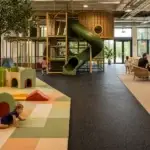
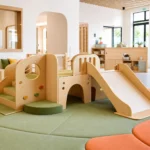
A soft play area is a padded zone made for toddlers and younger children. It usually includes foam shapes, low steps, mini slides, and a gentle obstacle layout on soft flooring.
Why it matters: parents search “infant indoor playground near me” or “indoor playground for infants” because they need a low-risk space. For owners, soft play zones reduce injury risk and complaints—especially when separated from older-kid traffic.
A good soft play area has low height, rounded edges, a clear boundary, and easy-to-clean surfaces.
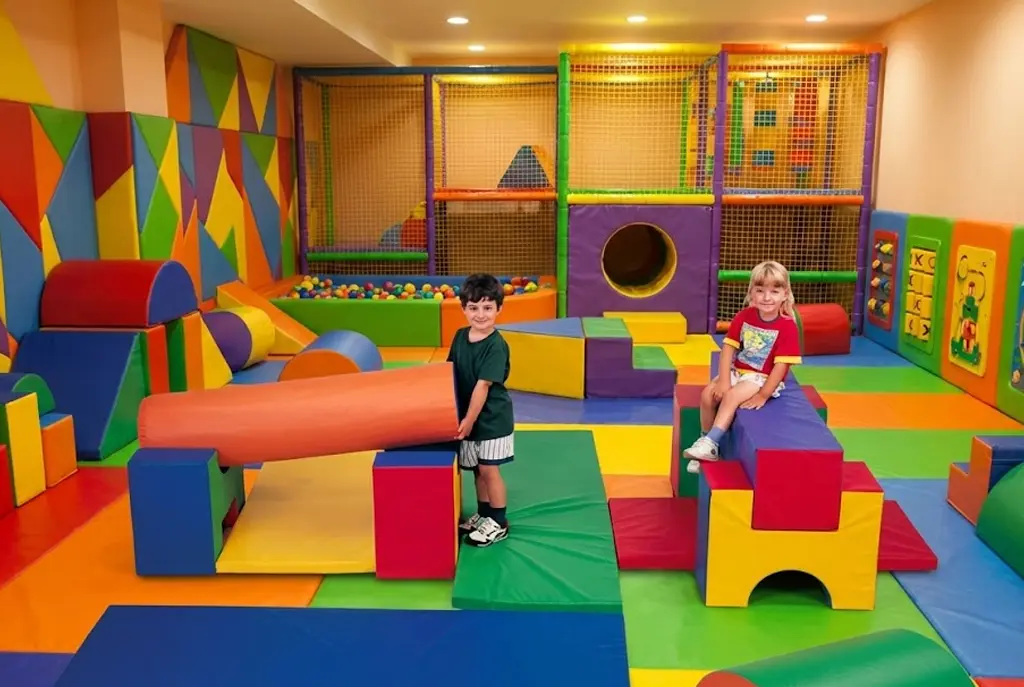
Toddler Area (Toddler Zone)
A toddler area is a defined zone designed specifically for ages roughly 1–4 (exact age range varies by venue). It can be soft play, sensory play, role play, or a mix—but the key is separation and supervision.
Why it matters: toddlers get overwhelmed fast in mixed-age spaces. A protected toddler zone improves safety, reduces conflicts, and makes your venue feel more organised.
Best practice is a clear entry/exit, visual separation (low fences or half walls), and seating nearby for caregivers.
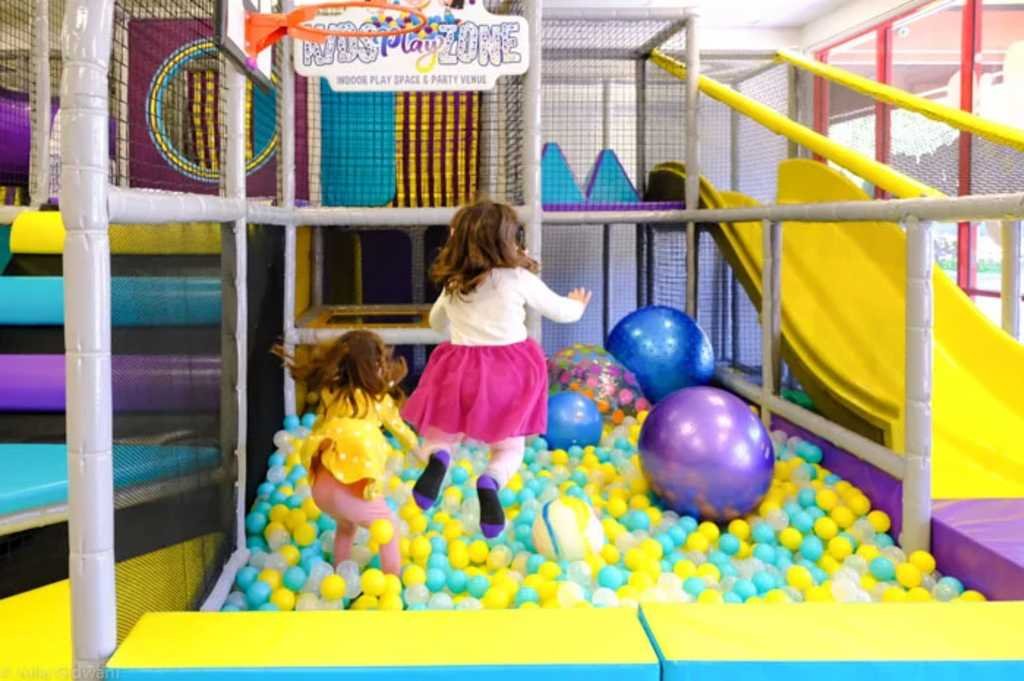
Infant Area (Baby Zone)
An infant area is designed for babies and early walkers. It focuses on low stimulation, hygiene, and safe surfaces, often with tummy-time mats, soft blocks, and minimal shared touchpoints.
Why it matters: “for infants near me” searches often come from first-time parents who are very sensitive to cleanliness and safety. A dedicated infant corner can become a trust builder for your brand.
Keep the infant area separated, simple, and easy to disinfect.
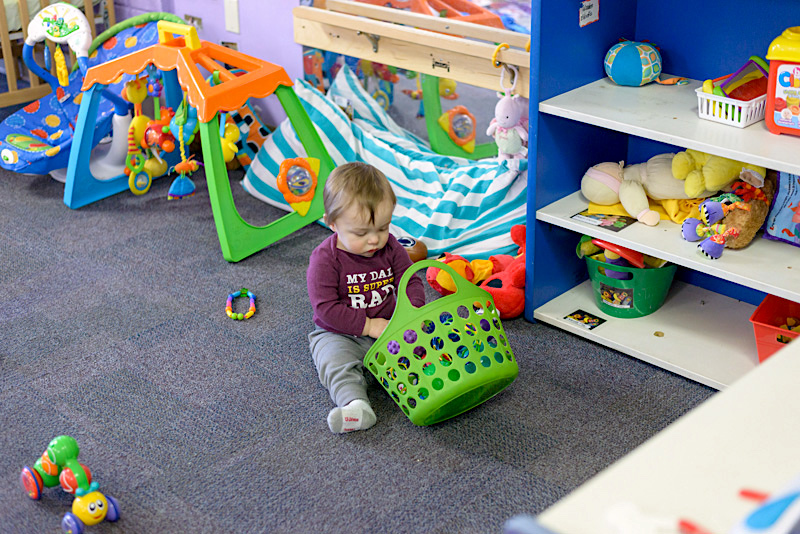
Climbing Wall
A climbing wall is a vertical climbing feature designed with safe handholds and footholds, usually paired with padded landing areas. Difficulty can range from simple toddler-friendly slopes to more challenging walls for older kids.
Why it matters: climbing walls add physical challenge, build confidence, and support gross motor development. They also increase the “wow factor” without requiring a huge footprint.
Common styles include low bouldering walls, themed holds, and hybrid walls integrated into play structures.
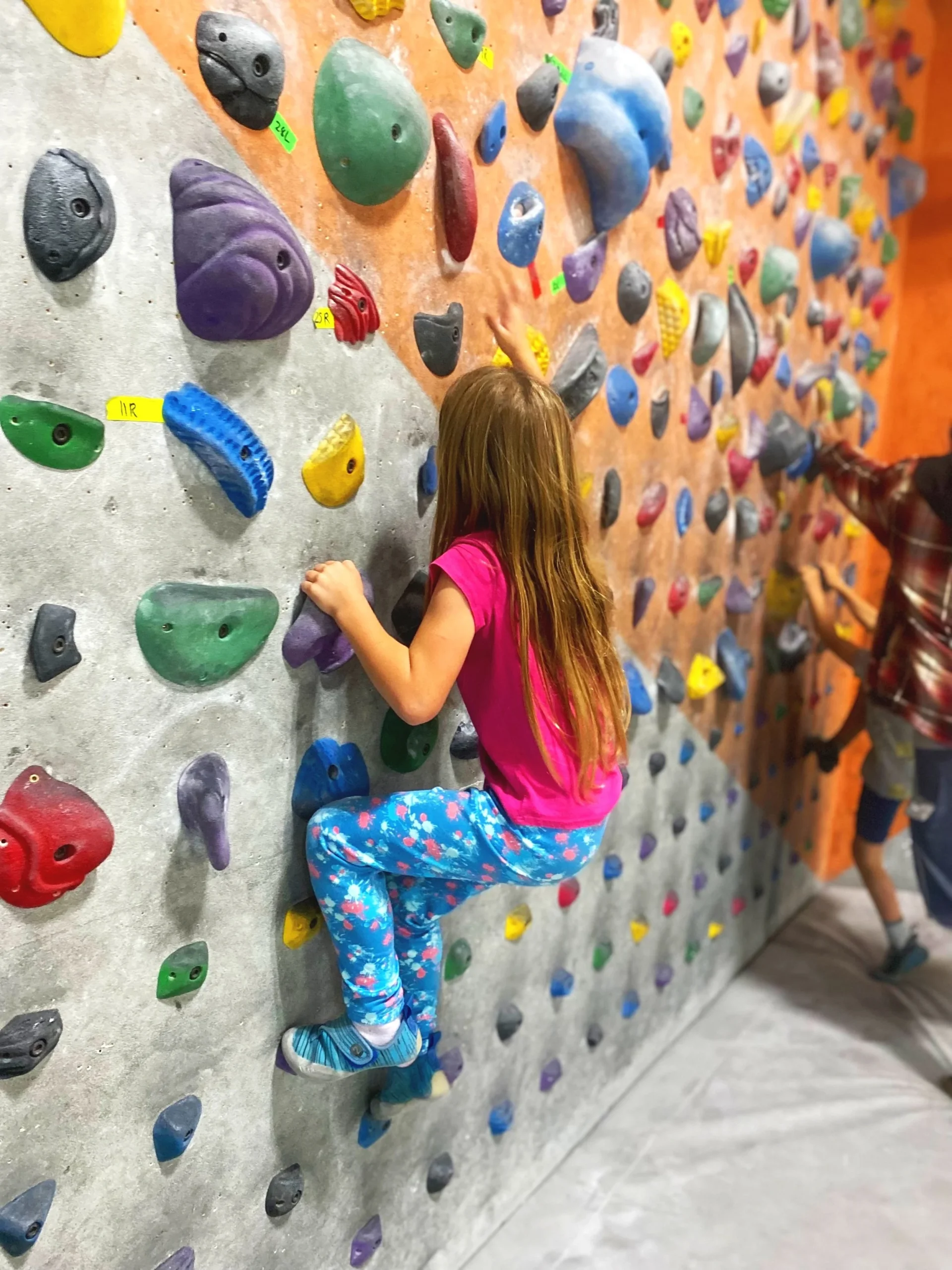
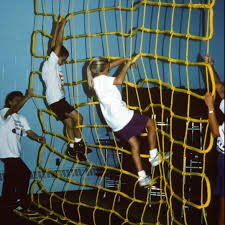
Rope Net & Cargo Net Climb
Rope nets (including cargo nets) are climbing elements made from tensioned ropes or webbing. They can be used as ramps, bridges, or vertical climbing panels.
Why it matters: nets offer high play value and flexible difficulty. They encourage balance, coordination, and risk-managed challenge.
Look for stable anchoring, proper spacing, and clear fall protection.
Tunnel (Crawl Tube / Crawl Tunnel)
A tunnel is an enclosed passageway that children crawl through to move between platforms or zones.
Why it matters: tunnels add exploration, hide-and-seek play, and movement variety. They also help manage flow by guiding kids through a route rather than letting everyone run in open space.
Common tunnel types include soft tunnels for toddlers and rigid tubes integrated into multi-level structures.
Slide (Straight Slide / Tube Slide)
Slides are essential signature features. Straight slides are open and visible; tube slides are enclosed and feel more adventurous.
Why it matters: slides are “repeat play” elements—kids often do them many times. Slides also create predictable flow: climb up → slide down → return to queue.
Select slide height and speed based on your target age range, and always plan safe landing zones.
Ball Pit (Ball Pool)
A ball pit is a contained area filled with plastic balls for sensory and active play. Many modern venues combine ball pits with interactive ball games or vacuum ball systems.
Why it matters: ball pits can be a strong attraction, but they also require maintenance discipline. Families may love them, but hygiene expectations are high.
If you include a ball pit, make sure it is easy to access for cleaning and has clear rules for food and shoes.
Sensory Play
Sensory play includes activities and equipment that engage touch, sound, sight, and movement. Examples include texture panels, light-up features, interactive gears, and musical walls.
Why it matters: sensory play supports cognitive development and can make your playground more inclusive for children with different needs. It also attracts parents looking for calmer, purposeful play.
Balance sensory elements carefully—too many flashing features can overwhelm younger children.
Interactive Wall (Activity Panel)
An interactive wall is a vertical play panel with spinning gears, sliders, puzzles, or tactile materials. It is often used in toddler zones or along walkways.
Why it matters: activity walls add play value without occupying much floor space. They are great for queue areas, transitions, and supervision-friendly play.
Choose panels with durable components and easy-to-clean surfaces.
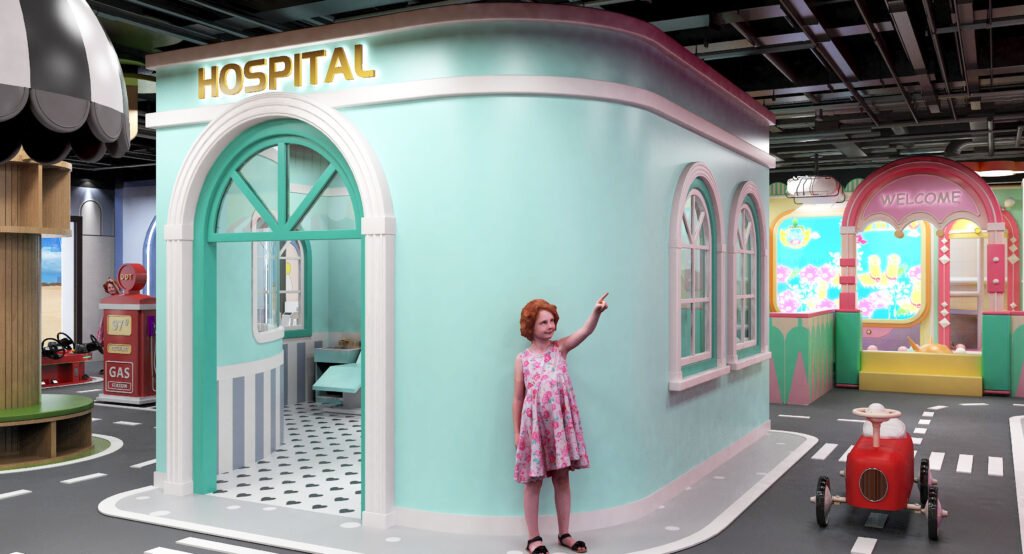
Role Play Zone (Dramatic Play Area)
A role play zone is a themed area where children act out real-world scenarios—shop, kitchen, clinic, construction site, or post office. It can be called a dramatic play area or pretend play zone.
Why it matters: role play supports social skills, language development, and cooperative play. It also gives a different “play rhythm” compared to climbing and sliding, which helps reduce overall chaos.
The best role play zones use sturdy props, clear themes, and simple boundaries to keep pieces from spreading across the venue.
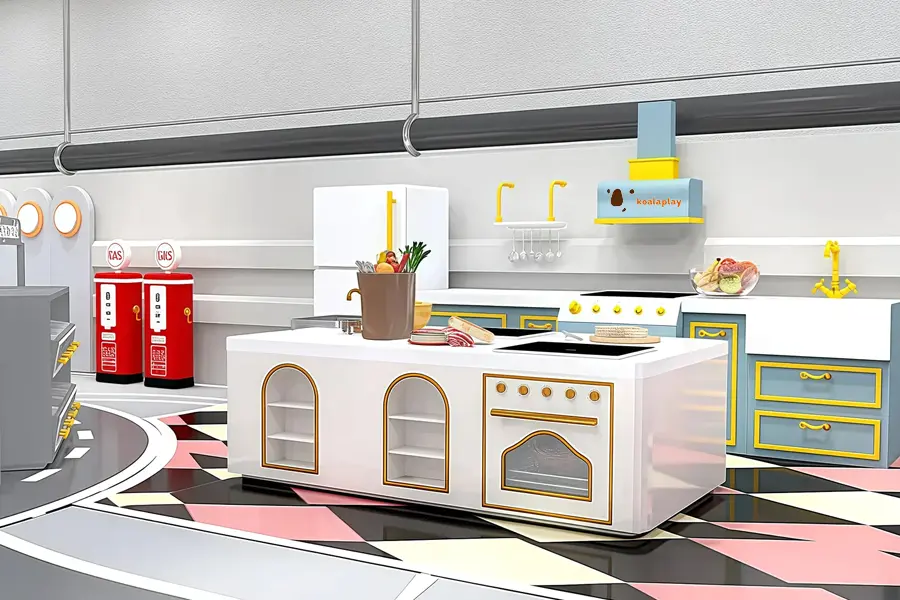
Pretend Play Corner
A pretend play corner is a smaller version of a role play zone—often a compact setup within a play café or smaller indoor play centre.
Why it matters: many families search for “fun indoor play areas” but prefer spaces that are calm and interactive rather than purely high-energy. A pretend play corner helps you serve that audience.
Common setups include play kitchens, mini grocery shelves, tool benches, and dress-up racks (with easy-to-clean materials).
Parent Seating Zone (Caregiver Seating)
This is the seating area designed for supervision. In well-planned venues, seating is not an afterthought—it is a core safety feature.
Why it matters: poor seating placement creates blind spots. Good seating improves supervision, reduces staff intervention, and increases caregiver comfort (which increases dwell time).
Best layouts place seating with clear sightlines to toddler areas and high-traffic play routes.
Sightlines
Sightlines refer to what caregivers and staff can see from key points—especially seating, the entrance, and service counter.
Why it matters: strong sightlines reduce accidents, conflicts, and stress. They also reduce “Where is my child?” moments that disrupt operations.
When planning structures, avoid tall solid walls that block visibility across zones.
Circulation Route (Main Walkway)
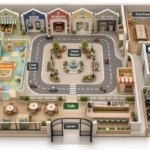
A circulation route is the main path that visitors naturally follow through the venue. It should be obvious, wide enough, and free of pinch points.
Why it matters: bottlenecks create complaints and increase the chance of collisions. A simple main walkway is one of the fastest ways to make a venue feel calmer and more premium.
Plan your layout so people can move without cutting through toddler zones or high-speed play areas.
Entry Flow (Entrance Zone)
Entry flow includes the check-in point, shoe/sock policy area, stroller parking (if applicable), and the first visual impression.
Why it matters: the entrance determines whether families feel confident or confused. A calm, organised entrance reduces staff interruptions and sets expectations.
A good entry area includes clear signage, a defined queue line, and a place for shoes/bags.
Capacity (Occupancy)
Capacity is the maximum number of children (and sometimes total visitors) that your space can safely and comfortably hold.
Why it matters: “fun for all” only works if the space does not feel crowded. Capacity management protects safety, improves customer experience, and reduces wear on equipment.
Your capacity is influenced by floor area, zoning, equipment density, and supervision staffing.
Age Range (Target Age Group)
Age range defines who the venue is built for: infants/toddlers, mixed ages, or older kids/teens.
Why it matters: trying to serve everyone often creates the most conflicts. A clear target age group improves design decisions—from structure height to flooring, from role play to climbing difficulty.
If your customers are mostly parents of toddlers, prioritise protected toddler zones and low-height structures.
Bubble Window
A bubble window is a clear dome-shaped window installed on a wall or play structure. Children can peek through it to see other areas.
Why it matters: bubble windows add imaginative play with minimal complexity. Kids use them as lookouts, spaceship windows, or “secret” observation points.
They also help connect zones visually, which can reduce fear for younger children.
Drop Zone (Landing Area)
A drop zone is the padded landing area at the end of slides or the base of climbing features.
Why it matters: many injuries happen at transitions—when kids exit a slide or jump down. Proper drop zones reduce risk and help maintain smooth flow.
Always keep drop zones clear of obstacles and foot traffic.
Floor Padding & Safety Surfacing
Safety surfacing is the flooring system designed to reduce injury risk from falls. Indoors, this often includes padded tiles, foam underlayment, or specialised play flooring.
Why it matters: parents judge safety quickly by flooring quality. For operators, flooring also affects cleaning time and long-term maintenance costs.
Choose surfaces that balance cushioning, durability, and cleanability.
Cleanability (Cleaning-Friendly Design)
Cleanability means how easily your space can be cleaned and disinfected—especially high-touch points and toddler areas.
Why it matters: this is one of the biggest hidden drivers of operating cost. The best venues plan for cleaning from day one: fewer dust traps, accessible corners, wipeable materials, and clear equipment spacing.
If you want fewer staff hours spent scrubbing, design for cleaning, not just for looks.
“Indoor Playground Near Me” (What Families Actually Mean)
When families search “indoor playground near me” or “closest indoor playground,” they usually care about four things:
- Is it age-appropriate for my child?
- Is it clean and safe?
- Can I supervise easily (or relax a bit)?
- Is it worth the price (or is there a cheaper/free option)?
If you are an operator or planning a new venue, these are not just marketing points—they should guide your zoning, equipment mix, and customer experience design.
Quick Summary Table
Indoor playground terms are the common names used to describe play structures, activity zones, and safety features inside an indoor play centre. Knowing these terms helps you search equipment accurately, write clear requirements for suppliers, compare quotes correctly, and design a space that is easier to supervise and maintain. This glossary explains the most-used indoor playground words—what each item is, why it matters, and where it usually fits in a real venue (especially for toddler areas, soft play, role play, and indoor play cafés).
| Term | What it is | Best for | Key design focus |
|---|---|---|---|
| Indoor Play Centre | Full indoor play venue | Families, all-weather play | Zoning + capacity |
| Indoor Play Café | Play + café seating | Calm visits, toddlers | Sightlines + flow |
| Indoor Play Structures | Connected modular system | Core play capacity | Circulation + safety |
| Soft Play Area | Padded toddler play | Ages 1–4 | Separation + hygiene |
| Infant Area | Baby-safe corner | Babies/early walkers | Clean surfaces + quiet |
| Role Play Zone | Dramatic/pretend play | Social & language play | Durable props + boundaries |
| Sensory Play | Multi-sensory activities | Inclusive, calmer play | Balance stimulation |
| Climbing Wall | Vertical challenge | Older toddlers/kids | Safe landing zones |
| Bubble Window | Dome lookout | Imaginative play | Visual connection |
| Drop Zone | Slide/climb landing | All users | Clear, padded exits |
Closing Thought
Knowing indoor playground names, definitions, and terms is not about sounding technical—it is about building a space that works in real life. When you understand how each component supports safety, supervision, flow, and play value, you can design a venue that feels fun for kids and easy for adults.
If you are planning a new indoor play centre, building a shopping mall indoor playground, or upgrading an indoor play café, use these terms as a checklist. They will help you make clearer decisions, avoid common layout mistakes, and create a space families genuinely want to return to.



 English
 Spanish
 German