-1024x1024.jpeg)
A play café can look perfect on opening day. Then Saturday arrives. The lobby fills. Toddlers cry because bigger kids rush past. Parents cannot find a seat. Staff lose time answering the same questions. Cleaning falls behind. A few bad peak hours can undo weeks of good reviews.
Koalaplay treats timed sessions and capacity control as the operating system of a play café. These tools do not remove fun. They protect it. They also protect the café side, because the café only sells well when families feel calm.
What timed sessions mean in a play café
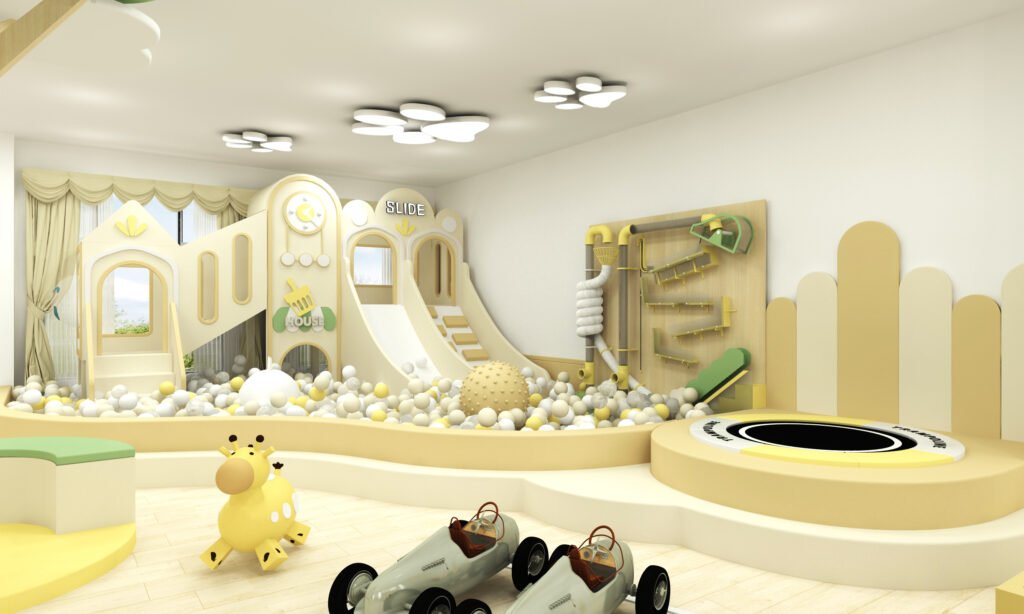
Timed sessions mean guests enter within a specific time window and play for a set duration. Koalaplay uses sessions to control how many people are inside at one time, so the venue stays safe and comfortable.
Koalaplay team does not treat sessions as a “marketing trick.” Koalaplay treats sessions as a way to reduce stress. When arrival times are planned, staff can focus on service. Families also understand what to expect.
When timed sessions help the most
Koalaplay sees timed sessions work best when:
- The play area is compact and gets crowded fast.
- The toddler zone is popular and needs protection.
- The café seating is limited and becomes the real bottleneck.
- The venue wants predictable cleaning windows.
If a venue still wants a walk-in feel, Koalaplay team often blends walk-ins into a session system. Walk-ins can enter only if the current headcount allows it. This keeps the atmosphere open, but the venue stays controlled.
What capacity control really is in Play Cafe Business
Capacity control is the set of rules and tools that keep guest density stable and supervision realistic. Koalaplay uses capacity control in layers, because a play café has multiple pressure points.
RoSPA points out that supervision needs depend on design, layout, and maximum numbers, and that better sight lines can reduce supervision load. RoSPA also highlights practical planning points like separating age groups and controlling maximum numbers.
Koalaplay team normally breaks capacity into five practical limits:
| Capacity limit | What it protects | What usually breaks first |
|---|---|---|
| Play structure limit | safe play density on the frame | climbing congestion, pushing, falls |
| Toddler zone limit | toddler comfort and protection | toddler overwhelm, parent complaints |
| Sightline / supervision limit | staff can truly see what matters | blind spots, missed conflicts |
| Café seating limit | parents can sit and spend | no seats, low café sales |
| Hygiene and reset limit | cleaning stays on schedule | sticky tables, dirty touchpoints |
Koalaplay does not use only the highest legal number. Koalaplay uses the lowest practical number that still feels comfortable.
How Koalaplay sets a “calm capacity” (a simple method that works)
Koalaplay team starts with the concept of calm capacity. This is the number where the venue still feels relaxed at peak time.
A simple way to think about calm capacity is space-per-child. WBDG provides sizing guidance for gross motor play areas and shows that more space per child is associated with fewer injuries.
Koalaplay team uses space guidance as an anchor, then adjusts based on layout and age mix. Columns, tight corners, and blind spots all reduce real capacity because they increase supervision load. RoSPA’s focus on sight lines supports this logic.
Koalaplay’s “lowest number wins” rule
Koalaplay team calculates three numbers and chooses the lowest:
1) Space number
Play-zone usable area ÷ target area-per-child.
2) Supervision number
How many children staff can supervise with clear sightlines and realistic response time.
3) Flow number
How many families the lobby, shoe area, stroller parking, toilets, and café queue can process without blocking.
Then Koalaplay team applies a buffer, because weekends behave differently than weekdays:
- Reduce capacity when toddlers dominate the mix.
- Reduce capacity when sightlines are weak.
- Reduce capacity when the café line crosses the entry path.
Koalaplay often discusses these design inputs early in the planning phase. For a bigger business view, Koalaplay also shares budget and layout thinking in resources like the 200 sqm play café investment cost guide and 1000 sqm investnent cost guide.
Session design: duration, buffers, and entry style
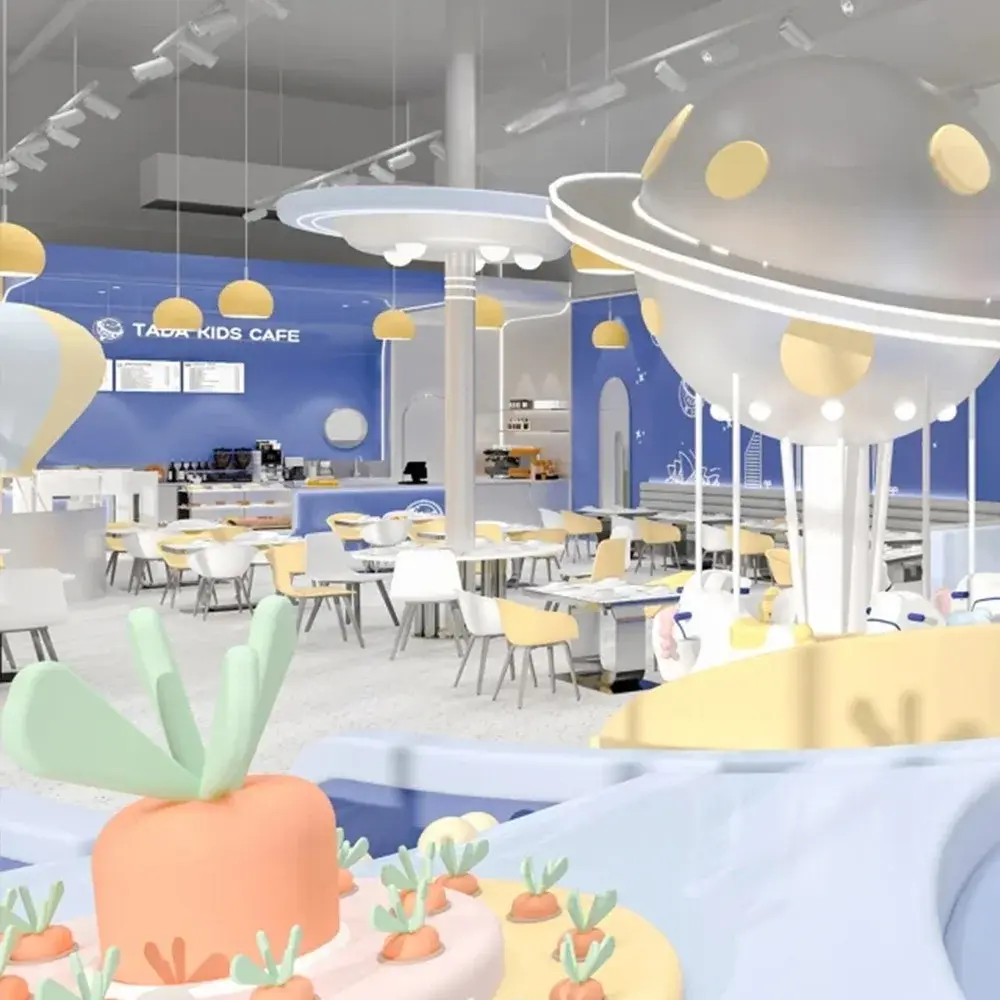
Koalaplay team designs sessions around family behaviour and cleaning reality.
Session duration choices that are easy for customers to understand
Koalaplay sees these patterns used widely in the industry:
- 90 minutes: strong control, strong turnover, easier reset
- 120 minutes: more relaxed, but resets need more discipline
- All-day style: only works if the venue still caps headcount and controls re-entry
Koalaplay team chooses based on the venue’s market. A mall location often benefits from shorter sessions and higher turnover. A destination location often benefits from longer sessions and smoother pacing.
Buffer time is not optional
Timed ticketing is often used to allow regularly timed cleaning.
Koalaplay team builds a buffer because “cleaning while guests are still playing” creates conflict and missed spots.
Koalaplay’s practical buffer ranges:
- 10–15 minutes for light reset and table turnover
- 20–30 minutes for meaningful touchpoint cleaning and re-staging
Koalaplay team also uses buffers to protect the team. When staff feel rushed, guest handling gets rough. Then complaints rise.
Entry style: hard blocks vs staggered entry
Koalaplay team uses two main entry styles. Both can work if rules are clear.
| Entry style | How it feels | Best for |
|---|---|---|
| Hard block sessions | everyone arrives and leaves together | smaller venues, toddler-heavy venues, limited staff |
| Staggered entry | arrivals spread in small time slots | larger venues, strong booking tools, high walk-in demand |
Koalaplay team decides this based on check-in speed and lobby space. If the lobby is narrow, hard blocks can create a rush. If check-in is slow, staggered entry can reduce line pressure.
The rules customers accept (and the rules customers fight)
Capacity control fails when rules feel random. Koalaplay team uses simple rules with visible reasons.
Rule 1: late arrival policy
Koalaplay recommends a clear statement like:
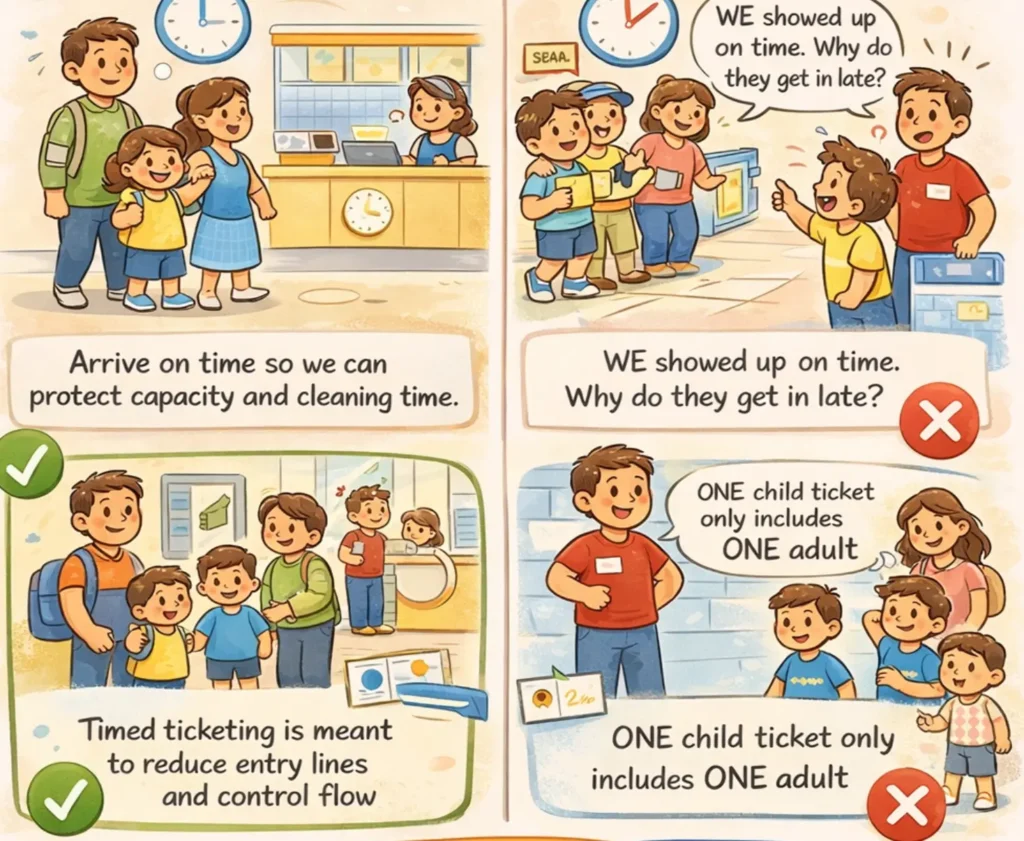
- “Arrive on time so the venue can protect capacity and cleaning windows.”
Timed ticketing is meant to reduce entry lines and control flow.
If late arrivals are handled loosely, the whole system becomes unfair to on-time guests.
Rule 2: no “infinite adults”
Play cafés often hit seating limits before they hit play-structure limits. Koalaplay team often sets a simple structure:
- One child ticket includes one adult.
- Extra adults are limited or priced.
This keeps the café from becoming crowded with non-paying occupancy. It also keeps the play zones easier to supervise, because fewer adults stand in sightline paths.
Rule 3: re-entry is controlled, not automatic
Koalaplay team allows re-entry only when:
- The child has a visible wristband or stamp.
- The adult remains responsible.
- Current headcount still allows it.
This prevents “seat holding” and prevents capacity creep.
Koalaplay also recommends a “how it works” page that connects admissions rules to safety and comfort. A helpful example structure is discussed in how a play café supplier helps you create safe, fun zones.
Check-in is the control valve (where the system wins or collapses)
Koalaplay team treats check-in like the valve that controls pressure. If check-in is weak, capacity control becomes staff arguments and guest confusion.
A booking system should support timed entry and capacity limits.
Koalaplay team likes systems that also support online bookings and automated emails, because it reduces “what time is my session?” questions at the counter.
Koalaplay team recommends these items:
- Booking confirmation or walk-in ticket
- Waiver process (online before arrival is ideal)
- Wristband or stamp with end time
- Socks and safety reminders
- Clear toddler boundary rule
Koalaplay team also recommends real-time headcount tracking. Staff should be able to answer in seconds:
- how many children are inside now
- how many are in the toddler zone
- how many seats are in use in the café
If staff cannot answer that, capacity control is not real. It becomes guesswork.
Layout and zoning decide how much capacity you can actually sell
Koalaplay team often says this: capacity is not a spreadsheet number. Capacity is a layout result.
RoSPA explains that supervision load depends on design and layout and that improved sight lines can reduce the supervision requirement.
That is why Koalaplay team designs for:
- strong parent sightlines
- low blind spots
- clear toddler separation
- clear circulation routes
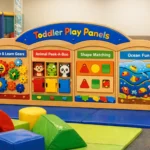
Koalaplay also sees that toddler separation is one of the strongest “calm multipliers.” When toddlers have a protected zone, conflicts drop. Parents relax. Staff stop refereeing.
Koalaplay often connects capacity control to a clear zoning plan inside the broader Play Café concept, and then maps equipment to zones using the main Indoor Playground Equipment range as a reference library for types and layouts.
A step-by-step tutorial to build a capacity plan (Koalaplay’s copy-and-run method)
Koalaplay team builds capacity plans for one reason: the venue should run well even when the owner is not on site. A good plan is simple enough for new staff to follow, but strict enough to stop “just one more family” from turning into a noisy mess.
Step 1: define your sellable time (so the day becomes predictable)
Koalaplay starts by turning your opening hours into clear “sellable blocks.” This is the part many venues skip. They know their opening time, but they do not define the rhythm of the day. When the rhythm is missing, check-in becomes random, cleaning becomes late, and parents keep asking the same questions.
Koalaplay team writes a schedule that staff can point to and customers can read in three seconds.
| Time | Session | What happens |
|---|---|---|
| 10:00–11:30 | Session 1 | Play time |
| 11:30–11:45 | Buffer | Reset + clean |
| 11:45–13:15 | Session 2 | Play time |
| 13:15–13:30 | Buffer | Reset + clean |
Koalaplay likes this format because it does two jobs at once. It guides staff operations, and it becomes customer-facing information. Less guessing means fewer arguments at the counter.
Step 2: set calm capacity by zone (because one number is never enough)
Koalaplay team does not use a single building capacity number. A play café has different “rooms” even when it is an open plan. The main play frame behaves differently from the toddler zone. The café seating behaves differently from both. When Koalaplay sets capacity, Koalaplay sets it by zone, then uses the lowest limit as the real sales limit.
Koalaplay usually sets three caps first: the main play frame, the toddler zone, and the café seating. After that, Koalaplay adjusts based on sightlines and bottlenecks. When sightlines are weak, supervision becomes harder. When the entry path crosses the café queue, flow breaks. RoSPA’s indoor soft play guidance keeps coming back to these practical points, especially sightlines and controlling numbers, so Koalaplay treats layout as part of capacity, not a separate topic. (https://www.rospa.com/play-safety/services/advice/indoor-soft-play)
A simple way Koalaplay explains it to owners is this: your calm capacity is the number where staff still see everything that matters and parents still find a seat.
Step 3: convert capacity into ticket inventory (so the POS cannot sabotage you)
Once Koalaplay has a calm capacity number, Koalaplay team turns it into ticket inventory. This sounds obvious, but many venues keep capacity “in someone’s head,” then staff sell past the limit under pressure.
Koalaplay sets inventory in three buckets:
- child tickets per session
- adult add-ons (only if the venue uses them)
- party blocks that are reserved in advance
Koalaplay team strongly prefers reserving party capacity instead of stacking parties on top of open play. When parties are stacked, open play quality drops fast. The venue becomes loud, toddlers get pushed out of their zone, and café service slows down because parents all order at the same time.
If Koalaplay has to explain this in one sentence, Koalaplay says: a party is not only a table, it is a temporary crowd spike.
Step 4: write the operating rules like a human (so guests follow them)
Rules fail when they sound like legal text. Koalaplay team writes rules in short, friendly sentences that match what guests see in the space. Koalaplay keeps the wording consistent on the website, booking confirmation, and front desk signage, because inconsistency creates conflict.
Koalaplay uses rules like:
- “This is a timed session.”
- “Please arrive on time.”
- “Koalaplay cleans between sessions.”
- “The toddler zone is for toddlers.”
- “Socks are required.”
When guests understand the reason, they stop treating the rule as “strict.” They treat it as “fair.”
Step 5: assign staff by zones (because zones create predictable problems)
Koalaplay team does not like vague roles like “floor staff.” Koalaplay assigns zones because zones match the problems that actually happen. This reduces blind spots and reduces staff confusion during rush moments.
Koalaplay usually assigns:
- one person as check-in lead
- one person watching the toddler zone
- one person watching the main play frame
- one person supporting the café flow and doing cleaning sweeps
Koalaplay prefers this setup because it also makes training easier. A new staff member can learn one zone first. Then they expand.
Step 6: track three weekly signals (so the plan gets better, not heavier)
Koalaplay team keeps performance tracking simple, because busy owners do not have time for ten dashboards. Koalaplay looks for signals that explain where the system is breaking.
Koalaplay tracks:
- session utilization (tickets sold vs capacity)
- the peak bottleneck point (where the line forms)
- the top complaint triggers (toddlers, seating, cleanliness, noise)
If utilization is low, Koalaplay adjusts marketing or the session schedule. If complaints rise at high utilization, Koalaplay adjusts capacity and flow. Koalaplay does not solve service pain by selling more tickets. Koalaplay solves it by making the experience calmer, then letting repeat visits build the business.
Tools and software: what Koalaplay looks for (without chasing shiny features)
Koalaplay team prefers systems that make capacity control automatic, not manual. The software should stop overbooking. It should speed up check-in. It should also make it hard for staff to “forget” the rules under pressure. ROLLER’s buyer guide describes the core idea well: timed entry, capacity limits, and smooth check-in workflows matter most in indoor play venues. (https://www.roller.software/blog/indoor-playground-software-buyers-guide)
Koalaplay also likes resource-based session management, where sessions link to specific zones, so capacity is controlled where it matters. ROLLER’s support documentation describes how session-pass products can be set up to manage sessions in a structured way.
Koalaplay is not tied to one brand. Koalaplay cares about outcomes. Staff spend less time explaining. Families spend less time waiting. Cleaning becomes predictable. Safety improves because density stays controlled.
The most common capacity mistakes Koalaplay sees (and how Koalaplay fixes them)
Mistake A: selling up to the legal limit
The legal limit is not the comfort limit. When the venue feels crowded, the café side suffers first. Parents stop ordering because they cannot relax. Repeat visits drop because the memory feels stressful.
Koalaplay fixes this by setting calm capacity as the real sales limit, then improving value perception through cleanliness, flow, and stronger toddler protection.
Mistake B: the toddler zone is “in name only”
A toddler sign does not protect toddlers. If bigger kids can enter, toddlers get overwhelmed and parents get angry. Staff then spend the whole day refereeing instead of serving.
Koalaplay fixes this through true separation and clear sightlines. This matches the supervision and maximum-number logic highlighted in RoSPA’s indoor soft play guidance. (https://www.rospa.com/play-safety/services/advice/indoor-soft-play)
Mistake C: no buffer, so staff cannot catch up
Without buffer time, cleaning becomes a constant argument with guests. The venue slowly looks tired, then reviews begin to mention “sticky” and “messy.”
Koalaplay fixes this by adding buffers and telling guests the reason. Timed ticketing is commonly used to support timed cleaning windows, so Koalaplay uses that logic directly. (https://www.doubleknot.com/blog/timed-ticketing)
Mistake D: parties destroy open play
When parties are stacked without reserved inventory, open play becomes chaotic. The space gets loud fast, and the café line spikes all at once.
Koalaplay fixes this by reserving party capacity or using dedicated party time blocks, so the crowd spike is planned instead of accidental.
FAQ: Play Café Timed Sessions and Capacity Control
1) What session length works best for most play cafés?
Koalaplay team usually starts with 90 minutes or 120 minutes. A 90-minute session keeps flow tight and makes cleaning easier. A 120-minute session feels more relaxed for families who travel far. Koalaplay chooses based on two real limits: how fast check-in can move, and how fast the café seating fills. If parents cannot sit, the venue feels crowded even if the play frame still has space.
2) How does Koalaplay set the maximum number of children per session?
Koalaplay team sets a calm capacity, not only a legal capacity. Koalaplay uses the lowest number from three checks: space comfort, supervision reality, and flow limits. Koalaplay then adjusts down if sightlines are weak or if bottlenecks appear at the shoe area, stroller parking, café queue, or toilets. RoSPA highlights that supervision needs depend on layout and numbers, and sightlines matter. (https://www.rospa.com/play-safety/services/advice/indoor-soft-play)
3) Can a venue still accept walk-ins when using timed sessions?
Yes. Koalaplay team often uses a hybrid approach. Walk-ins are accepted only when the current headcount allows it, and they join the active session. This keeps the venue open to impulse traffic but prevents capacity creep. Timed ticketing is widely used to smooth arrivals and reduce lines, so the same logic applies to walk-ins. (https://www.doubleknot.com/blog/timed-ticketing)
4) How much buffer time should Koalaplay plan between sessions?
Koalaplay team typically plans 10–15 minutes for a light reset and 20–30 minutes for deeper cleaning and re-staging. Koalaplay team does not assume cleaning can happen “in the background,” because it creates conflict with guests and leaves missed touchpoints. Timed ticketing is commonly used to create predictable cleaning windows, so buffers are part of the system. (https://www.doubleknot.com/blog/timed-ticketing)
5) Why do guests complain that session rules feel “too strict”?
Guests complain when rules feel random or inconsistent. Koalaplay team reduces complaints by keeping rules short, visible, and tied to clear reasons like safety, toddler protection, and cleaning quality. Consistent enforcement matters more than strict wording. When the rule protects their child, most parents accept it.
6) How does Koalaplay prevent the café seating area from becoming the real bottleneck?
Koalaplay team treats seating as a capacity limit, not an afterthought. Koalaplay may control adult admission, set clear seating behaviour rules, and design circulation so the café line does not block the entry path. Koalaplay also prefers seating that keeps sightlines into play zones, because parents relax and stay seated when they can see. RoSPA’s advice on sightlines supports this operational logic. (https://www.rospa.com/play-safety/services/advice/indoor-soft-play)
7) What is the biggest mistake with parties and capacity?
Koalaplay team sees one mistake more than all others: parties are added on top of open play without reserved capacity. That creates a sudden crowd spike, noise spike, and café queue spike. Koalaplay fixes this by reserving party inventory or giving parties their own time blocks. The goal is to make the spike planned, not accidental.
8) What software features matter most for capacity control?
Koalaplay team looks for tools that prevent overbooking and speed up check-in. A booking system should support timed entry, capacity limits, and group options. (https://www.roller.software/blog/indoor-playground-software-buyers-guide)
Koalaplay also likes session products that link to specific sessions and structures, so capacity is controlled automatically instead of by memory. (https://mysupport.roller.software/hc/en-us/articles/115001691093-Create-your-session-pass-products)
9) How do timed sessions affect revenue in real life?
Timed sessions can protect revenue because they protect the experience. When density stays controlled, the venue feels calmer, cleaning stays on time, and parents sit down and order more. Timed ticketing is designed to reduce lines and manage arrivals, and those effects reduce complaints and refunds. (https://www.doubleknot.com/blog/timed-ticketing)
Koalaplay team does not chase maximum headcount. Koalaplay aims for stable throughput and strong repeat visits.
Reference List
RoSPA — Indoor Soft Play (sightlines, supervision, controlling maximum numbers)
Doubleknot — Timed Ticketing (definition, why timed entry helps lines and cleaning windows)
ROLLER — Indoor Playground Software Buyer’s Guide (timed entry, capacity limits, check-in flow)
ROLLER Support — Create Session Pass Products (structured session setup, capacity logic by session)
WBDG — Playground Design and Equipment (space-per-child planning guidance for play areas)



-150x150.jpeg)