
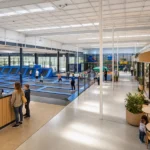
Einkaufszentren sind nicht mehr nur Zentren des Einzelhandels - sie werden zu Mehrzweckziele wo Einkaufen, Essen, Unterhaltung und Gemeinschaftserlebnisse miteinander verschmelzen. Zu den effektivsten Annehmlichkeiten für Autofahrer gehören Familienverkehr und längere Verweilzeiten ist der Spielplatz des Einkaufszentrums.
Für Eltern ist ein sicherer und ansprechender Spielbereich ein Ventil für ihre Kinder, um Energie zu verbrennen, während sie sich entspannen, einkaufen oder eine Mahlzeit genießen. Für die Betreiber von Einkaufszentren ist es eine bewährte Methode, um den Fußgängerverkehr erhöhen, und die Verweildauer der Kunden zu verlängern und den Ruf des Einkaufszentrums als familienfreundliches Ziel zu stärken.
Unter KoalaPlay, Wir haben Spielplätze für Einkaufszentren auf der ganzen Welt entworfen und gebaut. Wir haben aus erster Hand erfahren, wie ein durchdacht geplanter Spielplatz eine ruhige Ecke eines Einkaufszentrums in ein lebendiges, umsatzförderndes Gemeinschaftszentrum verwandeln kann. In diesem Leitfaden führen wir Sie durch die Kompletter Prozess der Gestaltung eines Spielplatzes im Einkaufszentrum - von der ersten Raumbewertung bis zum Marketing nach der Eröffnung - und verbinden dabei kreative Visionen mit praktischem Know-how.
1. Planung und Bewertung von Spielplätzen in Einkaufszentren
Jedes erfolgreiche Spielplatzprojekt beginnt mit den Raum verstehen mit denen Sie arbeiten. Bevor Farben, Rutschen oder Kletterwände ins Gespräch kommen, geht es darum, den Standort in Bezug auf folgende Aspekte zu bewerten Funktionalität, Sichtbarkeit und operative Durchführbarkeit.
Standort innerhalb des Einkaufszentrums
Gute Standorte sind in der Regel solche mit hohe natürliche Begehbarkeit - in der Nähe von Food-Courts, Ankermietern, Kinos oder Veranstaltungsräumen. Ein offener, gut sichtbarer Ort regt zu spontanen Besuchen an. Vermeiden Sie versteckte Ecken, es sei denn, Sie haben einen starken Marketingplan, um den Verkehr dorthin zu lenken.
Zugänglichkeit für Familien
Denken Sie an Eltern mit Kinderwagen, Familien mit mehreren Kindern und Besucher mit Mobilitätsproblemen. Breite Eingänge, ungehinderte Wege und die Nähe zu Aufzügen oder Rampen sind wichtig.
Sichtbarkeit und Sichtlinien
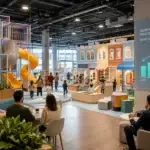
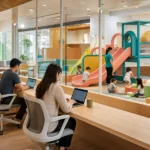
Je offener das Design ist, desto wohler fühlen sich die Eltern, wenn sie ihre Kinder spielen lassen. Verwenden Sie transparente Paneele, niedrige Barrieren und weite Blickwinkel, damit die Eltern ihre Kinder leicht im Auge behalten können, während sie in der Nähe sitzen.
Lärm und Umgebungsgeräusche
Spielplätze sind von Natur aus dynamisch. Bedenken Sie die Nähe zu ruhigen Einzelhandelszonen oder hochwertigen Boutiquen. Eine strategische Positionierung - oder ein schallschluckendes Design - kann dafür sorgen, dass der Spielplatz für Leben sorgt, ohne Beschwerden zu verursachen.
2. Thema und Konzeptentwicklung
Das Thema eines Spielplatzes ist weit mehr als nur eine Oberflächenverzierung - es definiert die Persönlichkeit des Raumes, gibt den Ton für die Abenteuer der Kinder an und macht den Spielbereich sofort erkennbar. Ein gut durchdachtes Konzept erhöht das Marketingpotenzial, regt zu wiederholten Besuchen an und schafft eine faszinierende Welt, die Kinder immer wieder erkunden wollen.

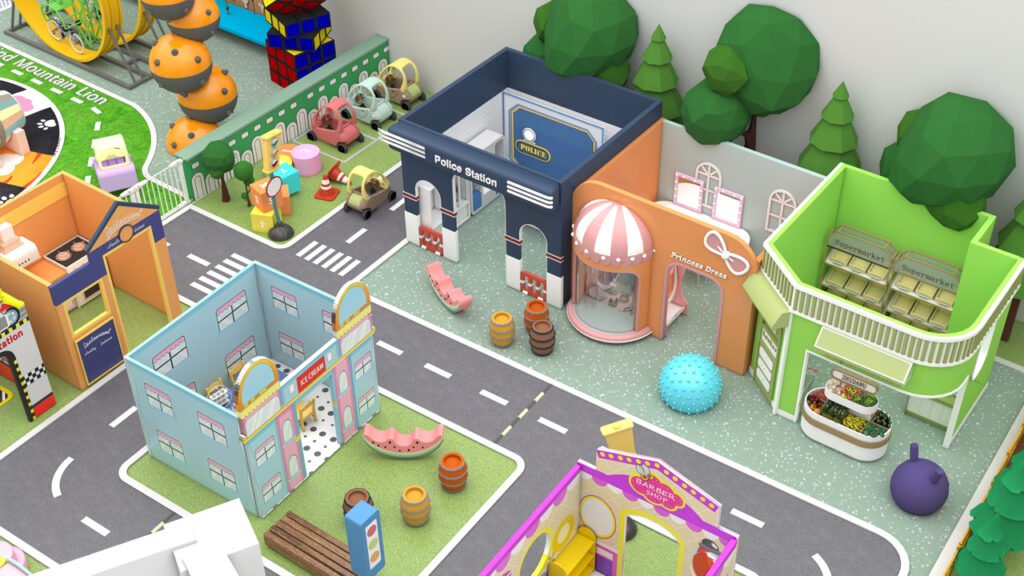
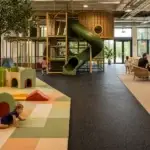
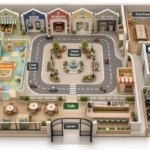
Unter KoalaPlay, Unsere Designbibliothek bietet eine breite Palette von Themen, von denen jedes einzelne in der Lage ist, eine Spielplatz im Einkaufszentrum in ein Reiseziel. Beliebte Auswahlmöglichkeiten sind Schloss & Prinzessin, Ozean, Mini-Stadt, Weltraum, Süßigkeiten & Macaron, Dschungel, und Tier & Bauernhof Themen. Für Einkaufszentren, die auf der Suche nach einzigartigen Erlebnissen sind, bieten wir auch moderne Neuerungen wie Dampferziehung, Natur & Wald, Transport, Punk, und vollständig Kommerzieller Spielplatz Konzepte. Selbst spezialisierte Umgebungen wie Spielplätze für Kindergärten und Spielplätze für Haushalte und Wohngebiete kann für den Einzelhandel angepasst werden.
Rollenspiele und Erfahrungszonen
Über die thematischen Strukturen hinaus, die Integration von Rollenspielumgebungen können das Erlebnis bereichern. Stellen Sie sich eine Miniatur vor Supermarkt, eine voll ausgestattete Küche, oder ein praktisches Krankenhaus in denen Kinder reale Szenarien durch vorgetäuschtes Spiel erkunden können. Die KoalaPlay-Entwürfe umfassen auch Make-up & Schönheitssalons, Autowaschanlagen und Reparaturwerkstätten, Polizei- und Feuerwachen, Baustellen, Zentren für Haustierpflege, und sogar Erlebnis Bauernhof Zonen - alle sorgfältig skaliert und detailliert für ein realistisches, sicheres Spiel.
Integrierte Café- und Eltern-Lounge-Konzepte
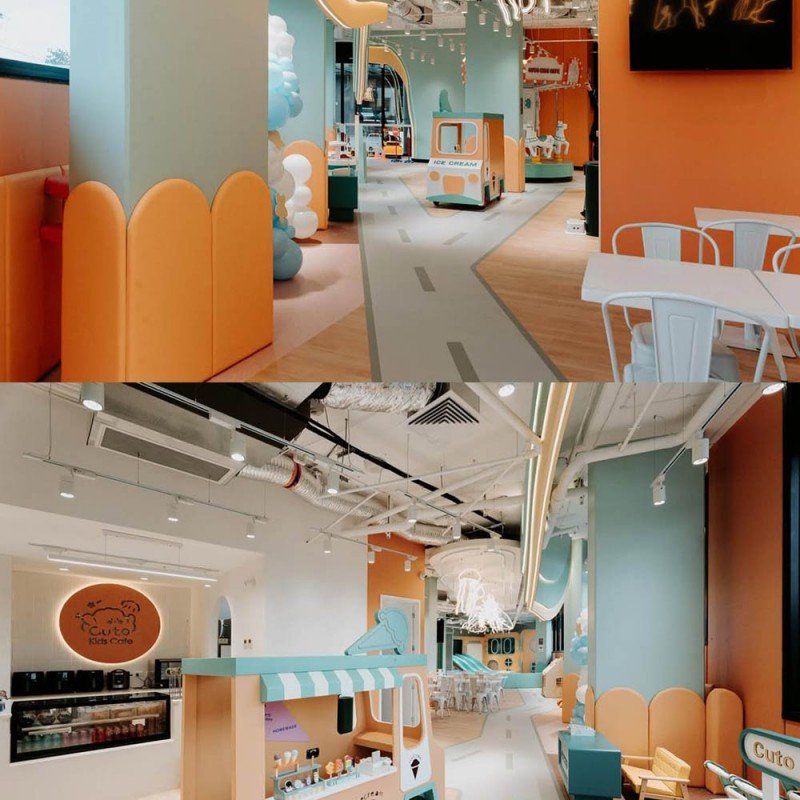
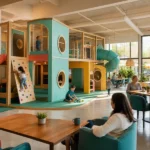
Für Einkaufszentren, die Freizeit und Familienfreundlichkeit miteinander verbinden wollen, ist KoalaPlay's Spiel-Café Konzept ist eine ausgezeichnete Option. Diese Räume verbinden eine Rollenspiel-Zone & Vorstellungsspiel-Ecke mit Indoor-Spielanlagen und eine Kleinkind & Soft Play Bereich, neben einem Eltern-Lounge & Café-Zone wo sich die Betreuer entspannen können. Jedes Café-Konzept kann mit einem individuellen Thema abgestimmt werden, um ein einheitliches Design zu erhalten.
Die Wahl des richtigen Themas
Bei der Auswahl eines Themas sollten Sie Folgendes beachten:
- Lokale Kultur und Demografie: Beziehen Sie vertraute Geschichten, Landschaften oder Traditionen ein, die in der Gemeinschaft Anklang finden.
- Identität des Einkaufszentrums: Stimmen Sie Farben, Materialien und Bildsprache auf den architektonischen Stil des Einkaufszentrums ab.
- Langlebigkeit: Entscheiden Sie sich für zeitlose Designs, damit der Spielplatz über Jahre hinweg attraktiv bleibt.
- Individuelles Branding: KoalaPlay kann das Logo, die Maskottchen oder die Markenpalette Ihres Einkaufszentrums direkt in die Spielumgebung einbetten.
Ein gut umgesetztes Thema ist nicht nur visuell beeindruckend - es wird Teil des Einkaufszentrums Markenidentität, Das macht es einfacher, sie in der Werbung, bei Kampagnen in sozialen Medien und bei Werbeveranstaltungen einzusetzen.
3. Entwerfen des Layouts
Ein Spielplatz im Einkaufszentrum sollte sein organisiert, sicher und intuitiv zu navigieren. Die Gestaltung sollte Familien ohne Verwirrung, Engpässe oder tote Winkel durch den Raum führen.
Einzuschließende Schlüsselzonen
- Empfangsbereich - Wenn Ihr Spielplatz mit Eintrittskarten ausgestattet ist, ist dies der Ort, an dem die Familien einchecken, bezahlen und Schuhe oder Kinderwagen abstellen. Auch bei Spielplätzen mit freiem Eintritt gibt ein klar definierter Eingang den Ton an.
- Kleinkindbereich (Alter 2-4) - Niedrige Plattformen, weiche Schaumstoffblöcke, kleine Rutschen und sichere sensorische Aktivitäten.
- Kernspielbereich (5-7 Jahre) - Mehrstufige Klettergerüste, Tunnel und moderate Rutschen.
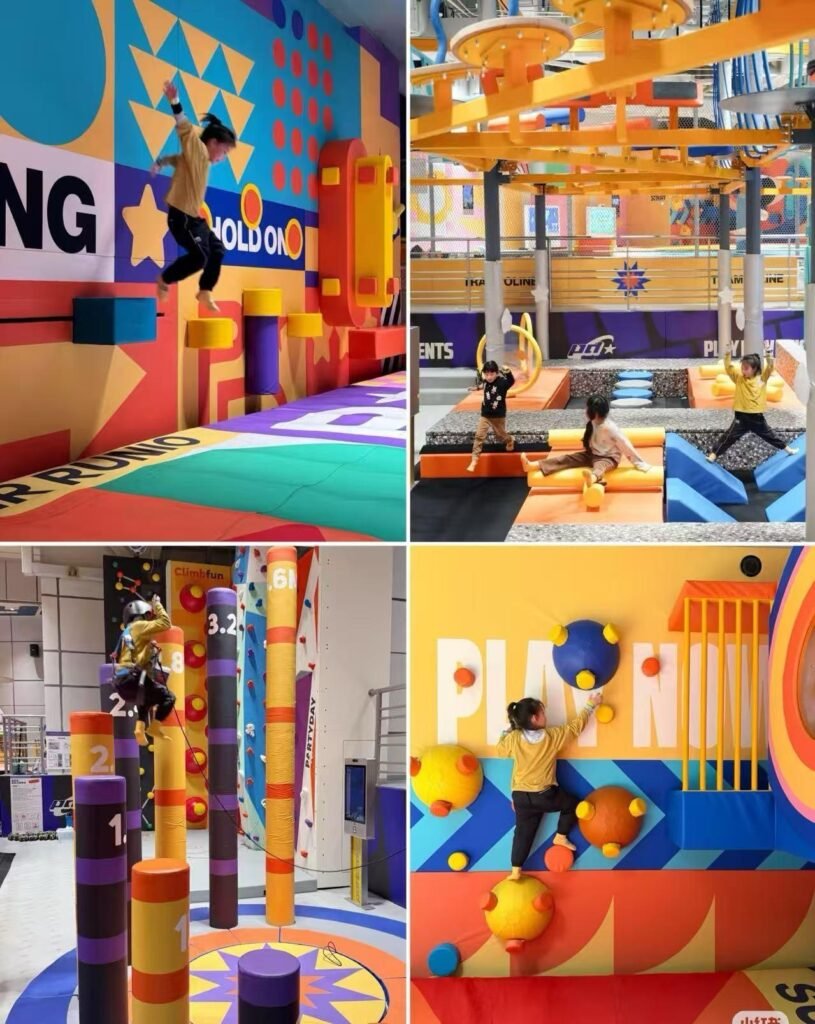
- Abenteuerzone (8-12 Jahre) - Hochseilgärten, Kletterwände und Herausforderungen im Ninja-Stil.
- Sitzbereich der Eltern - Bequeme Stühle oder Bänke mit freier Sicht auf alle Spielbereiche.
- Partyräume - Fakultativ, aber höchst profitabel für Geburtstage und Veranstaltungen.
- Personal und Lagerraum - Für Reinigungsmittel, Ersatzteile und Erste Hilfe.
Verkehrsfluss und Zirkulation
- Getrennte Ein- und Ausgänge helfen, Staus zu vermeiden.
- Ein Rundweg für Eltern um die Spielbereiche herum ermöglicht eine uneingeschränkte Sicht.
- Halten Sie die Notausgänge frei und gekennzeichnet.
Sightline-Design
Vermeiden Sie hohe undurchsichtige Wände oder lange geschlossene Röhren. Integrieren Sie stattdessen transparente Paneele, Netze oder offene Geländer, damit die Überwachung mühelos ist.
4. Die Auswahl der richtigen Ausrüstung
Die Ausrüstung ist das Herzstück eines Spielplatzes. Er bestimmt die Art der angebotenen Spielerfahrungen und muss ein Gleichgewicht zwischen Spaß, Sicherheit und Langlebigkeit.
Arten von Spielgeräten
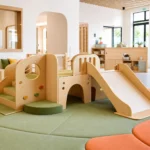
- Soft Play-Strukturen: Mehrstufige Plattformen mit Rutschen, Krabbeltunneln und Seilbrücken.
- Interaktive Spieltafeln: Musikalische Spiele, Lichtwände und Puzzles zur Förderung der kognitiven Fähigkeiten.
- Rollenspiel-Ecken: Küchen, Läden oder Theater für phantasievolles Spielen.
- Abenteuerliche Eigenschaften: Kletterwände, Netztürme und Seilbahnen.
- Sinnliche Spielelemente: Strukturierte Wände, Geräusche und visuelle Effekte für integratives Spielen.
Qualität der Materialien
KoalaPlay verwendet:
- Pulverbeschichtete Stahlrahmen für eine lang anhaltende Struktur.
- Hochverdichtete Schaumstoffpolsterung mit antimikrobiellen Vinylbezügen.
- Stoßdämpfender Bodenbelag um das Verletzungsrisiko zu verringern.
- Kratzfeste Platten für berührungsintensive Oberflächen.
Die Investition in hochwertige Materialien senkt die Wartungskosten und sorgt dafür, dass der Spielplatz über Jahre hinweg seine optische Attraktivität behält.
5. Sicherheit und Zugänglichkeit leicht gemacht
Jedes KoalaPlay-Projekt entspricht den relevanten Sicherheitsstandards (ASTM, EN, CSA), aber wir halten die Sicherheit praktisch und leicht zu verstehen für Kunden.
Wesentliche Merkmale:
- Weicher Bodenbelag unter allen Spielbereichen.
- Leitplanken und Absperrungen auf Hochbahnsteigen.
- Abgerundete Kanten und verdeckte Bolzen.
- Zugangspunkte, die so bemessen sind, dass sie im Notfall von Erwachsenen betreten werden können.
- Zugängliche Spielelemente, damit Kinder mit allen Fähigkeiten teilnehmen können.
Bei der Sicherheit geht es nicht nur darum, Verletzungen zu vermeiden - es geht um Vertrauensbildung mit den Eltern, damit sie sich wohl fühlen und immer wieder kommen.
6. Budgetierung und Kostenplanung
Eine frühzeitige Budgetplanung ermöglicht es Ihnen, fundierte Entscheidungen über Design und Ausstattung zu treffen, ohne in letzter Minute Kompromisse eingehen zu müssen.
Typische Kostenaufschlüsselung
- Ausrüstung und Installation: 40-60% des Gesamtbudgets.
- Thematisierung und Dekoration: 10-20%.
- Bodenbeläge und Oberflächengestaltung: 5-10%.
- Mechanische, elektrische und sanitäre Anlagen: 15-25%.
- Gebühren für Genehmigungen, Versicherungen und Entwürfe: 5-10%.
Tipps zum Kostensparen
- Verwenden Sie modulare Entwürfe, damit Sie in späteren Phasen erweitern können.
- Wählen Sie vielseitige Spielgeräte, die mehrere Zwecke erfüllen.
- Suchen Sie nach Markenpartnerschaften, um Themenbereiche zu sponsern.
7. Design für die Erfahrung der Eltern
Eltern sind oft die Entscheidungsträger, ob sie einen Spielplatz besuchen - und ob sie länger bleiben. Ein Spielplatz, der ihren Komfort berücksichtigt, kann die Verweildauer deutlich erhöhen.
Elternfreundliche Funktionen
- Bequeme Sitze mit Rückenlehnen.
- Ladestationen für Telefone und Laptops.
- In der Nähe befindliche Erfrischungsmöglichkeiten oder Cafébereiche während des Spiels.
- Saubere Sanitäranlagen in unmittelbarer Nähe.
- Beschilderung mit freundlichen, klaren Regeln.
Wenn Eltern sich wohl fühlen und sich engagieren, werden sie eher einkaufen, essen gehen und den Spielplatz weiterempfehlen.
8. Betrieb: Planung über den Eröffnungstag hinaus
Ein schöner Spielplatz ist nur so gut wie seine alltägliche Verwaltung.
Stellenbesetzung
- Mindestens eine geschulte Aufsichtsperson pro 25-30 Kinder.
- Das Personal ist in Erster Hilfe und Kindersicherheit geschult.
Zeitplan für die Reinigung
- Stündlich: Wischen Sie stark beanspruchte Bereiche ab.
- Täglich: Böden fegen, wischen oder saugen; Ballspielplätze desinfizieren.
- Wöchentlich: Strukturen gründlich reinigen und auf Verschleiß prüfen.
Wartung
- Bewahren Sie Ersatzteile für schnelle Reparaturen auf.
- Protokollieren Sie die monatlichen Sicherheitsinspektionen.
9. Vermarktung Ihres Spielplatzes
Selbst in einem stark frequentierten Einkaufszentrum, Sensibilisierungsmaßnahmen Besuche.
Vor dem Start
- Teilen Sie in den sozialen Medien aktuelle Informationen über die Bauarbeiten hinter den Kulissen.
- Bieten Sie VIP-Mitgliedern des Einkaufszentrums oder örtlichen Elterngruppen Vorschautage an.
- Erstellen Sie Angebote für Frühbucher-Mitgliedschaften.
Nach dem Start
- Veranstalten Sie thematische Events wie den “Piratenabenteuertag” oder die “Weltraumforscherwoche”.”
- Führen Sie Werbeaktionen für Geburtstagsfeiern durch.
- Bieten Sie Treuekarten für wiederkehrende Besucher an.
Das Marketing sollte kontinuierlich sein - der Spielplatz ist nicht nur eine einmalige Attraktion, sondern ein lebendiger Teil der Marke des Einkaufszentrums.
10. Warum KoalaPlay wählen
KoalaPlay ist nicht nur ein Lieferant von Spielplatzgeräten. Wir sind ein Full-Service-Partner:
- Individuelle Designs, die zu Ihrem Raum, Thema und Ihrer Marke passen.
- Durchgehendes Projektmanagement vom Konzept bis zur Installation.
- Verpflichtung zur Einhaltung internationaler Sicherheitsstandards.
- Laufende Unterstützung bei Wartung, Upgrades und Marketing.
Unser Ziel ist es, Spielplätze zu schaffen, die Kinder zu begeistern, Eltern zu beruhigen und messbare Ergebnisse zu erzielen für Betreiber von Einkaufszentren.
Schlussfolgerung
Die Gestaltung eines Spielplatzes im Einkaufszentrum ist eine strategische Investition in das Kundenerlebnis und die langfristige Rentabilität. Die richtige Kombination aus durchdachtes Layout, ansprechendes Thema, langlebige Ausstattung und reibungsloser Betrieb sorgen dafür, dass Familien immer wieder kommen und Ihr Einkaufszentrum als Ziel weiterempfehlen.
Wenn Sie bereit sind, Ihr Einkaufszentrum in ein Familienmagnet, Das erfahrene Designteam von KoalaPlay steht Ihnen bei jedem Schritt zur Seite - von der ersten Skizze bis zum Eröffnungstag und darüber hinaus.
Referenzen
- ASTM International. F1918 - Soft Contained Play Equipment Standard.
- EN 1176 & EN 1177 - Europäische Normen für Spielplatzgeräte und -beläge.
- CSA Z614 - Spielplatznorm der Canadian Standards Association.
- ICSC. Der Einfluss von Familieneinrichtungen auf den Verkehr in Einkaufszentren.
- KoalaPlay Projektdaten und Kundenfallstudien.



 English
 Spanish
 German