
Ein Softplay-Verleih bietet tragbare, kleinkindsichere Indoor-Spielgeräte für Veranstaltungen an. Wählen Sie für den Anfang eine Altersgruppe (oft 1-5), stellen Sie 2-3 standardisierte Pakete zusammen, verlangen Sie einen Preis, der Lieferung/Aufbau/Reinigung abdeckt, und arbeiten Sie mit Checklisten für Inspektion und Hygiene. Erweitern Sie dann den Bestand auf der Grundlage von Buchungsdaten und Rückmeldungen der Veranstaltungsorte, nicht von Trends.
“Ein Set kaufen und vermieten” funktioniert selten langfristig. Ihr eigentliches Produkt ist ein wiederholbares Servicesystem - sicherer Aufbau, klare Abgrenzungen, schnelles Beladen, zuverlässige Ankunftszeitfenster und ein Reinigungsablauf, der auch an arbeitsreichen Wochenenden funktioniert. Diese betrieblichen Details entscheiden darüber, ob Sie wiederholte Buchungen erhalten oder Ihre Zeit mit der Bearbeitung von Beschwerden und Reparaturen verbringen.
In diesem Leitfaden wird erklärt, was der Verleih von Plüschspielen ist, warum er funktioniert, wie die Rentabilität aufgebaut ist, auf welche Altersgruppen man abzielt, ob man ein Lager benötigt, wie man den richtigen Anbieter auswählt (und wie KoalaPlay Ihr Projekt unterstützt) und wie man konsequent vermarktet, ohne das Budget zu sprengen.
Was ist ein Softplay-Verleihgeschäft?
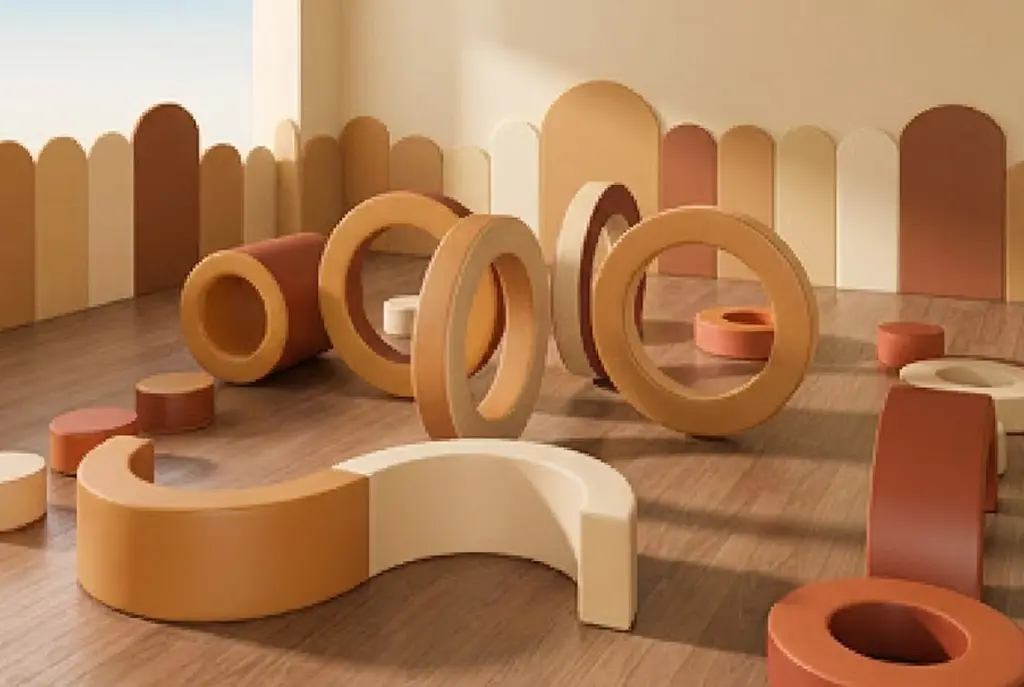
A Softplay-Verleihgeschäft bietet zeitlich begrenzte, ereignisorientierte Spielmöglichkeiten für Kleinkinder. Anstatt ein festes Indoor-Spielzentrum zu betreiben, können Sie liefern Softplay-Geräte zum Veranstaltungsort des Kunden, Sie können sie für ein bestimmtes Zeitfenster einrichten und nach dem Ereignis wieder entfernen.
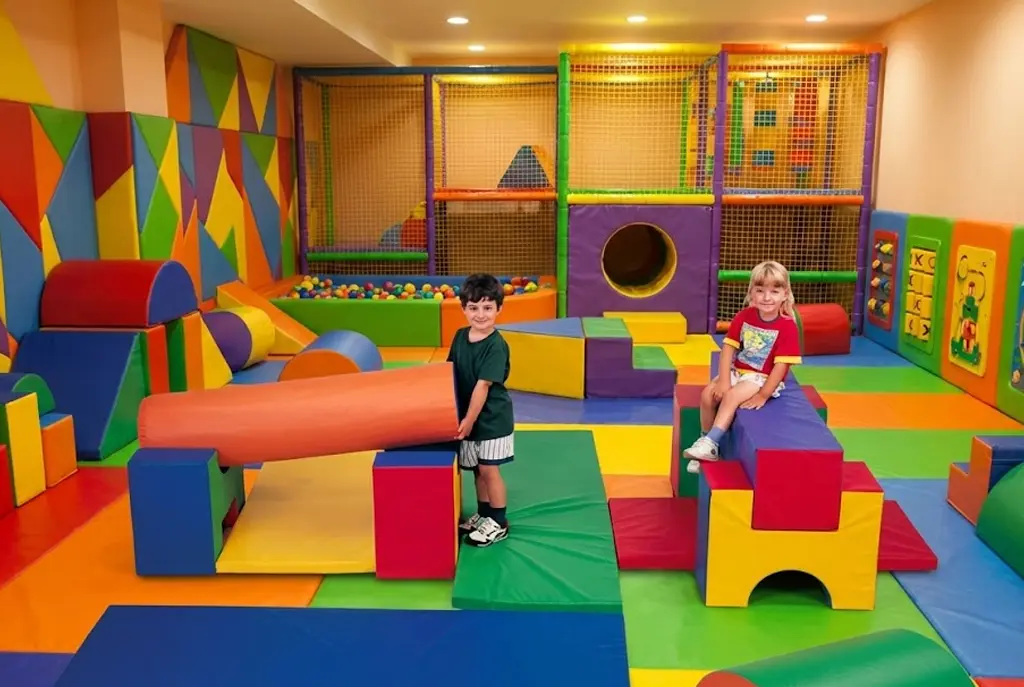
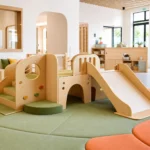
Die meisten Mietpakete enthalten folgende Leistungen Schaumstoffklettergerüste, kleine Rutschen, Ballgruben, Krabbeltunnel, gepolsterte Matten und thematische Spielfiguren. Diese Aufbauten werden üblicherweise verwendet für Geburtstagsfeiern, Gemeindeveranstaltungen, Schul- oder Kita-Aktivitäten und Familienzusammenkünfte. Der Vermieter übernimmt in der Regel Transport, Montage, Sicherheitskontrolle und Abholung, Damit ist es eine schlüsselfertige Option für Eltern und Veranstalter, die einen sicheren, fotofreundlichen Spielbereich wünschen, ohne Geräte kaufen oder in einer speziellen Einrichtung unterbringen zu müssen.
Was sind die Vorteile des Verleihs von Soft Play?
Ein häufiges Missverständnis ist, dass Vermietungen “passives Einkommen” sind. Das sind sie nicht. Aber das Modell ist attraktiv, weil es schneller skalieren kann als ein fester Veranstaltungsort wenn Sie die Abläufe standardisieren.
Die wichtigsten Vorteile (bei professioneller Ausführung):
- Zuverlässiges Nachfragesegment: Veranstaltungen für Kleinkinder und Vorschulkinder finden das ganze Jahr über statt, und viele Familien buchen für Geschwister und Freunde nach.
- Modulare Skalierung: Sie können mit einem Kern-Kit beginnen und dann auf ein zweites Kit oder thematische Upgrades erweitern, sobald die Auslastung gleichmäßig ist.
- Flexibler Kundenmix: private Geburtstage, Gemeindeveranstaltungen, Studio/Café-Pop-ups und werktägliche Sitzungen durch Partner.
- Zusätzliche Einnahmen ohne Verdoppelung der Komplexität: zusätzliche Zaunpaneele, eine erweiterte Mattenumrandung, eine Aufwertung des Ballspielplatzes oder eine thematische Fotokulisse.
Soft Play kann im Betrieb einfacher zu warten sein als einige schwere Strukturen, weil es tragbar und kontrollierbar-Sie können Abnutzungserscheinungen erkennen und Probleme vor dem nächsten Ereignis beheben, sofern Sie eine disziplinierte Routine haben.
Ist der Verleih von Plüschtieren rentabel?
Der häufigste Fehler bei der Rentabilitätsberechnung besteht darin, die Preise nur auf der Grundlage von “Gerätekosten ÷ Anzahl der Vermietungen” festzulegen. In Wirklichkeit wird Ihr Gewinn von der Auslastung, der Routeneffizienz, der Reinigungszeit und der Reparaturrate bestimmt - vor allem nach den ersten 8-12 Wochen, wenn Verschleißmuster offensichtlich werden.
Ein Softplay-Verleih kann rentabel sein, wenn Sie die Pakete standardisieren, den Service-Radius frühzeitig begrenzen und die Kosten pro Buchung (Arbeit + Transport + Reinigung + Reparaturen) verfolgen. Viele Betreiber streben zunächst eine konstante Wochenendauslastung an und fügen dann über Partnereinrichtungen und wiederkehrende Kleinkindprogramme Buchungen für Wochentage hinzu.
Um die Rentabilität wie ein professioneller Unternehmer zu bewerten, benötigen Sie drei Zahlen: (1) Buchungen pro Monat, (2) Bruttomarge pro Buchung, (3) Amortisationsdauer der Bestände. Ein realistisches Modell für die Anfangsphase könnte wie folgt aussehen:
- Einführungsphase (Monat 1-2): 4-8 Buchungen/Monat (Lernen + Bewertungen)
- Stabilisierung (Monat 3-6): 10-18 Buchungen/Monat (Wiederholungen + Empfehlungen)
- Skala (Monat 6+): 18-30+ Buchungen/Monat (Routen + Veranstaltungspartner)
Was die Gewinnspanne bestimmt
- Liefer- und Einrichtungszeit: Wenn Ihr Standardpaket 90 Minuten zum Verladen, Installieren und Abholen benötigt, steigen Ihre Arbeitskosten schnell an.
- Intensität der Reinigung: Ball Pits und weiße Oberflächen sehen toll aus, erfordern aber eine stärkere Reinigungsdisziplin.
- Beschädigungen und fehlende Teile: Häufiges Ein- und Auszählen und klare Regeln verringern Verluste.
- Ausfallzeit: Eine gerissene Naht oder ein fehlendes Zubehörteil kann mehrere Buchungen verhindern.
| Gewinnhebel | Typischer Zielbereich | Praktische Maßnahmen, die Sie kontrollieren können |
|---|---|---|
| Rüstzeit + Abholzeit pro Auftrag | ~ca. 60-150 Minuten insgesamt | Verpacken nach Zonen, Beschriftung von Behältern, Standardisierung von Layouts |
| Reinigung + Trocknungszeit pro Auftrag | ~ca. 45-120 Minuten | “Sauberer Arbeitsablauf beim Entladen, schnell trocknende Ventilatoren |
| Service-Radius | ~10-25 Meilen Basis | Zonenabhängige Zustellgebühren über den Basisradius hinaus |
| Inventar-Rückzahlungsziel | ~ca. 3-12 Monate (abhängig) | Erweitern Sie erst nach 8-12 Wochen der Buchungsdaten |
Für tiefere Überlegungen zur Nutzung und zur Logik des Geschäftsmodells (vor allem, wenn Sie später auch einen festen Veranstaltungsort in Betracht ziehen), ist dies hilfreich: Wie Sie beurteilen können, ob ein Indoor-Spielplatz rentabel sein kann: Ein vollständiger Leitfaden.
Auf welches Alter der Zielgruppe sollten Sie sich konzentrieren?
Neue Unternehmen versuchen oft, alle - Kleinkinder, große Kinder und altersgemischte Gruppen - mit einem Set zu bedienen. Das führt in der Regel zu Sicherheitskonflikten, schwachen Grenzen und unzufriedenen Eltern, weil sich die Zone nicht wirklich “altersgerecht” anfühlt.”
Für die meisten Softplay-Verleihunternehmen ist die zuverlässigste Zielgruppe die Altersgruppe 1-5, mit dem “Sweet Spot” des Kerns um 1-3 für geschlossenes Spiel und 3-5 für Klettern + Rollenspielerweiterungen.
Aus der Sicht des Herstellers und der Käufer-Evaluierung wirkt sich die Altersbestimmung auf alles aus: die Höhe der Teile, die Wahrnehmung des Sturzrisikos, die Dichte des Layouts, der Überwachungsbedarf und die Arten von Veranstaltungsorten, die für Ihre Einrichtung in Frage kommen. Kleinkinder brauchen einen kontrollierten Zugang, weichere Kanten, niedrigere Profile und eine klare Trennung von Lebensmitteln und Verkehrswegen. Ältere Kinder brauchen eine größere Herausforderung und mehr Platz, was zu einer größeren Grundfläche und höheren Transportkosten führt.
Praktische altersgerechte Verpackungslogik
- 1-2 Jahre: kleinere Formen, weniger “Kletterpunkte”, mehr offener Krabbelraum, sensorische Paneele, kleine Wipp-/Ride-on
- 3-5 Jahre: Treppe + kleine Rutsche hinzufügen, strukturiertere Hindernisstrecke, einfache Rollenspielecke
- Altersmischung (später fakultativ): getrennte Bahnen oder zeitlich begrenzte Regeln - vermeiden Sie die Vermischung von Kleinkindern mit energiegeladenem Spiel in einer Zone
Ein wichtiger Ratschlag für den Betrieb ist, den Sitzungskomfort“ und nicht die maximale Dichte zu planen. Eine Überbelegung verringert die gefühlte Sicherheit und erhöht den Reinigungsaufwand. Eine praktische Regel für den Anfang ist es, Folgendes anzustreben eine erwachsene Aufsicht in Sichtweite in der gesamten Zone, ohne Sichtbehinderung.
Müssen Sie ein Lagerhaus für die Lagerung mieten oder kaufen?
Bei der Lagerung geht es nicht nur darum, “wo man etwas aufbewahrt”. Es hat Einfluss darauf, wie schnell Sie laden, wie sauber Sie bleiben und wie oft Teile verloren gehen. Viele Unternehmen beginnen zu Hause und ziehen später in ein gemietetes Lager um, sobald die Buchungen konstant sind.
Ein praktischer Entscheidungsweg:
- Start (0-10 Buchungen/Monat): Die heimische Garage oder ein spezieller Raum kann funktionieren, wenn er trocken, sauber und organisiert bleibt.
- Wachstum (10-25 Buchungen/Monat): Ein kleines gemietetes Lager oder ein kleines Lager verbessert die Versandgeschwindigkeit und die Kontrolle der Sauberkeit.
- Maßstab (25+ Buchungen/Monat oder mehrere Crews): Ein größeres Lager ist nützlich für mehrere Pakete, den Bestand an Dekoration und die Arbeitsabläufe der Mitarbeiter.
Die eigentliche Anforderung ist die Trennung der Arbeitsabläufe:
- Dirty-Return-Zone: Schnellinspektion, Fleckenbehandlung, Einzählung
- Saubere/trockene Zone: Abwischen, ggf. Desinfektion, Trocknen
- Verpackungsfertige Zone: jedes Paket gezählt, etikettiert und versandfertig gemacht
Wenn Sie eine langfristige Betriebsdisziplin aufbauen wollen, ist das Verständnis der Risikokategorien (Haftpflicht, Eigentum, Transport) nützlich: Der ultimative Leitfaden für eine umfassende Versicherung für Indoor-Spielplätze.
| Option Lagerung | Wenn es passt | Watch-outs |
|---|---|---|
| Gewidmeter Wohnbereich | Frühe Testphase | Feuchtigkeit, Verschmutzung, langsameres Laden |
| Selbstlagerungseinheit | 10-20 Buchungen/Monat | Begrenzte Reinigungsfläche, Zugangszeiten |
| Kleines Lagerhaus | Wachsende Nachfrage | Versicherungsanforderungen, Versorgungsleistungen, Sicherheitsvorschriften |
| Kauf eines Lagerhauses | Ausgereifte Operationen | Hohe Fixkosten, Standortrisiko, langfristige Verpflichtung |
Wie findet man den richtigen Lieferanten und Indoor-Weichspielgeräte-und wie kann KoalaPlay helfen?
Ein häufiges Fehlerbild ist die Auswahl von Ausrüstung auf der Grundlage von Fotos und nicht von Haltbarkeit, Reinigungsfähigkeit und Verpackungslogik. Das Ergebnis sind häufige Nahtaufbrüche, Fleckenbildung, instabile Layouts oder ein Bausatz, der toll aussieht, aber zu lange zum Laden braucht.
Entscheiden Sie sich für einen Anbieter, der Materialien in handelsüblicher Qualität, ein modulares Design, eine einheitliche Qualitätskontrolle und eine Dokumentation bietet, die Ihnen hilft, sicher und professionell zu arbeiten.
Fragen Sie aus der Sicht des Käufers nach der Bewertung der Lieferanten:
- Werkstoffsystem: abwischbare, abriebfeste Oberflächen; gegebenenfalls Deklarationen über ungiftige Materialien
- Naht- und Verstärkungsstrategie: Verschleißpunkte, Nahtdichte, hochbelastete Eckenverstärkung
- Modularität: Können Sie Layouts umgestalten, ohne weitere Teile zu benötigen?
- Verpackung und Transport: Stapelbarkeit, Schutzverpackung, Verfügbarkeit von Ersatzteilen
- Dokumentation: Gestaltungsvorschläge, Packliste/BOM, Pflege- und Wartungshinweise
KoalaPlay kann Softplay-Verleiher als “Lösung” unterstützen - das heißt, wir liefern nicht nur Produkte. Wir helfen Ihnen, Pakete und Layout-Logik zu definieren, die zu Ihren Zielaltersgruppen und Veranstaltungsorten passen, und bauen dann Ausrüstungssets, die praktisch zu bedienen sind:
- Planung des Pakets: Kompakt-/Standard-/Premium-Sets, die auf realen Fußabdrücken basieren
- Vorschläge für Layout und Zonierung: Zugangskontrolle, Grenzgestaltung, Überwachung der Sichtlinien
- Schwerpunkt kommerzielle Haltbarkeit: Materialien und Konstruktionsdetails, die auf häufigen Transport und Reinigung abgestimmt sind
- Konsistente Ergebnisse: Packliste, grundlegende Anleitung zur Gebietseinteilung und Unterstützung bei der Erneuerung Ihrer Flotte
Wenn Sie sehen wollen, wie ein professioneller Hersteller über Produktkategorien und Qualitätserwartungen denkt, ist dies ein nützlicher Bezugspunkt: Bester Hersteller von Spielplatzgeräten für Kinder.
Für weitere Design-Ideen von Indoor-Spielplatzgeräten, klicken Sie hier.
| Checkliste für Lieferanten | Wie “gut” aussieht | Warum es bei der Vermietung von Bedeutung ist |
|---|---|---|
| Materialien + Verarbeitung | Abwischbar, langlebig, konsistente Farbchargen | Schnellere Reinigung; weniger Beschwerden |
| Qualität der Verarbeitung | Verstärkte Nähte + stabile Böden | Geringere Reparaturrate und Ausfallzeiten |
| Modularität | Mehrere Layouts aus einem Bausatz | Höhere Auslastung pro Anlage |
| Unterstützung bei Ersatzteilen | Auswechselbare Stücke/Teile | Vermeiden Sie die Stornierung von Buchungen |
| Dokumentation | Packliste + Pflegeanleitung | Ausbildung und Kohärenz des Personals |
Wie vermarkten Sie Ihr Softplay-Verleihgeschäft?
Viele Eigentümer verlassen sich nur auf Instagram-Fotos und bleiben bei “Likes, aber nicht Buchungen” hängen. Softplay-Vermietungsmarketing funktioniert am besten, wenn man es wie lokale Dienstleistungen behandelt: Sichtbarkeit, Vertrauenssignale und reibungslose Buchung.
Ihr Marketing sollte sich auf drei Werte stützen: (1) Verpackungen, (2) Nachweis, (3) Partner.
1) Pakete (Übersichtlichkeit wird verkauft)
- Veröffentlichen Sie 2-3 Pakete mit genauen Angaben zu Größe, Alter, Inhalt und Anforderungen an den Veranstaltungsort.
- Verwenden Sie einheitliche Bezeichnungen (Compact / Standard / Premium), damit die Kunden selbst entscheiden können.
2) Beweise (Vertrauen verkauft sich)
- Sammeln Sie frühzeitig Bewertungen (die ersten 10-20 Buchungen) und zeigen Sie sie überall an.
- Stellen Sie “echte Einrichtungsfotos” mit einem sauberen, einheitlichen Winkel ein, damit sich die Eltern ein Bild vom Maßstab machen können.
- Zeigen Sie Ihre Reinigungs- und Inspektionsdisziplin, ohne zu viel zu erklären (ein einfaches Foto einer Checkliste genügt).
3) Partner (Werktagsverkauf)
- Partnerschaften mit Cafés, Ateliers, Gemeindezentren für Wochentagsveranstaltungen.
- Bieten Sie berechenbare Zeitfenster und Optionen zur Umsatzbeteiligung an, wenn Ihr lokaler Markt dies unterstützt.
Kanäle, die normalerweise für Vermietungen genutzt werden
- Google Business Profile + lokale SEO-Seiten (Servicebereiche, “Softplay-Verleih in meiner Nähe”)
- Kurzes Video, das die Umwandlung des Aufbaus zeigt (Ankunft → saubere Zone → bereit zum Spielen)
- Partnerschaften mit Veranstaltungsorten und Empfehlungsvereinbarungen
- Elterngemeinschaftsgruppen (mit klaren Buchungslinks, nicht nur DMs)
Für inhaltliche Ideen können Sie auch studieren, wie Spielcafés Wiederholungsbesuche und Programmnachfrage anziehen - und diese Mechanismen dann in Pop-up-Sessions und Partnerveranstaltungen adaptieren. Dieser Artikel kann diese Überlegungen unterstützen: Spielcafé-Trends: Gestalten Sie die Zukunft des Spielcafés.
Schlussfolgerung
Ein Softplay-Verleih ist rentabel und skalierbar, wenn Sie ihn als standardisierte Dienstleistung betrachten - und nicht als eine Sammlung von niedlichen Geräten. Beginnen Sie mit einer klaren Altersvorgabe (oft 1-5), bieten Sie 2-3 wiederholbare Pakete mit definierten Grundflächen an und legen Sie einen Preis fest, der Lieferung, Aufbau, Reinigung und Reparaturen abdeckt. Verwenden Sie Checklisten, um die Qualität zu sichern: Inspektion vor jedem Auftrag, Ein- und Auszählen und eine einheitliche Reinigungsroutine. Erhöhen Sie die Lagerhaltung nur, wenn das Volumen dies erfordert, und erweitern Sie den Bestand auf der Grundlage von 8-12 Wochen realer Buchungsdaten. Wenn Sie uns Ihre typischen Veranstaltungsorte sowie einen einfachen Grundriss und die Deckenhöhe mitteilen, können wir Ihnen einen Vorschlag für die Grundaufteilung und die Größe des Startpakets unterbreiten - oder Sie können eine Budget-Checkliste/BOM-Vorlage für die Planung Ihres ersten Einkaufs anfordern.
Referenzen
ASTM International. (2021). ASTM F1918-21: Standard-Sicherheitsleistungsspezifikation für Soft Contained Play Equipment. https://www.astm.org/f1918-21.html
Centers for Disease Control and Prevention. (2024). Wann und wie eine Einrichtung zu reinigen und zu desinfizieren ist. https://www.cdc.gov/hygiene/about/when-and-how-to-clean-und-desinfizieren-eine-Einrichtung.html
U.S. Small Business Administration. (2025). Wählen Sie eine Unternehmensstruktur. https://www.sba.gov/business-guide/launch-your-business/choose-business-structure
Bundessteuerbehörde. (2025). Erhalten Sie eine Arbeitgeberidentifikationsnummer (EIN). https://www.irs.gov/businesses/small-businesses-self-employed/get-an-employer-identification-number



 English
 Spanish
 German