
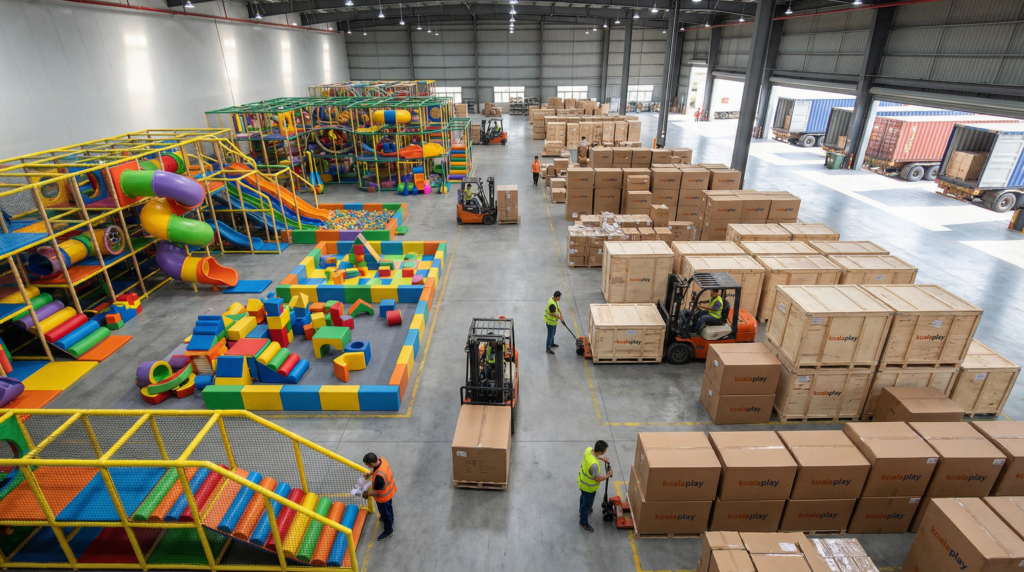
Sie haben recherchiert, die Kosten verglichen und eine strategische Entscheidung getroffen: Sie beziehen Ihre Indoor-Spielplatzgeräte aus China und fragen sich, wie Sie Indoor-Spielplatzgeräte aus China importieren können. Diese Entscheidung ist der erste Schritt auf dem Weg zu einer größeren, eindrucksvolleren Anlage, während Sie gleichzeitig Ihre Anlaufkosten unter Kontrolle halten.
Doch für viele US-Unternehmer ist der eigentliche Prozess der einführen.-Der Umgang mit Seefracht, Zollagenten und dem Finanzamt kann sich wie eine entmutigende Blackbox anfühlen. “Was ist, wenn es beim Zoll hängen bleibt?” “Wie zahle ich die Zölle?” “Was sind Incoterms?”
Importieren Indoor-Spielplatzgeräte Aus China ist nicht schwer
Die Wahrheit ist, dass der Import ein strukturierter, überschaubarer Prozess ist, den Tausende von amerikanischen Kleinunternehmen jeden Tag durchlaufen. Dieser Leitfaden entmystifiziert die Reise und bietet Ihnen einen klaren, schrittweisen Fahrplan von der Fabrikhalle in China bis zur Eröffnung Ihres Spielcenters in den USA.
Schritt 1: Auswählen Ihr Partner für die Herstellung von Spielplatzgeräten (Vetting)
Der Erfolg Ihrer Importreise beginnt lange vor dem Beladen des ersten Schiffscontainers. Er beginnt mit der Wahl eines Lieferanten, dem Sie vertrauen können.
- Überprüfen Sie die Sicherheitszertifikate: In den USA werden Ihre Geräte muss nachkommen ASTM F1918-12 (für weiches Spiel in geschlossenen Räumen) und CPSC Leitlinien. Fragen Sie nach aktuellen Prüfberichten von Drittlaboratorien wie SGS oder TUV.
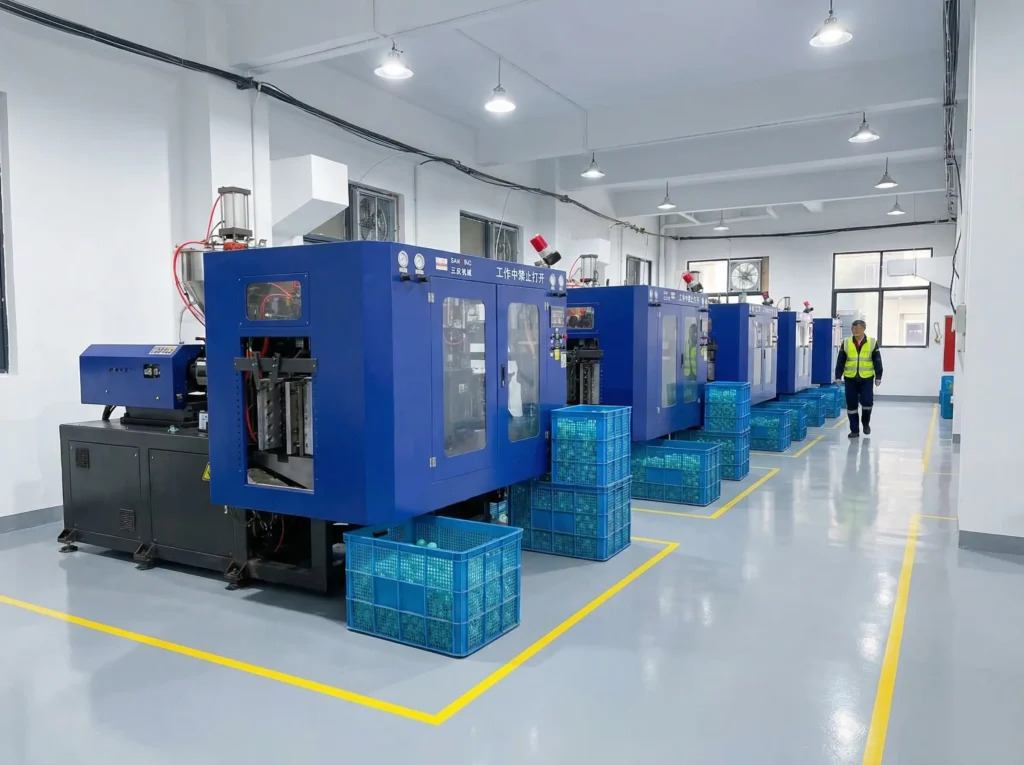
- Fordern Sie eine virtuelle Werksbesichtigung an: Nutzen Sie Videoanrufe, um sich ein Bild von der Produktionslinie, der Qualität der Materialien (Stahlstärke, Schaumstoffdichte usw.) und der Organisation der Fabrik zu machen.
- Prüfen Sie U.S.-Referenzen: Ein seriöser Hersteller wie Koalaplay verfügt über ein Portfolio erfolgreicher Projekte in den Vereinigten Staaten. Bitten Sie um ein Gespräch mit einem früheren Kunden über dessen Erfahrungen mit dem Versand- und Zollverfahren.
Schritt 2: Fertigstellung der Gestaltung und Zitat
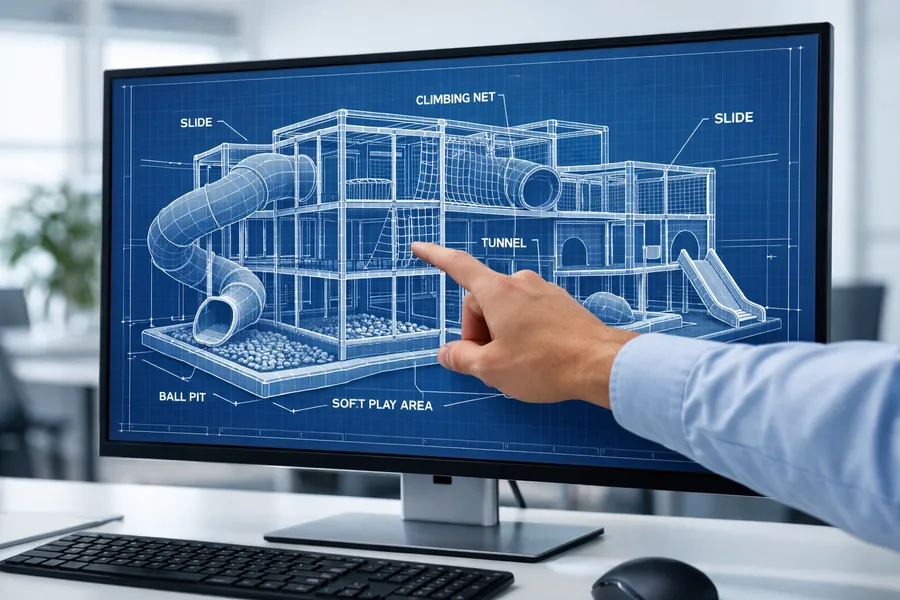
Sobald Sie sich für einen Partner entschieden haben, arbeiten Sie an der individuellen Gestaltung Ihres Spielplatzes.
- Das detaillierte Angebot: Ihr Angebot sollte detailliert sein. Es sollte alle wichtigen Komponenten, die verwendeten Materialien und den Preis auflisten.
- Incoterms: Der wichtigste Teil Ihres Vertrags: In den Incoterms (International Commercial Terms) wird festgelegt, wer für was während des Versandprozesses verantwortlich ist.
- FOB (frei an Bord): Der Lieferant liefert die Waren an den Hafen in China. Von diesem Zeitpunkt an sind Sie für alles verantwortlich (Seefracht, Versicherung, US-Zoll und lokale Lieferung).
- CIF (Cost, Insurance, and Freight): Der Lieferant übernimmt die Kosten für die Seefracht und die Versicherung bis zum nächstgelegenen Hafen in den USA. Sie kümmern sich um die Zollabfertigung und die Lieferung vom Hafen zu Ihrer Einrichtung.
- DDP (Delivered Duty Paid): Dies ist die “Goldstandard” für erstmalige Importeure. Der Lieferant (wie Koalaplay) übernimmt allesSeefracht, U.S.-Zollabfertigung, Zahlung aller Zölle/Tarife und Lieferung an Ihre Haustür. Sie erhalten einen All-inclusive-Preis.
Schritt 3: Verständnis der HS-Codes und Tarife
Jedes in die USA eingeführte Produkt wird mit einer 10-stelligen Nummer versehen. Harmonisiertes Zolltarifschema (HTS) Code. Dieser Code bestimmt den Zollsatz, den Sie zahlen müssen.
- Gemeinsame Codes für Spielplätze:
- 9506.99.6000: Wird häufig für allgemeine Spielplatzgeräte verwendet.
- 9503.00.0000: Wird für bestimmte Arten von Spielzeug und Spielgeräten auf Rädern verwendet.
- Abschnitt 301 - Zölle: Seit 2018 gelten für viele chinesische Waren zusätzliche “Section 301”-Zölle (oft 25%). Das klingt zwar hoch, aber die grundlegenden Herstellungskosten in China sind oft so viel niedriger als in den USA, dass die gesamten “Landed Costs” (Produkt + Versand + Zölle) immer noch deutlich billiger sind als der Kauf im Inland.
Schritt 4: Produktion und Qualitätskontrolle (QC)
Die Produktion dauert in der Regel 3-5 Wochen, je nach Größe Ihres Projekts.
- Fotos vom Fortschritt: Bitten Sie um wöchentliche Aktualisierungen und Fotos von den Bauarbeiten an Ihren Geräten.
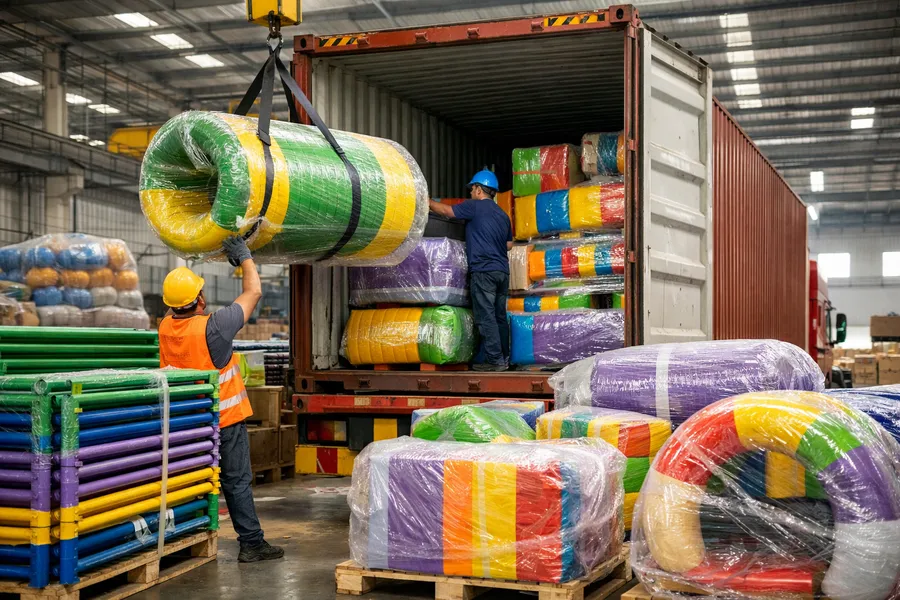
- Die Inspektion vor der Verschiffung: Bevor der Container versiegelt wird, sollte Ihr Hersteller eine letzte Qualitätskontrolle durchführen. Er sollte Ihnen Fotos der fertigen Komponenten und des Verladevorgangs schicken, um sicherzustellen, dass alles sicher verpackt ist, um Schäden während des Transports zu vermeiden.
Schritt 5: Seefracht und Dokumentation
Sobald die Produktion abgeschlossen ist, wird Ihre Ausrüstung in einen 20ft oder 40ft High Cube (HC) Container verpackt.
- Der Zeitstrahl: Der Seetransport von China an die Westküste der USA (LA/Long Beach) dauert etwa 18-22 Tage. An die Ostküste (NY/Savannah) dauert es 35-45 Tage.
- Wesentliche Dokumente: Wenn Sie keinen DDP-Versand verwenden, benötigen Sie (oder Ihr Zollagent):
- Konnossement (B/L): Das Eigentumsrecht an den Waren.
- Handelsrechnung: Angabe des Wertes für den Zoll.
- Packliste: Detaillierte Angaben zu jedem Gegenstand im Container.
- CPC (Zertifikat für Kinderprodukte): Der US-Zoll muss nachweisen, dass die Geräte den Sicherheitsstandards entsprechen.
Schritt 6: Zollabfertigung und endgültige Lieferung
Sobald sich das Schiff den USA nähert, beginnt das Zollabfertigungsverfahren.
- ISF (Importer Security Filing): Auch als “10+2” bekannt, muss dieses Formular mindestens 24 Stunden vor dem Eintreffen beim U.S. Zoll eingereicht werden. vor das Schiff verlässt China. Ihr Spediteur übernimmt diese Aufgabe.
- Der Zollspediteur: Wenn Sie kein DDP nutzen, beauftragen Sie einen lizenzierten US-Zollmakler, der die Einreise beantragt und die Zölle in Ihrem Namen entrichtet.
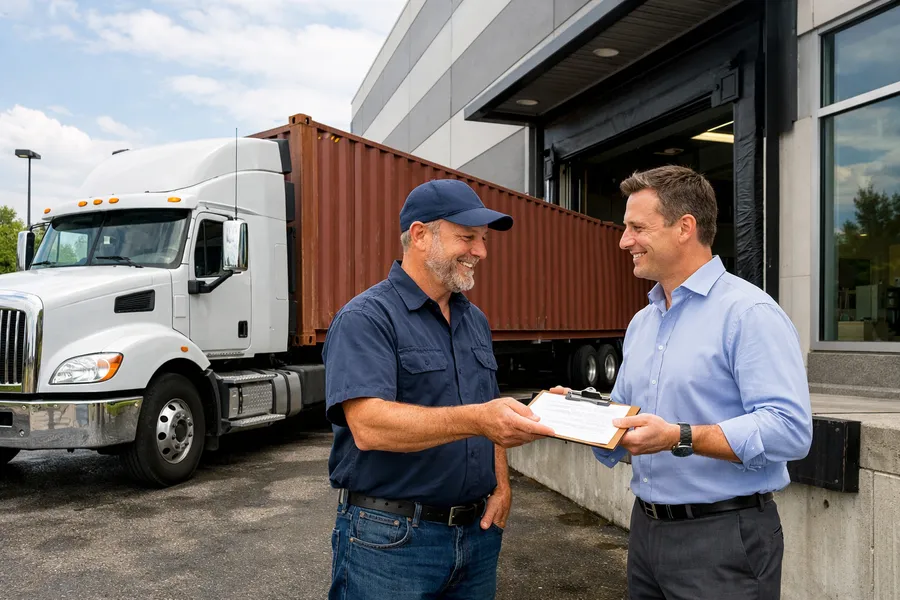
- Lieferung auf der letzten Meile: Nach der Freigabe wird der Container auf ein Lkw-Chassis geladen und zu Ihrem Standort geliefert. In der Regel haben Sie ein Zeitfenster von 2 Stunden, um den Container zu entladen, bevor Gebühren für das Zurückhalten anfallen.
Schritt 7: Installation und Sicherheitsaudit
Der Container ist da! Jetzt beginnt der eigentliche Spaß.
- Überprüfung des Inventars: Vergewissern Sie sich anhand Ihrer Packliste, dass alle Komponenten sicher angekommen sind.
- Professionelle Installation: Die meisten Hersteller stellen 3D-Handbücher zur Verfügung. Sie können ein lokales Team anheuern oder in einigen Fällen kann der Hersteller einen leitenden Supervisor schicken, der Ihr lokales Team anleitet.
- Das abschließende Sicherheitsaudit: Bevor Sie die Öffentlichkeit einweihen, beauftragen Sie einen Zertifizierter Spielplatz-Sicherheitsinspektor (CPSI) um ein abschließendes Audit durchzuführen. Dadurch wird sichergestellt, dass alles ordnungsgemäß installiert wurde und alle US-Sicherheitsstandards erfüllt sind - was Ihnen Sicherheit gibt und eine wichtige Dokumentation für Ihren Versicherer darstellt.
Warum Koalaplay Macht den Import von Indoor-Spielplatzgeräten einfach
Wir von Koalaplay haben uns darauf spezialisiert, Unternehmern dabei zu helfen, diesen Prozess stressfrei zu bewältigen. Wir bieten umfassende DDP-Versanddienstleistungen, Das bedeutet, dass wir die gesamte logistische Arbeit übernehmen. Sie brauchen sich keine Gedanken über HS-Codes, Zollagenten oder überraschende Hafengebühren zu machen. Wir liefern Ihren Traumspielplatz direkt zu Ihnen nach Hause, vollständig verzollt und mit allen Abgaben.
Häufig gestellte Fragen (FAQ)
Q1: Brauche ich eine Importlizenz, um in China einzukaufen?
A: Nein. In den USA benötigen Privatpersonen und Unternehmen keine spezielle “Lizenz” für die Einfuhr. Sie benötigen lediglich Ihre IRS Business Tax ID (EIN) oder Ihre Sozialversicherungsnummer für die Zollabfertigung.
F2: Wie hoch sind die “Landed Cost” insgesamt?
A: Anlandekosten = Produktpreis + Seefracht + Versicherung + Zölle/Tarife + Transportkosten vor Ort. Bitten Sie Ihren Lieferanten immer um einen Kostenvoranschlag für die Landkosten, damit es keine Überraschungen gibt.
F3: Wie kann ich meinen chinesischen Lieferanten sicher bezahlen?
A: Die meisten professionellen Transaktionen werden über Telegraphic Transfer (T/T) abgewickelt. In der Regel zahlen Sie eine Anzahlung von 30%, um mit der Produktion zu beginnen, und den Restbetrag von 70%, bevor die Ware versandt wird. Für zusätzliche Sicherheit nutzen viele Erstkäufer Plattformen wie Alibaba Trade Assurance.
F4: Was passiert, wenn das Gerät während des Transports beschädigt wird?
A: Aus diesem Grund ist die Seeversicherung so wichtig. Sie ist sehr erschwinglich (in der Regel etwa 0,3% des Ladungswerts) und deckt Sie gegen Verlust oder Beschädigung während der Seereise ab.
Referenzliste
- U.S. Customs and Border Protection (CBP): Leitfaden für die Einfuhr in die Vereinigten Staaten
- U.S. Consumer Product Safety Commission (CPSC): Obligatorische elektronische Einreichung von Bescheinigungen für 2026
- ASTM International: F1918-12 Norm für Soft Contained Play Equipment
- Internationale Handelskammer (ICC): Incoterms® 2020 Regeln
- U.S. Handelsministerium: Internationale Handelsverwaltung - China Country Commercial Guide
- Nationale Vereinigung für Freizeit und Park (NRPA): Programm zum zertifizierten Spielplatzsicherheitsinspektor (CPSI)










 English
 Spanish
 German