
Families are actively looking for “one-stop” spaces where children can play safely while adults can sit comfortably, work briefly, or socialise without chasing kids around a public venue. That demand is why the play cafe format—café + curated indoor play—keeps showing up in malls, neighbourhood high streets, and mixed-use communities.
For an operator, a play cafe is not only a concept decision. It is a project decision: lease terms, fit-out speed, safety risk control, staffing and cleaning workload, and how quickly you can reach stable daily throughput. Small layout mistakes can create long-term operational friction, while the right zoning can reduce labour hours and increase repeat visits.
This guide walks through the practical steps to start a play cafe—from feasibility and layout planning to approvals and procurement—then breaks down typical cost ranges and what drives them, so you can build a realistic launch plan without guesswork.
To start a play cafe, you typically validate demand, choose a code-appropriate venue, plan zones (toddler + main play + café visibility), confirm permits/insurance, then complete design, manufacturing, shipping, and installation. Total startup cost often ranges widely (commonly mid–six figures), driven by rent/fit-out, play equipment, kitchen build, and local compliance needs.
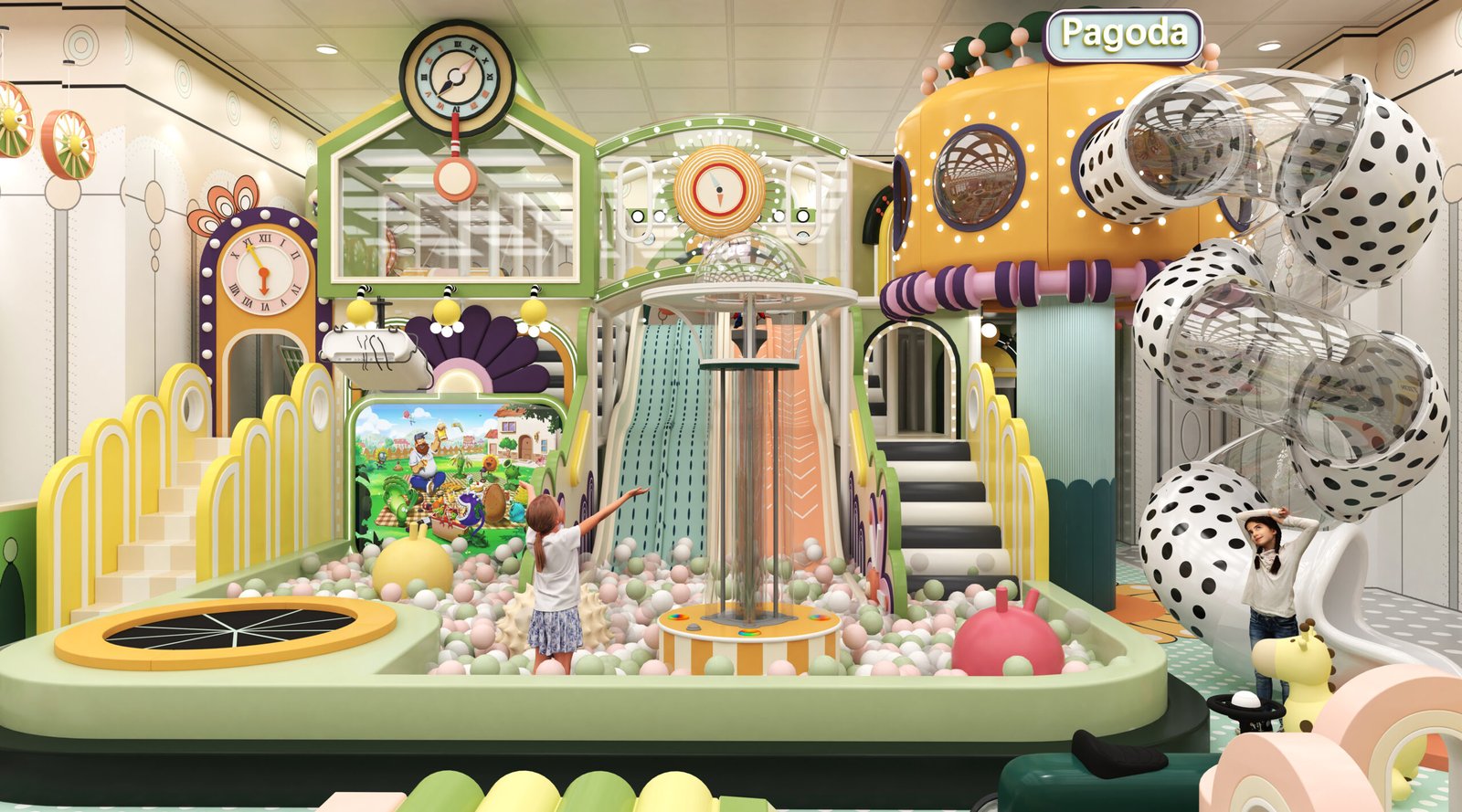
What business model and site plan should you lock before signing a lease?
Many first-time owners start with a theme moodboard and menu ideas, then sign a lease before confirming whether the space can actually support safe circulation, visibility, and occupancy rules. The risk is costly rework: moving walls, changing exits, adding fire protection, or shrinking play areas after the fact.
Before you sign, lock a simple model: who you serve, how you charge, and how the space flows. A clear site plan also helps you estimate real capacity (not just “looks big enough”).
A workable starting point is: pick one primary revenue engine (tickets, memberships, or parties), then design the space and staffing around peak-hour throughput and supervision lines.
In manufacturing-led projects, we see a typical timeline like this (ranges vary by theme complexity, approvals, and shipping method):
| Stage | What gets approved/done | Typical time range |
|---|---|---|
| Feasibility + lease due diligence | basic zoning, exits, ceiling height, utilities, visibility | 2–6 weeks |
| Concept + CAD layout | circulation, age zoning, sightlines, equipment footprint | 2–4 weeks |
| 3D rendering + pricing freeze | finishes direction, BOM alignment, cost control | 1–3 weeks |
| Production + packing | numbered parts, QC, export-ready packing list | 4–10 weeks |
| Shipping + customs | freight/duties, local delivery scheduling | 2–8 weeks |
| Installation + punch list | assembly, net tensioning, safety check, signage | 1–4 weeks |
From a supplier/manufacturer perspective, the earlier you confirm usable area, ceiling height, columns, entrances/exits, and HVAC constraints, the faster we can generate a CAD layout and an installation-ready package. If you want a deeper view of how a supplier supports zoning and risk control, see how an indoor playground supplier supports safe, fun zones in the context of play cafes.
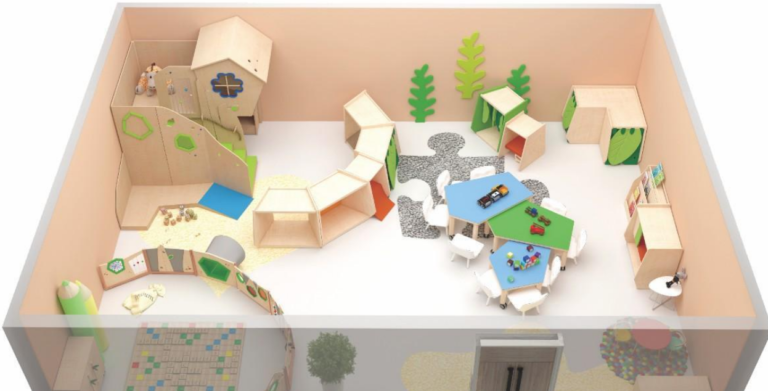
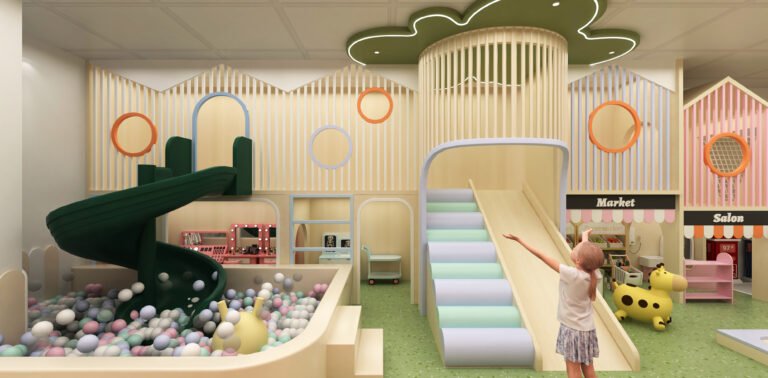
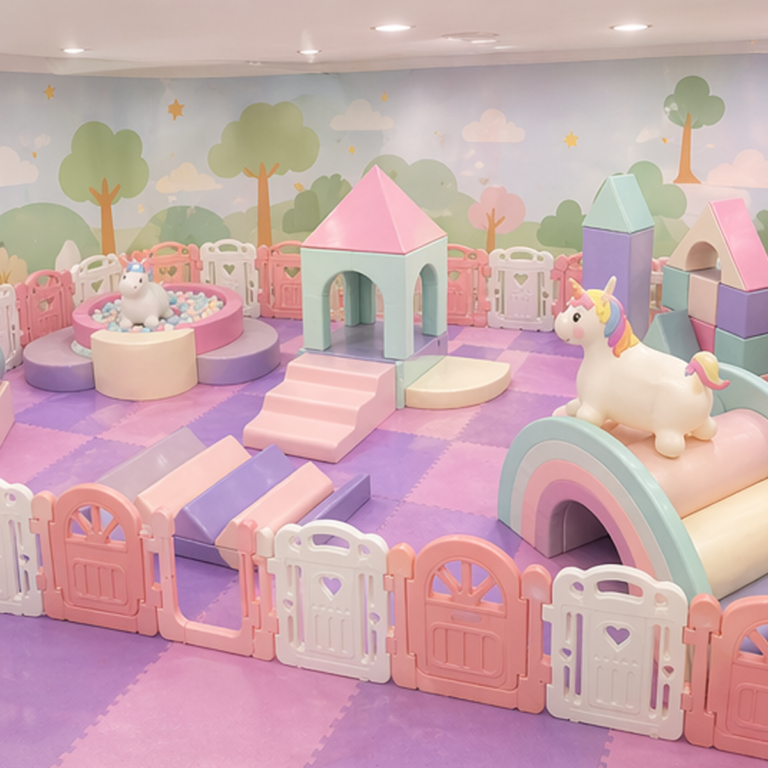
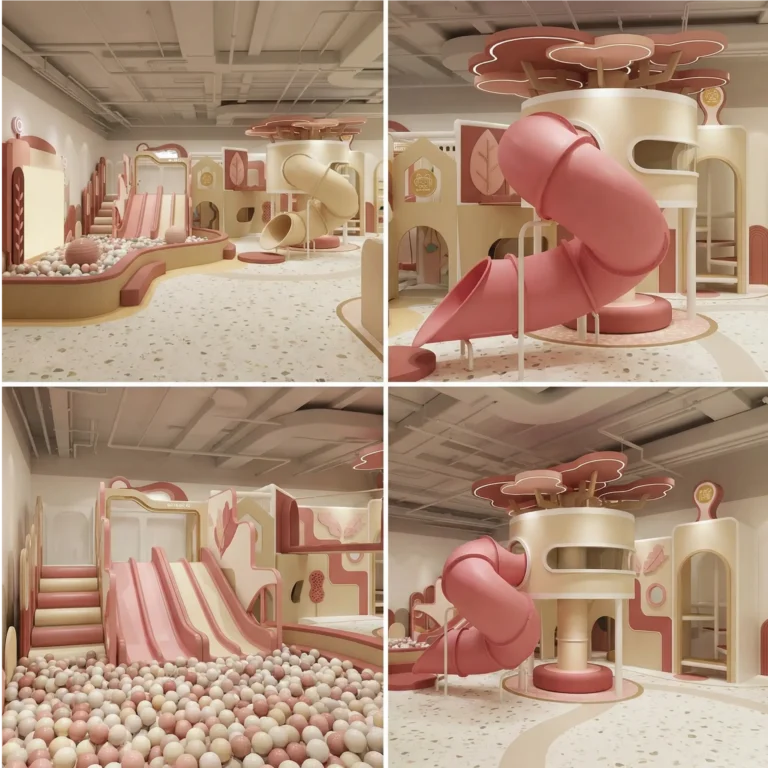
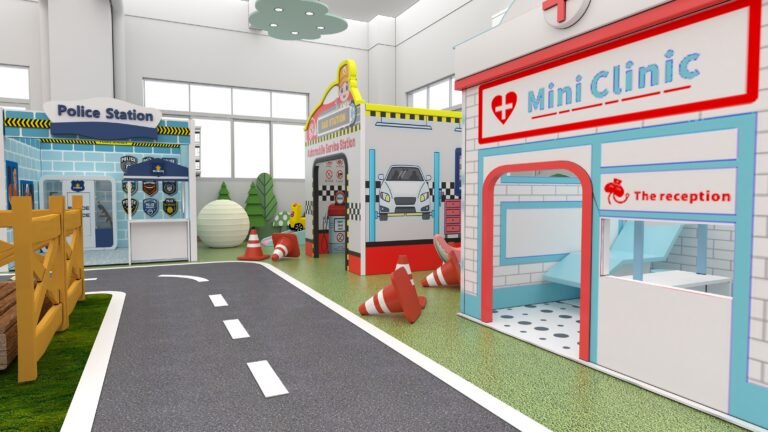
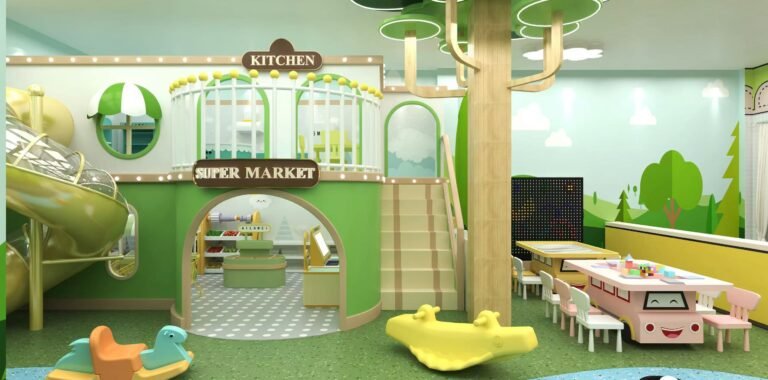
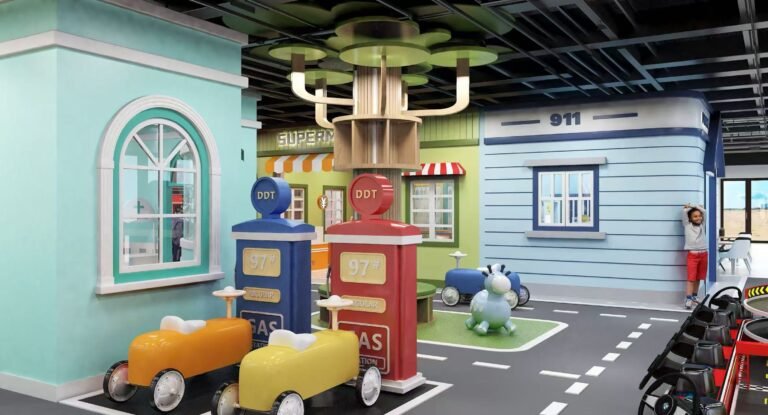
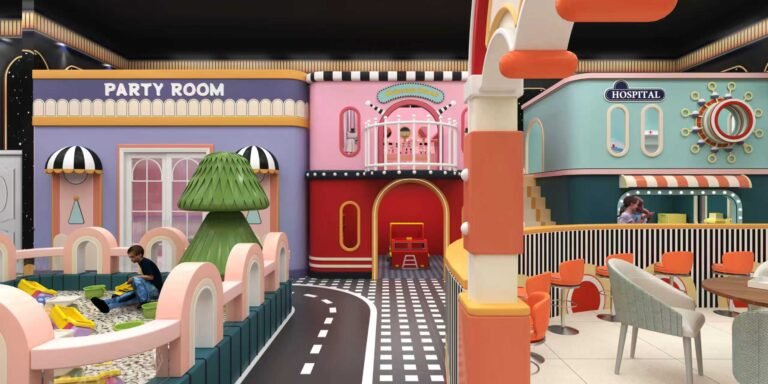


How do you design zones and capacity for a profitable play cafe layout?
A common misconception is “more play equipment = more value.” In reality, profit is usually constrained by supervision, queuing, cleaning access, and whether parents can see children from seating. Over-packed layouts look exciting on day one and become maintenance-heavy by month three.
Design the layout around age separation + visibility + throughput. For most venues, you want toddlers separated from fast-moving older kids, clear staff sightlines, and a circulation loop that prevents bottlenecks at shoes/lockers, toilets, and party rooms.
Aim for a zoning mix that fits your revenue strategy (tickets vs memberships vs parties). A practical baseline (often adjusted for local habits and your menu focus) looks like this:
| Zone | Typical area share (range) | Why it matters operationally |
|---|---|---|
| Toddler soft play (0–3) | 10–20% | reduces conflict, supports weekday traffic |
| Main soft play (3–8/10) | 25–40% | core play value + repeat visits |
| Café seating + service | 25–40% | dwell time, parent comfort, higher conversion |
| Party / private room(s) | 5–15% | higher-margin bookings, predictable blocks |
| Entry / shoes / lockers / stroller | 5–10% | controls congestion + hygiene routine |
| Support (toilets, storage, staff) | 8–15% | cleaning speed, stock flow, compliance |
For capacity planning, use ranges (because play density depends on age mix and your rule set). Many operators start with a target of 1 child per ~2–4 m² of active play area as a rough planning range, then refine based on attractions and supervision. If your café seating is comfortable and sightlines are good, you can often hold families longer without creating chaos on the play floor—this affects both F&B conversion and staffing rhythm.
Operational details that prevent daily friction:
- One controlled entry to the play zone (wristbands, waiver check, shoe policy).
- Clear cleaning access to high-touch corners (slides, ball areas, role-play kitchens).
- Parent sightlines from 70–90% of seating to the main play structure where possible.
- Queue points for popular elements (slide tower, tramp area, role-play checkout) so lines don’t block walkways.
If you’re still defining what a play cafe is and what models exist globally, a helpful background is The Complete Guide to Play Cafes: Concept, Business Model, and Future Trends—then come back to refine your CAD layout and 3D rendering decisions.
What permits, safety standards, and documentation should you plan for?
Some owners treat compliance as a final checkbox. The better approach is to treat it as a design input, because requirements can change exits, interior finishes, fire performance, and even how you separate café and play functions.
At minimum, you should plan for: business licensing, food service approvals, fire/building review, occupancy/load signage, insurance, and documented operating rules (age limits, supervision, cleaning, incident handling).
If you’re building for multiple markets or you want a recognised safety framework to guide design, indoor play projects often reference standards such as ASTM F1918 for soft contained play equipment and EN 1176 series for playground equipment principles (market-dependent). Documentation support can include material information, part numbering, and installation references that make local inspection smoother. Final compliance depends on local regulations and the authority having jurisdiction.
From a manufacturer + buyer-evaluation perspective, request these deliverables early (even if your local inspector doesn’t ask for all of them):
- CAD layout with dimensions and clearances (so your architect can coordinate exits, aisles, toilets).
- 3D rendering for stakeholder approval (helps prevent change orders after production starts).
- BOM / equipment list with materials and key contact surfaces (useful for maintenance planning).
- Packing list + part numbering (reduces installation time and missing-part disputes).
- Installation guidance (photos, step sequence, tightening checks, net tensioning checks).
Also, the café side adds food safety and workflow requirements—handwash stations, storage, dishwashing, temperature control, and pest prevention. Even if you’re using a simplified menu, your back-of-house plan impacts inspections and daily labour.
A practical way to de-risk is to do a “documentation map” before procurement: list what the landlord, architect, fire marshal/building department, and insurer typically request in your region, then align your supplier package to that list. This avoids last-minute scrambling that delays opening.
To understand how operators assess whether a family venue can sustain revenue (not just open), this guide on how to evaluate whether an indoor playground can be profitable is a useful decision framework—especially when you’re choosing between more seating, more play, or more party capacity.
How much does it cost to start a play cafe, and where does the money go?
The biggest mistake in budgeting is counting only “playground equipment + coffee machine.” A play cafe budget is usually a combination of leasehold improvements, play equipment, kitchen build, permits/insurance, and working capital for the first months of operations.
A typical startup cost range depends on city, rent level, space condition, and how complex your play build is. Many projects end up in the mid–six figures; smaller, simplified builds can be lower, while premium fit-outs in top locations can go significantly higher. The right way to budget is by buckets:
| Cost bucket | What’s included | Typical share of total (range) |
|---|---|---|
| Lease + deposits + professional fees | deposit, legal, architect/MEP input | 8–20% |
| Fit-out / construction | walls, floors, toilets, HVAC changes, lighting | 20–45% |
| Play equipment + surfacing | soft play, nets, pads, role-play sets | 15–35% |
| Café & kitchen equipment | espresso, refrigeration, sink, smallwares | 8–20% |
| Fire/life safety + signage | alarms, sprinklers (if required), exit signs | 3–15% |
| Freight/duties + local delivery | shipping method, customs, last-mile | 3–12% |
| Installation | labour, lifts, tools, punch list | 3–10% |
| Pre-opening + working capital | training, initial inventory, payroll buffer | 8–20% |
To make this concrete, a common mid-size reference is a ~200 m² play cafe. At that scale, cost drivers typically include (1) whether the building already has compliant restrooms and sufficient electrical/HVAC, (2) how themed the play structure is, and (3) whether you need major café plumbing upgrades. If you want a size-specific walkthrough, this 200 sqm play cafe investment cost guide is a good baseline for aligning area, equipment scope, and budget logic.
Cost-control decisions that still protect outcomes:
- Prioritise high-touch durability (padding, netting tension, wear points) over purely decorative complexity.
- Design for cleaning speed (fewer dead corners; removable/replaceable soft elements).
- Standardise modules where possible so manufacturing lead time is predictable and installation is faster.
- Choose shipping strategy early (sea vs air vs mixed) because it changes both timeline and cash flow.
If you’re also planning for how the format should evolve (membership, seasonal events, “quiet mornings,” adult nights), Play Cafe Trends: Shape the Future of Play Cafe can help you plan features that still make sense two years after launch.
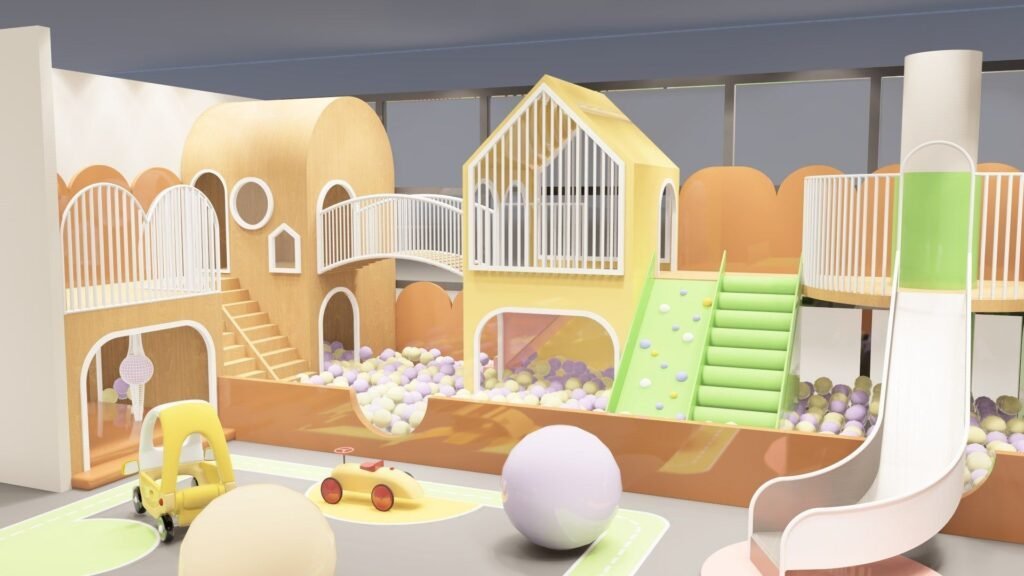
Conclusion
Starting a play cafe is a build-and-operate project, not just a branding exercise. The most reliable path is: validate demand, choose a code-appropriate venue, lock a business model and zoning plan, then drive design → production → shipping → installation with clear documentation and realistic buffers. Budget by cost buckets (fit-out, play, kitchen, compliance, freight/duties, working capital) and make layout decisions that reduce staffing and cleaning friction while protecting safety standards and parent sightlines.
If you want a fast, practical next step, share your floor plan, usable area, and ceiling height, and we can suggest a basic zoning approach (toddler/main/café/party) and a rough capacity logic. If helpful, you can also request a simple budget checklist/BOM template to structure your investment plan.
References
- ASTM International. (2021). ASTM F1918 – Standard Safety Performance Specification for Soft Contained Play Equipment. https://www.astm.org/f1918-21.html
- BSI Group. (2017). Children’s play areas: A guide to standards for playground equipment and surfacing (BS EN 1176 series). https://www.bsigroup.com/contentassets/fd0e8cd7dd174774890cd67e03389a99/childrens-playground-stds-hi-res.pdf
- U.S. Food & Drug Administration. (2022). Food Code 2022. https://www.fda.gov/food/fda-food-code/food-code-2022
- National Fire Protection Association. (n.d.). NFPA 101: Life Safety Code (overview). https://www.nfpa.org/codes-and-standards/1/0/1/nfpa-101
- International Code Council. (2021). 2021 International Building Code (online access portal). https://codes.iccsafe.org/content/IBC2021P1

 English
 Spanish
 German