
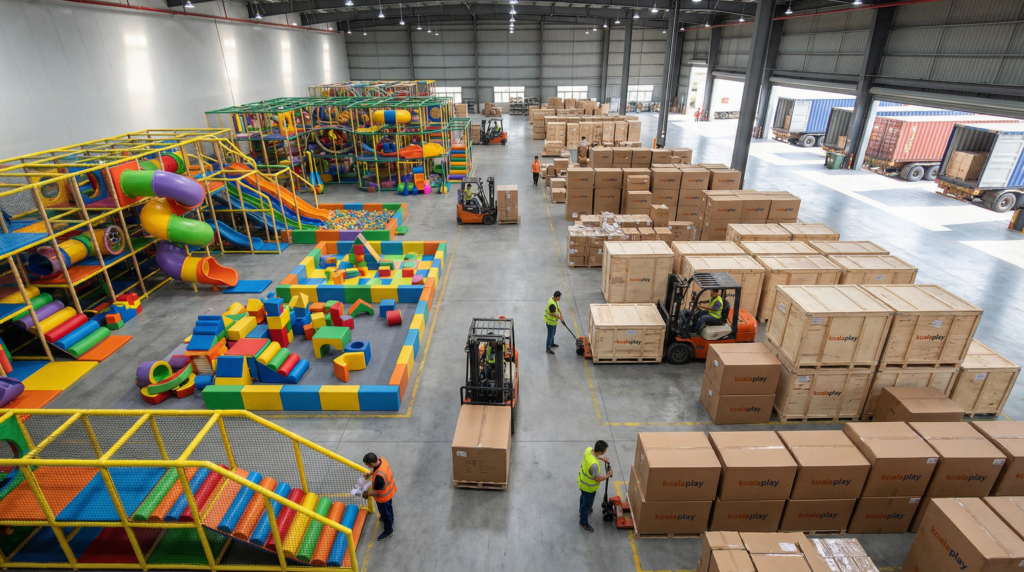
You’ve done the research, compared the costs, and made the strategic decision: you’re sourcing your indoor playground equipment from China and wondering how to import indoor playground equipment from China. This choice is the first step toward building a larger, more impressive facility while keeping your startup costs under control.
But for many U.S. entrepreneurs, the actual process of importing—dealing with ocean freight, customs brokers, and the IRS—can feel like a daunting black box. “What if it gets stuck in customs?” “How do I pay the tariffs?” “What are Incoterms?”
Import Indoor Playground Equipment From China is not hard
The truth is, importing is a structured, manageable process that thousands of American small businesses navigate every single day. This guide will demystify the journey, providing you with a clear, step-by-step roadmap from the factory floor in China to the grand opening of your play center in the USA.
Step 1: Choosing Your Playground Equipment Manufacturing Partner (Vetting)
The success of your import journey starts long before the first shipping container is loaded. It begins with choosing a supplier you can trust.
- Verify Safety Certifications: In the U.S., your equipment must comply with ASTM F1918-12 (for soft contained play) and CPSC guidelines. Ask for recent test reports from third-party labs like SGS or TUV.
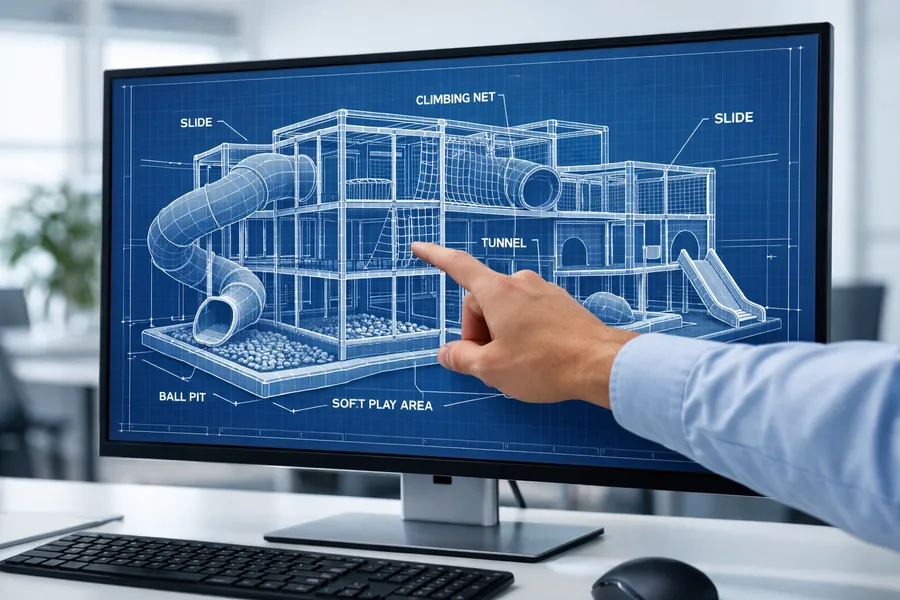
- Request a Virtual Factory Tour: Use video calls to see the production line, the quality of materials (steel thickness, foam density, etc.), and the factory’s organization.
- Check U.S. References: A reputable manufacturer like Koalaplay will have a portfolio of successful projects in the United States. Ask to speak with a previous client about their experience with the shipping and customs process.
Step 2: Finalizing the Design and Quote
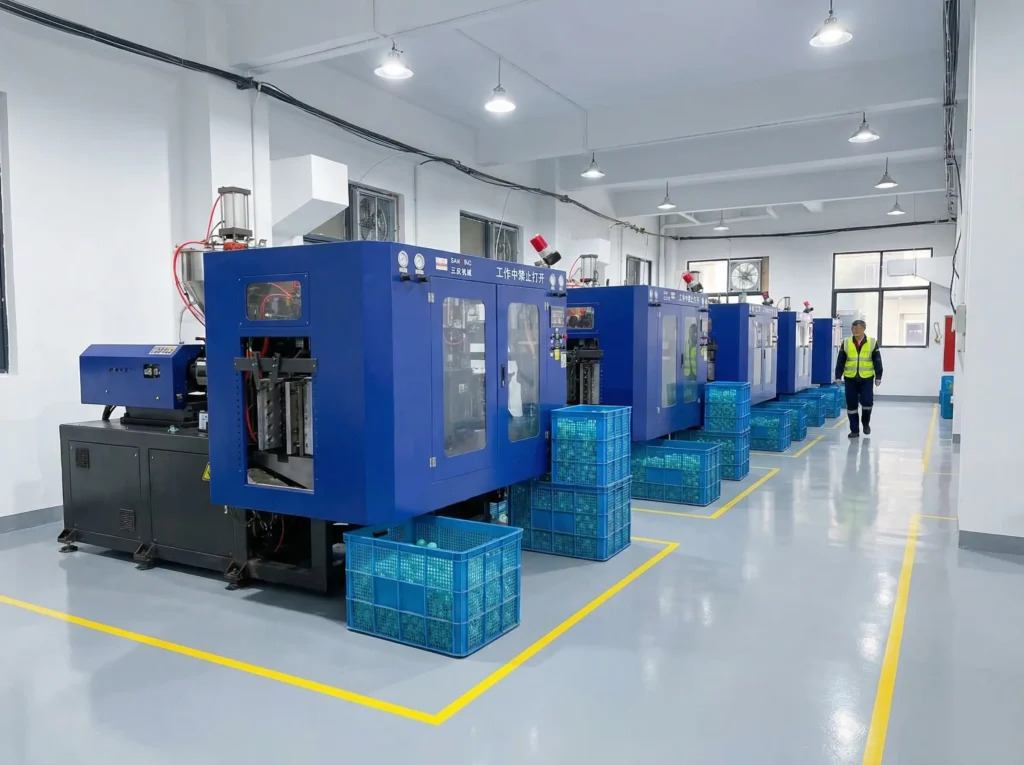
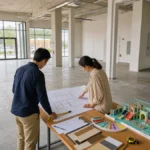
Once you’ve chosen your partner, you’ll work through the custom design of your playground.
- The Detailed Quote: Your quote should be granular. It should list every major component, the materials used, and the price.
- Incoterms: The Most Important Part of Your Contract: Incoterms (International Commercial Terms) define who is responsible for what during the shipping process.
- FOB (Free On Board): The supplier delivers the goods to the port in China. You are responsible for everything from that point on (ocean freight, insurance, U.S. customs, and local delivery).
- CIF (Cost, Insurance, and Freight): The supplier pays for the ocean freight and insurance to your nearest U.S. port. You handle the customs clearance and delivery from the port to your facility.
- DDP (Delivered Duty Paid): This is the “Gold Standard” for first-time importers. The supplier (like Koalaplay) handles everything—ocean freight, U.S. customs clearance, payment of all duties/tariffs, and delivery to your door. You get one all-inclusive price.
Step 3: Understanding HS Codes and Tariffs
Every product imported into the U.S. is assigned a 10-digit Harmonized Tariff Schedule (HTS) code. This code determines the duty rate you’ll pay.
- Common Codes for Playgrounds:
- 9506.99.6000: Often used for general playground equipment.
- 9503.00.0000: Used for certain types of toys and wheeled play items.
- Section 301 Tariffs: Since 2018, many Chinese goods have been subject to additional “Section 301” duties (often 25%). While this sounds high, the base manufacturing cost in China is often so much lower than in the U.S. that the total “landed cost” (product + shipping + duty) is still significantly cheaper than buying domestically.
Step 4: Production and Quality Control (QC)
Production typically takes 3-5 weeks depending on the size of your project.
- Progress Photos: Ask for weekly updates and photos of your equipment being built.
- The Pre-Shipment Inspection: Before the container is sealed, your manufacturer should perform a final QC check. They should send you photos of the finished components and the loading process to ensure everything is packed securely to prevent damage during transit.
Step 5: Ocean Freight and Documentation
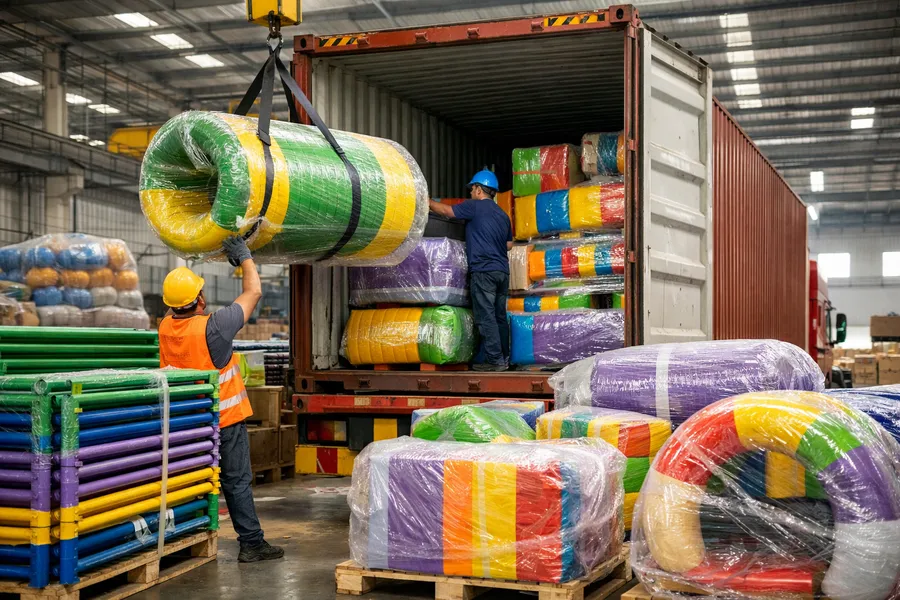
Once production is complete, your equipment is packed into a 20ft or 40ft High Cube (HC) container.
- The Timeline: Ocean transit from China to the U.S. West Coast (LA/Long Beach) takes about 18-22 days. To the East Coast (NY/Savannah), it takes 35-45 days.
- Essential Documents: If you aren’t using DDP shipping, you (or your customs broker) will need:
- Bill of Lading (B/L): The title to the goods.
- Commercial Invoice: Detailing the value for customs.
- Packing List: Detailing every item in the container.
- CPC (Children’s Product Certificate): Mandatory for U.S. customs to prove the equipment meets safety standards.
Step 6: Customs Clearance and Final Delivery
As the ship nears the U.S., the customs clearance process begins.
- ISF (Importer Security Filing): Also known as “10+2,” this must be filed with U.S. Customs at least 24 hours before the ship leaves China. Your freight forwarder handles this.
- The Customs Broker: If you are not using DDP, you will hire a licensed U.S. customs broker to file the entry and pay the duties on your behalf.
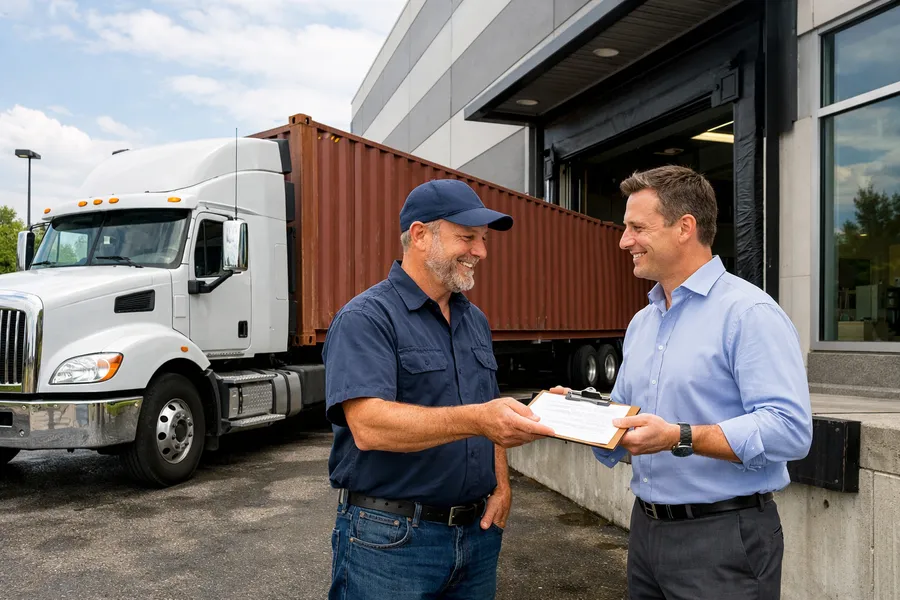
- Final Mile Delivery: Once cleared, the container is loaded onto a truck chassis and delivered to your facility. You will typically have a 2-hour window to unload the container before “detention” charges apply.
Step 7: Installation and Safety Audit
The container has arrived! Now the real fun begins.
- Inventory Check: Use your packing list to verify every component arrived safely.
- Professional Installation: Most manufacturers provide 3D manuals. You can hire a local crew or, in some cases, the manufacturer can send a lead supervisor to guide your local team.
- The Final Safety Audit: Before you open to the public, hire a Certified Playground Safety Inspector (CPSI) to perform a final audit. This ensures everything was installed correctly and meets all U.S. safety standards—providing you with peace of mind and essential documentation for your insurance provider.
Why Koalaplay Makes Indoor playground equipment Importing Easy
At Koalaplay, we specialize in helping entrepreneurs navigate this process with zero stress. We offer comprehensive DDP shipping services, meaning we take on all the logistical heavy lifting. You don’t need to worry about HS codes, customs brokers, or surprise port fees. We deliver your dream playground directly to your door, fully cleared and with all duties paid.
Frequently Asked Questions (FAQ)
Q1: Do I need an import license to buy from China?
A: No. In the U.S., individuals and businesses don’t need a specific “license” to import. You just need your IRS Business Tax ID (EIN) or your Social Security Number for customs filing.
Q2: What is the total “Landed Cost”?
A: Landed cost = Product Price + Ocean Freight + Insurance + Customs Duties/Tariffs + Local Trucking. Always ask your supplier for a landed cost estimate so there are no surprises.
Q3: How do I pay my Chinese supplier safely?
A: Most professional transactions are handled via Telegraphic Transfer (T/T). Typically, you pay a 30% deposit to start production and the 70% balance before the goods are shipped. For added security, many first-time buyers use platforms like Alibaba Trade Assurance.
Q4: What if the equipment is damaged during shipping?
A: This is why Marine Insurance is critical. It’s very affordable (usually around 0.3% of the cargo value) and covers you against loss or damage during the ocean voyage.
Reference List
- U.S. Customs and Border Protection (CBP): Importing into the United States Guide
- U.S. Consumer Product Safety Commission (CPSC): Mandatory eFiling of Certificates for 2026
- ASTM International: F1918-12 Standard for Soft Contained Play Equipment
- International Chamber of Commerce (ICC): Incoterms® 2020 Rules
- U.S. Department of Commerce: International Trade Administration – China Country Commercial Guide
- National Recreation and Park Association (NRPA): Certified Playground Safety Inspector (CPSI) Program




 English
 Spanish
 German