
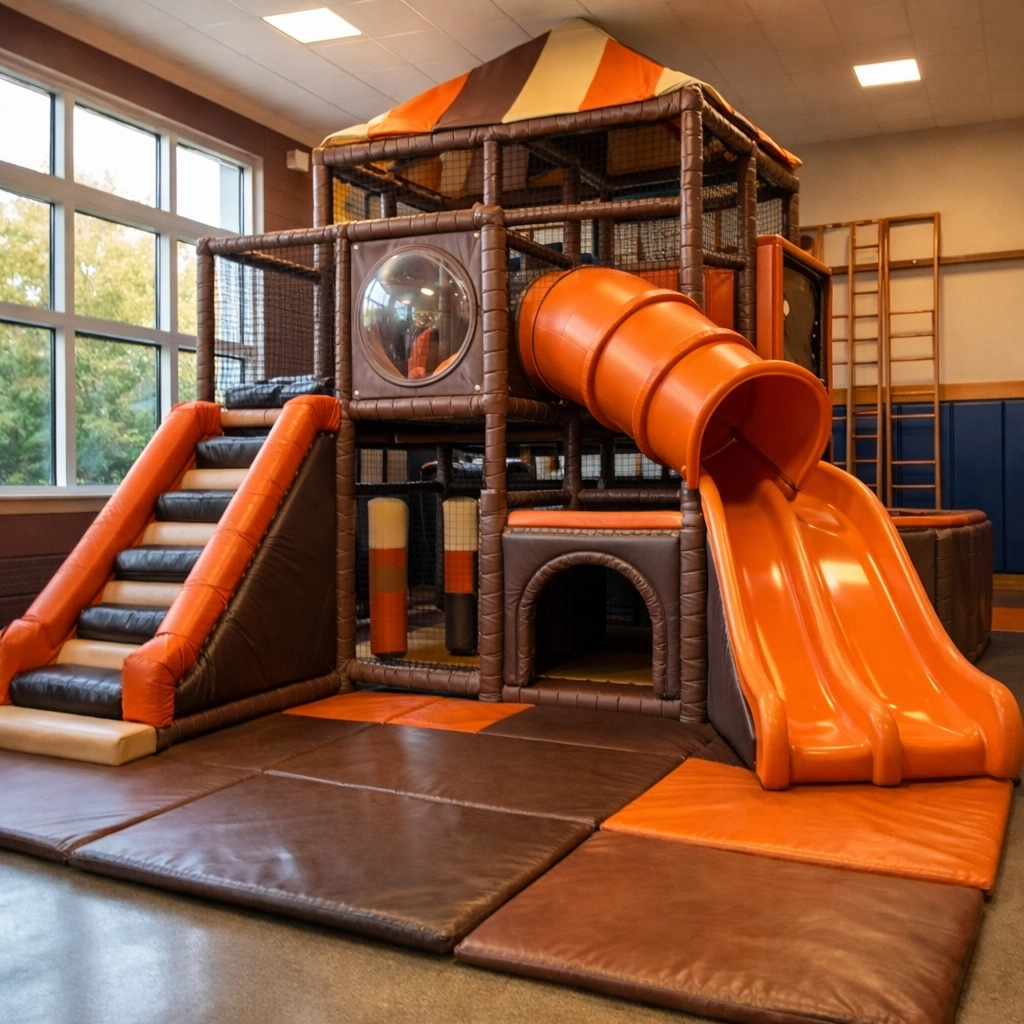
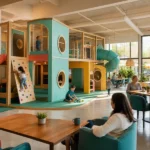
In today’s educational landscape, schools are increasingly seeking innovative solutions to support holistic student development, regardless of weather conditions or limited outdoor space. The role of indoor playground equipment for schools has emerged as a critical component, extending far beyond simple recreation. Many institutions face the challenge of providing engaging, safe, and developmentally appropriate indoor play spaces that can be utilized year-round. Outdated or poorly designed indoor play areas can lead to student disengagement, safety concerns, and missed opportunities for crucial physical, cognitive, and social development. This not only impacts children’s immediate well-being but also their long-term academic performance and social integration. At Koalaplay, we understand these unique challenges. Our team is dedicated to providing strategic, research-backed solutions that transform school indoor playgrounds into dynamic learning environments, fostering physical health, cognitive growth, and essential social skills in a controlled, safe setting.
Beyond Fun: Why Indoor Playground Equipment is Essential School Infrastructure
Modern educational philosophy recognizes that learning extends beyond traditional classroom walls and is not limited by outdoor conditions. Indoor playground equipment for schools is no longer a peripheral amenity but a fundamental component of a school’s infrastructure, directly influencing student outcomes. Research consistently demonstrates a strong correlation between physical activity and cognitive function, attention span, and problem-solving abilities . When students have access to well-designed indoor play environments, they can maintain physical activity levels even during inclement weather, returning to the classroom more focused and ready to learn. GameTime, a leader in the industry, emphasizes research-driven design, highlighting how strategically planned playgrounds can lead to measurable improvements in student health, academic performance, and social connection .
Furthermore, in an age of increasing screen time and sedentary lifestyles, school indoor playgrounds offer a vital antidote. They provide a structured yet free-form environment for children to engage in vigorous physical activity, which is essential for combating childhood obesity and promoting cardiovascular health, all within a climate-controlled setting. Beyond the physical, these spaces are crucibles for social and emotional development. Children learn negotiation, cooperation, conflict resolution, and empathy as they navigate shared play experiences. These are invaluable life skills that cannot be effectively taught in a traditional classroom setting. Therefore, viewing indoor playground equipment as an investment in educational infrastructure, rather than just a recreational expense, is crucial for fostering well-rounded, successful students.
Investing in modern, high-quality indoor playground equipment for schools is a strategic imperative for fostering student success and well-being. These dynamic indoor spaces serve as essential infrastructure, directly contributing to enhanced physical health, improved academic focus, and vital social-emotional development through engaging, safe, and inclusive play experiences, accessible regardless of external weather. Koalaplay offers expert guidance and durable solutions tailored to meet these evolving educational needs.
Top 5 Indoor Playground Equipment Trends for 2026
The landscape of indoor playground equipment for schools is continually evolving, driven by advancements in safety, materials, and a deeper understanding of child development. As we look towards 2025, several key trends are shaping the design and implementation of school indoor playgrounds, focusing on creating more engaging, inclusive, and educationally enriching environments. Koalaplay is at the forefront of integrating these innovations into our commercial indoor playground structures.
1. Inclusive & Universal Design in Indoor Play
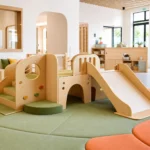
Inclusive design is no longer an option but a necessity. Modern school indoor playgrounds are being designed to ensure that children of all abilities can play together, fostering a sense of belonging and reducing social barriers. This includes features like accessible ramps, sensory play panels for children with diverse sensory needs, and ground-level play components. The goal is to create spaces where every child, regardless of physical or cognitive ability, can participate meaningfully. This commitment to universal access reflects a broader societal shift towards equity in educational and recreational settings.
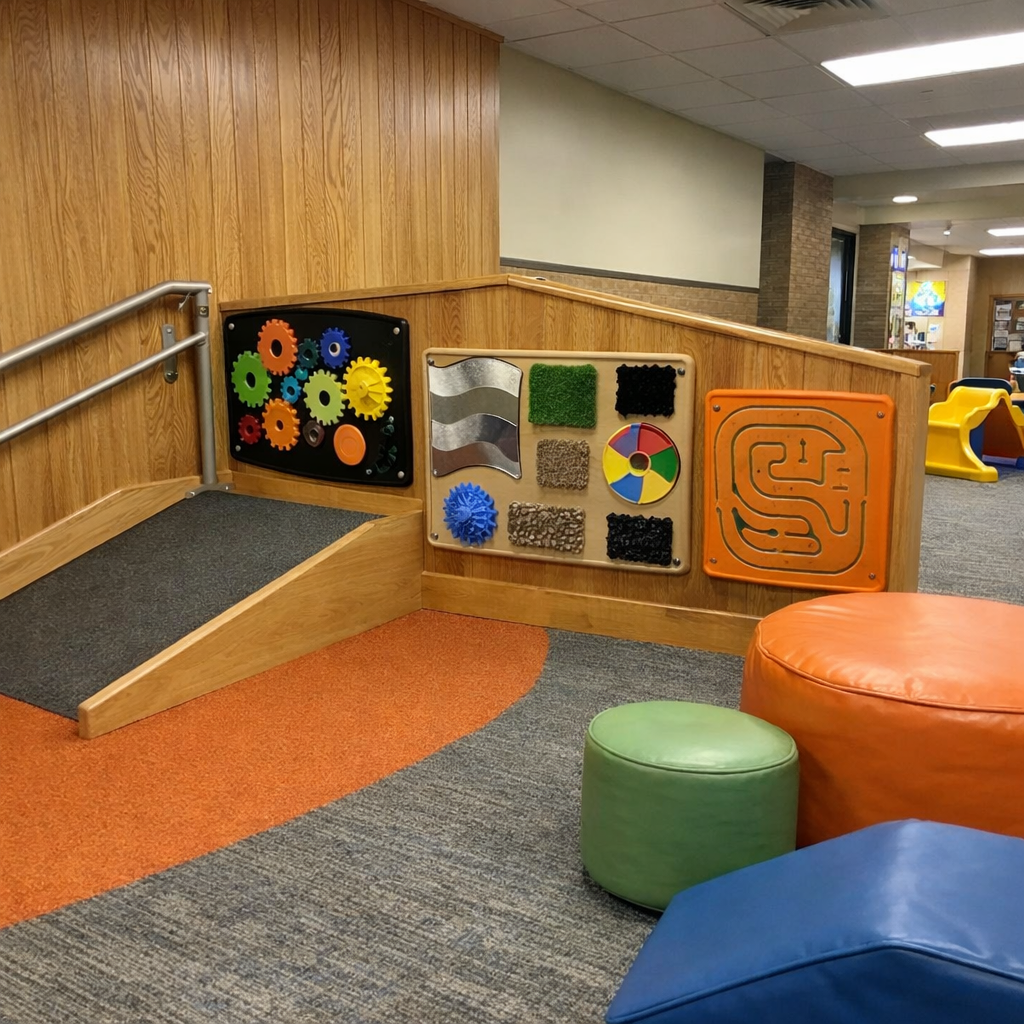
2. Nature-Inspired & Sustainable Materials for Indoor Environments
There’s a growing emphasis on connecting children with nature and utilizing environmentally responsible materials, even within indoor settings. Indoor playgrounds are incorporating natural elements like wood textures, plant-inspired designs, and soft, organic shapes, alongside equipment made from recycled or sustainably sourced materials. For instance, Koalaplay prioritizes durable materials such as High-Density Polyethylene (HDPE) and Acrylonitrile Butadiene Styrene (ABS) for their longevity and recyclability, offering a superior alternative to traditional wood in many applications. Our team has explored the benefits of these materials in detail, emphasizing their resistance to wear, easy cleaning, and harsh indoor conditions, making them ideal for long-term school use . This trend not only promotes ecological awareness but also provides a more organic and stimulating play experience.
3. STEM-Integrated Indoor Play
To bridge the gap between play and academic learning, indoor playgrounds are increasingly incorporating elements that encourage scientific exploration, technological understanding, engineering principles, and mathematical thinking. This can include interactive gears, sound tubes, building blocks, and even simple physics experiments integrated into play structures. These elements transform indoor recess into an informal learning laboratory, allowing children to discover concepts through hands-on experience. Koalaplay works with schools to map specific indoor playground equipment to curriculum goals, ensuring that play contributes directly to educational objectives.
4. High-Intensity Indoor Climbing Structures
Recognizing the importance of physical challenge and risk assessment in child development, there’s a resurgence in popularity for high-intensity indoor climbing structures. These include intricate rope nets, challenging bouldering walls, and multi-level climbing frames that test children’s strength, agility, and problem-solving skills. These structures are designed with advanced safety features and impact-absorbing surfaces, providing a thrilling yet secure environment for children to push their physical boundaries indoors. Such indoor playground equipment is crucial for developing gross motor skills and building confidence, regardless of the weather outside.
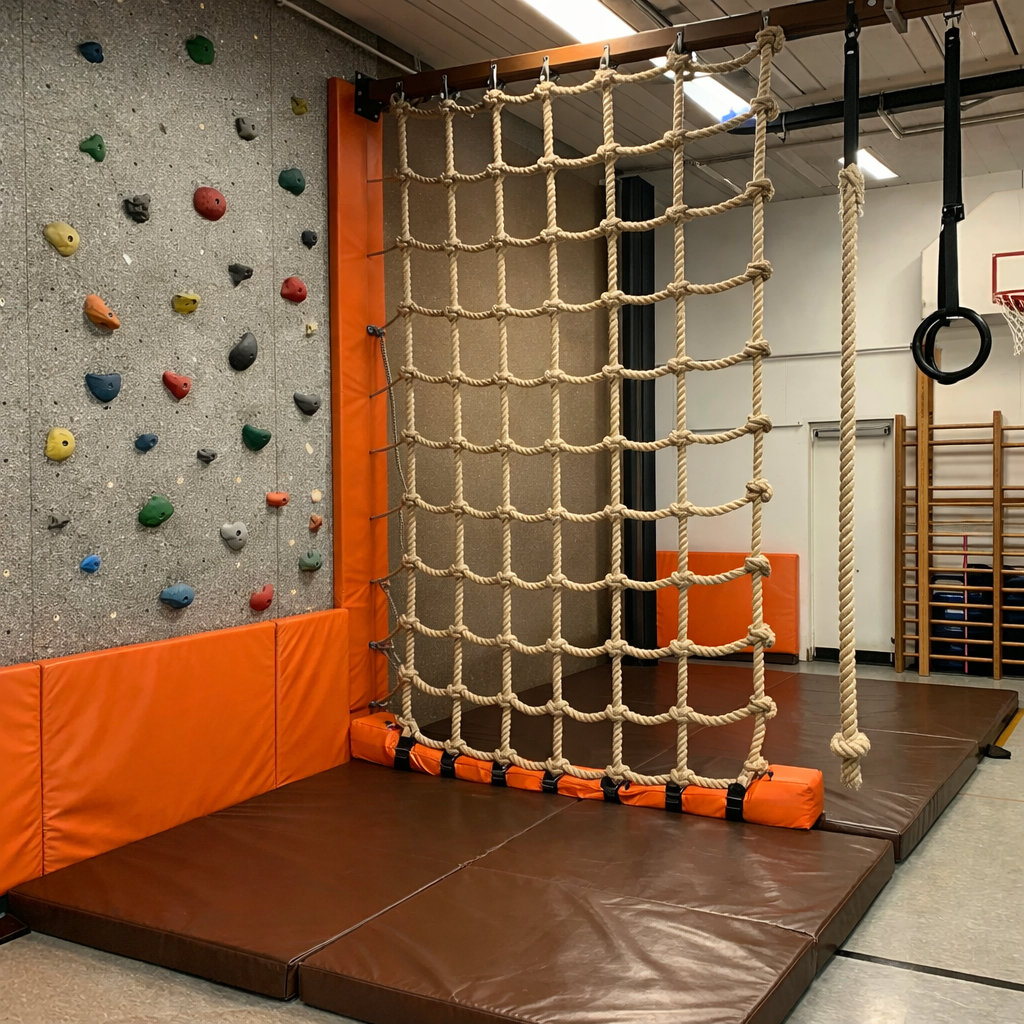
5. Multi-Generational & Social Zones in Indoor Play Spaces
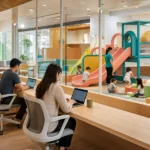
Beyond just children, modern school indoor playgrounds are evolving to become community hubs, incorporating elements that encourage interaction among different age groups and provide comfortable spaces for adults. This might include shaded seating areas, quiet zones for reading, and open spaces for group activities. These social zones foster a stronger school community, allowing families to connect while children play. The design considers the entire school environment, ensuring that the indoor playground serves as a valuable asset for all stakeholders, offering a safe and engaging space for everyone.
How to Choose the Right Indoor Playground Equipment for Your School’s Age Group
Selecting the appropriate indoor playground equipment for schools requires a nuanced understanding of child development stages. What engages a five-year-old will likely bore a twelve-year-old, and vice versa. Therefore, a one-size-fits-all approach is ineffective. Schools must carefully consider the specific needs, physical capabilities, and cognitive levels of their student body when designing indoor play spaces.
For elementary school children (ages 5-12), the focus should be on foundational motor skills, imaginative play, and early social interaction. Equipment like slides, ball pits, soft play structures, and interactive panels are ideal. These elements encourage balance, coordination, and cooperative play. In contrast, secondary school students (ages 12+) require more complex challenges that test their strength, agility, and strategic thinking. High-intensity climbing nets, advanced obstacle courses, and dedicated sports areas are more suitable for this age group, promoting physical fitness and healthy competition within an indoor setting.
| Age Group | Key Developmental Goals | Recommended Indoor Equipment Types |
| Elementary (Ages 5-12) | Gross motor skills, balance, imaginative play, basic social interaction. | Soft play structures, slides, ball pits, interactive panels, tunnels, climbing walls. |
| Middle School (Ages 11-14) | Strength, agility, complex problem-solving, team building. | Indoor rope courses, bouldering walls, ninja warrior courses, multi-sport courts. |
| High School (Ages 14-18) | Cardiovascular health, advanced fitness, socialization, stress relief. | Indoor climbing gyms, advanced obstacle courses, fitness zones, comfortable social lounges. |
The Koalaplay Difference: Quality, Safety, and Longevity in Indoor Playground Equipment
When investing in indoor playground equipment for schools, durability and safety are paramount. At Koalaplay, we distinguish ourselves through an unwavering commitment to material science and rigorous safety standards. We understand that school indoor playgrounds endure heavy, daily use and must withstand diverse environmental factors, such as high traffic and continuous cleaning. Our approach to manufacturing ensures that our equipment not only meets but exceeds industry expectations, providing a long-lasting return on investment for educational institutions.
Our team prioritizes the use of advanced materials like High-Density Polyethylene (HDPE), Acrylonitrile Butadiene Styrene (ABS), and galvanized steel. These materials are chosen for their exceptional resistance to wear, tear, and easy maintenance. Unlike traditional materials that may degrade quickly in high-use indoor environments, our plastic and steel components offer superior longevity and hygiene. We have detailed the advantages of these materials, explaining why we trust HDPE and ABS more for commercial playground applications . Furthermore, all Koalaplay indoor playground equipment is designed and manufactured in strict compliance with international safety standards, including ASTM and EN1176, ensuring the highest level of protection for students. We also offer extensive customization options, allowing schools to incorporate their branding and specific educational themes into the indoor playground design, creating a truly unique and engaging environment.
Planning Your Indoor Playground Equipment Project: A Step-by-Step Checklist
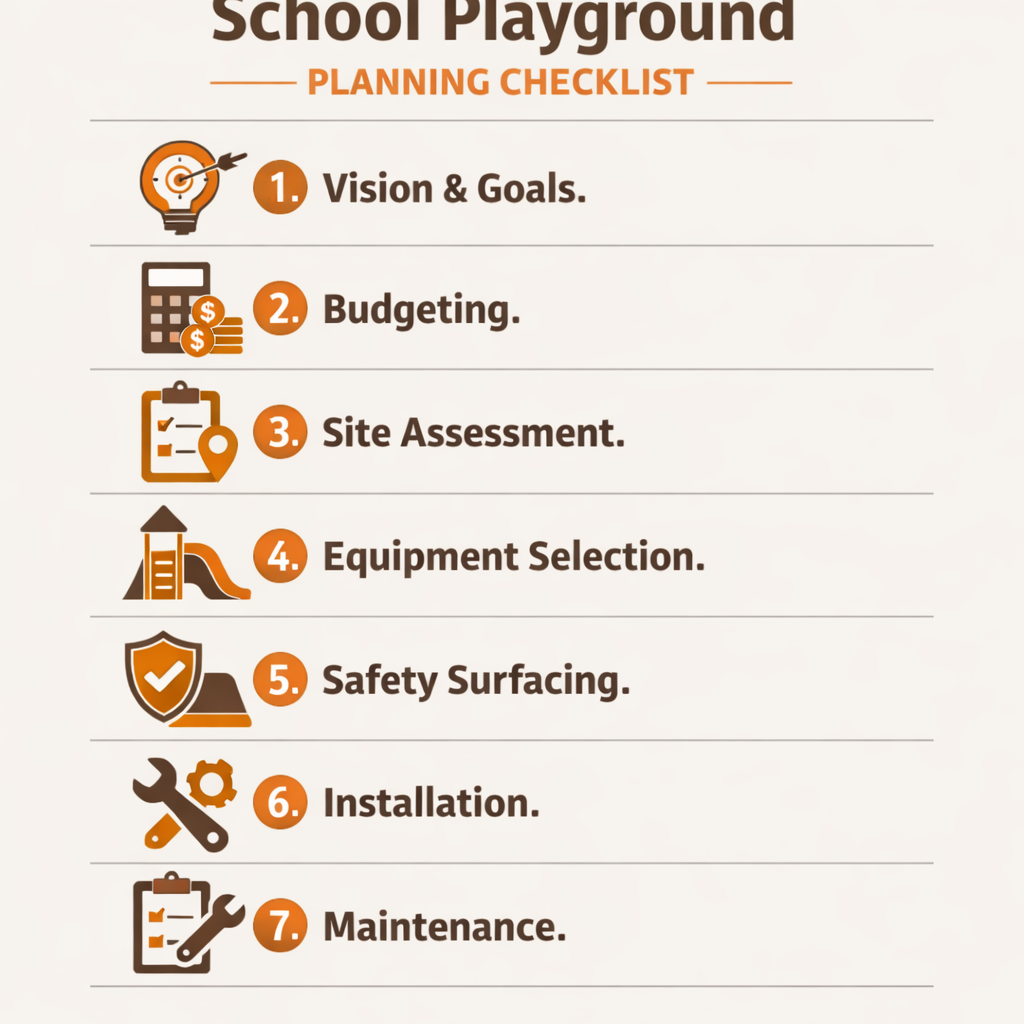
Embarking on a school indoor playground project can seem daunting, but with a structured approach, it becomes a manageable and rewarding endeavor. Koalaplay acts as a professional indoor playground solution provider, guiding schools through each phase to ensure a successful outcome . Our team has developed a comprehensive checklist to assist administrators, parent-teacher associations, and project managers in navigating the complexities of planning, funding, and implementing new indoor playground equipment for schools.
1. Define Your Vision and Goals for Indoor Play
Begin by clearly articulating what you hope to achieve with the new indoor playground. Consider the age groups it will serve, the developmental goals it should support (e.g., physical fitness, social skills, STEM learning), and how it integrates with the school’s overall educational mission. Involve key stakeholders, including teachers, parents, and even students, to gather diverse perspectives and build consensus on the ideal indoor playground equipment.
2. Budgeting and Funding for Indoor Play Spaces
Securing adequate funding is often the most challenging aspect. Explore various avenues such as school district budgets, local government grants, corporate sponsorships, and community fundraising initiatives. Develop a detailed budget that accounts for equipment costs, installation, safety surfacing, site preparation, and long-term maintenance. Understanding the total cost of ownership (TCO) is crucial for sustainable planning of your indoor playground equipment.
3. Site Assessment and Design for Indoor Play Areas
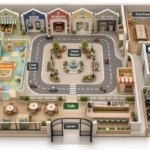
Conduct a thorough assessment of the proposed indoor site. Consider factors such as available space, ceiling height, structural limitations, ventilation, and lighting. Work with experienced indoor playground designers, like those at Koalaplay, to create a layout that maximizes play value, ensures safety, and complies with all relevant regulations. This phase often involves creating 3D renderings to visualize the final project with the chosen indoor playground equipment.
4. Indoor Playground Equipment Selection
Based on your vision, budget, and site assessment, select indoor playground equipment that aligns with your developmental goals and age groups. Prioritize durable, low-maintenance materials and ensure all chosen pieces meet or exceed safety standards. Consider a mix of equipment types to cater to different play preferences and abilities, such as our diverse range of commercial indoor playground structures.
5. Indoor Safety Surfacing
Choosing the right safety surfacing is as critical as selecting the equipment itself for indoor environments. Options include rubber tiles, poured-in-place rubber, and specialized soft flooring. The chosen surfacing must meet critical fall height requirements for all equipment and comply with ASTM standards to minimize injury risk within the indoor play area.
6. Installation and Inspection of Indoor Play Structures
Professional installation is essential for safety and longevity. Ensure that installers are certified and experienced in indoor playground construction. Upon completion, a certified playground safety inspector (CPSI) must inspect the indoor playground to verify compliance with all safety standards before it is opened for use.
7. Maintenance Plan for Indoor Playground Equipment
Develop a regular maintenance schedule to keep the indoor playground safe and functional. This includes routine inspections, cleaning, repairs, and ensuring all components are in good working order. A proactive maintenance plan extends the life of the indoor playground equipment and prevents costly repairs down the line.
Frequently Asked Questions (FAQs) about Indoor Playground Equipment for Schools
To further assist schools in their indoor playground planning, Koalaplay has compiled answers to common questions regarding indoor playground equipment for schools.
Q1: What are the most important safety standards for school indoor playgrounds?
A1: The primary safety standards in the United States are set by the ASTM International (ASTM F1487 for playground equipment and ASTM F1292 for impact-absorbing surfacing). In Europe, the EN 1176 series of standards applies. These standards cover design, installation, inspection, and maintenance to ensure a safe indoor play environment. Koalaplay indoor playground equipment is designed and manufactured to meet or exceed these stringent requirements.
Q2: How often should school indoor playground equipment be inspected and maintained?
A2: Regular inspections are crucial. Daily visual checks by school staff are recommended for obvious hazards. More detailed monthly inspections should be conducted by a trained individual, and an annual comprehensive inspection by a certified playground safety inspector (CPSI) is highly advisable. Maintenance frequency depends on usage and environmental factors but generally includes checking for wear and tear, tightening fasteners, and ensuring cleanliness in the indoor setting.
Q3: What is the typical lead time for a school indoor playground project from design to installation?
A3: Lead times can vary significantly based on the complexity of the design, customization requirements, equipment manufacturing, and installation schedules. Generally, an indoor project can take anywhere from 8 to 20 weeks from initial design approval to final installation. Early planning and clear communication with your playground provider, like Koalaplay, can help streamline the process.
Q4: Can Koalaplay customize indoor playground designs to fit specific school themes or spaces?
A4: Absolutely. Koalaplay specializes in providing tailored solutions. Our design team works closely with schools to create custom indoor playground designs that reflect the school’s unique identity, educational goals, and available space. From thematic elements to specific color schemes, we ensure the indoor playground is a perfect fit for your institution.
Conclusion
Investing in high-quality indoor playground equipment for schools is an investment in the future of our children. It’s about creating environments where physical activity, cognitive development, and social-emotional learning flourish, regardless of external conditions. At Koalaplay, we are more than just a supplier; we are your partner in building exceptional indoor play spaces that inspire, challenge, and delight students for years to come. Our commitment to durable materials, stringent safety standards, and innovative design ensures that your school receives an indoor playground that is not only fun but also a valuable educational asset. We understand the unique needs of educational institutions and are dedicated to providing solutions that foster holistic student growth.
Ready to transform your school’s indoor space into a dynamic learning environment? Contact Koalaplay today for a free consultation and let our team help you design an indoor playground that meets your specific needs and budget. Explore our comprehensive range of commercial playground structures and discover how our expertise can benefit your students. For more insights into material choices, read our blog on plastic products for playground equipment. We are here to provide a professional indoor playground solution that stands the test of time, ensuring a safe and joyful play experience for every child in your commercial play zone.
References
[1] GameTime. (n.d.). School Playground Equipment & Outdoor Playgrounds. Retrieved from
[2] Little Tikes Commercial. (n.d.). Commercial Playground Equipment. Retrieved from
[4] Koalaplay. (n.d.). Professional Indoor Playground Solution Provider. Retrieved from



 English
 Spanish
 German