
Wählen Sie Indoor-Spielplatzgeräte für 2-5-Jährige ist nicht nur eine Produktentscheidung. Es ist auch eine Entscheidung über Design, Sicherheit und Einnahmen. Wir von Koalaplay helfen unseren Kunden beim Bau von Indoor-Spielplätzen, Spielcafés und Rollenspielbereichen, die darauf abgestimmt sind, wie sich Kinder im Vorschulalter bewegen und interagieren. In diesem Leitfaden erklären wir, welche sechs Gerätetypen den größten Nutzen für Kinder im Alter von 2 bis 5 Jahren bieten und warum die besten Ergebnisse in der Regel erzielt werden, wenn man sie in einem durchdachten Layout kombiniert, anstatt eine übergroße Struktur zu kaufen.
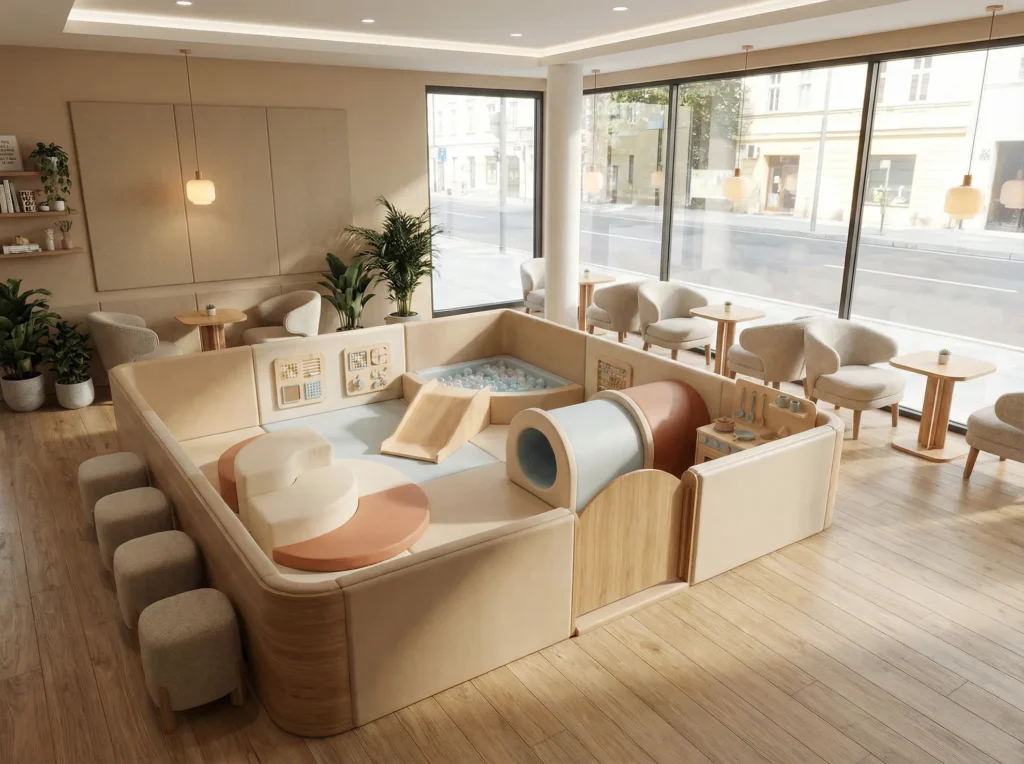
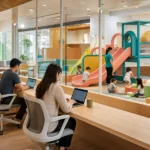
Ein gut aufgeteiltes Spielcafé für Kinder von 2 bis 5 Jahren bietet ein ausgewogenes Verhältnis zwischen sanften Bewegungsspielen, sensorischer Interaktion, Rollenspielen und bequemen Sitzgelegenheiten für Eltern.
Warum die 2-5-Jährigen einen anderen Mix an Indoor-Spielgeräten brauchen
Nach Angaben der U.S. Consumer Product Safety Commission sind Kinder im Vorschulalter zwischen 2 und 5 Jahren alt, was eine sinnvolle Kategorie ist, da sich ihre körperlichen Fähigkeiten, ihr Risikobewusstsein und ihr Spielverhalten von denen älterer Kinder unterscheiden. In der Praxis bedeutet dies, dass bei der Ausstattung für diese Altersgruppe eine geringere Höhe, weichere Landungen, ein einfacher Kreislauf, eine gute Sichtbarkeit und mehr Möglichkeiten zur Förderung der Fantasie im Vordergrund stehen sollten. Das Ziel ist nicht, die Umgebung langweilig zu machen. Das Ziel ist, dass die Kinder sie sicher, wiederholbar und einfach erfolgreich nutzen können.
Das ist besonders wichtig für kommerzielle Spielplätze in Innenräumen. Michele Caruana schreibt über Spielcafés und betont dabei die Sicht auf die Eltern, die Beaufsichtigung im Sitzen, einen ruhigen Verkehrsfluss und ein unvergessliches Erlebnis für die Gäste. Für einen umfassenderen Blick auf die kommerzielle Planung, siehe Koalaplay's Lösungen für Indoor-Spielplatzgeräte und unser Leitfaden über Auswahl altersgerechter Spielgeräte.
Die 6 besten Indoor-Spielplatzgeräte für 2-5-Jährige
Die nachstehende Tabelle zeigt die sechs Ausstattungskategorien, die wir für Projekte im Vorschulbereich empfehlen. Die Rangfolge spiegelt den Entwicklungswert, die betriebliche Zweckmäßigkeit und die Eignung für moderne Indoor-Spielbetriebe wider.
| Rang | Art der Ausrüstung | Warum es für 2-5-Jährige funktioniert | Beste geschäftliche Nutzung |
| 1 | Softplay-Klettergeräte | Fördert das Gleichgewicht, das Vertrauen in das Klettern und die Ganzkörperbewegung bei geringem Höhenrisiko | Kernbereich für Kleinkinder und Vorschulkinder |
| 2 | Weiche Rutschen für Kleinkinder | Sorgt für Aufregung mit vorhersehbarem Verkehrsfluss und einfacher Überwachung | Kleine und mittlere Indoor-Spielplätze |
| 3 | Kugelgruben | Bietet einen sensorischen Anreiz und eine starke visuelle Anziehungskraft | Hochfrequentierte Familientreffpunkte und Spielcafés |
| 4 | Kriechende Tunnels | Ermutigt zur Erkundung, ohne dass eine große Grundfläche benötigt wird | Kompakte Grundrisse und Umkreiszirkulation |
| 5 | Sensorische Spieltafeln | Fördert ruhiges Engagement und integratives Spielen | Warteräume, Wände, ruhige Ecken |
| 6 | Rollenspiel-Stationen | Stärkt die Sprache, das soziale Spiel und verlängert die Verweildauer | Spielcafés und Rollenspielbetriebe |
1. Softplay-Klettergeräte
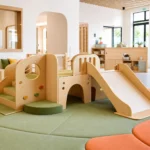
Wenn wir uns für eine grundlegende Kategorie entscheiden müssten, würden wir mit den Softplay-Klettergeräten beginnen. Sie helfen Kleinkindern, das Klettern, Krabbeln, Treten, Balancieren und die Körperbeherrschung in einem Format zu üben, das sich erreichbar und nicht einschüchternd anfühlt. Da die Module niedrig am Boden liegen und stark gepolstert sind, können die Kinder dieselben Bewegungsmuster viele Male wiederholen, und genau so entwickelt sich das Selbstvertrauen in diesem Altersbereich.
Softplay-Klettergeräte sind auch wirtschaftlich sinnvoll. Sie sind modular, leicht zu skalieren und eignen sich sowohl für offene Kleinkindbereiche als auch für geschlossene Vorschulbereiche. In einem Spielcafé ist diese Kategorie oft der “Anker”, den die Eltern sofort verstehen und dem sie vertrauen. Koalaplay's Weichschaum-Kletterlösungen sind besonders nützlich, wenn Sie eine sichere erste Bewegungsebene wünschen, bevor Sie weitere anregende Funktionen einführen.
2. Weiche Rutschen für Kleinkinder
Eine weiche Rutsche für Kleinkinder bietet einen einfachen Nervenkitzel, den jüngere Kinder schnell bewältigen können. Für die Altersgruppe von 2 bis 5 Jahren sind die besten Rutschen weder hoch noch aggressiv. Sie sind niedrig, sanft, leicht zu erklimmen und so positioniert, dass die Kinder ein- und aussteigen können, ohne zu viele andere Verkehrslinien zu kreuzen. Diese Vorhersehbarkeit ist wichtig, denn Vorschulkinder wiederholen ihre Lieblingsaktionen oft Dutzende Male bei einem einzigen Besuch.
Aus der Sicht des Betreibers schaffen niedrige, weiche Rutschen ein hohes Engagement ohne die Deckenhöhe oder Komplexität größerer Strukturen. Wenn sich Ihr Projekt an jüngere Familien richtet, ist Koalaplay's weiche Rutschen für Kleinkinder kann natürlich mit Klettergerüsten, Tunneln und Ballspielplätzen kombiniert werden, um einen kompakten, aber befriedigenden Spielkreis zu schaffen.
3. Kugelgruben
Ein Bällebad ist nach wie vor eine der bekanntesten Vorschulattraktionen, weil es Bewegung, sensorisches Feedback und einen starken visuellen Anreiz kombiniert. Kinder können sich hinsetzen, buddeln, hinein- und herausklettern und ohne komplexe Regeln sozial spielen. Für Kinder im Alter von 2 bis 5 Jahren sind die besten handelsüblichen Ballspielplätze flach genug, um überschaubar zu sein, an allen Rändern gepolstert und so platziert, dass Betreuer sie leicht beaufsichtigen können.
Ballspielplätze sind auch deshalb so wertvoll, weil sie den Reichtum eines Ortes erhöhen. In einem Boutique-Spielcafé wird ein gut gestalteter Ballspielplatz oft zu einem Bereich, den Familien als erstes bemerken. Das bedeutet, dass sie am besten funktioniert, wenn sie mit klaren Reinigungsroutinen, offenen Sichtlinien und nahegelegenen energieärmeren Spielmöglichkeiten kombiniert wird. Koalaplay bietet Lösungen für Kleinkinder-Ballkästen die sowohl für spezielle Kleinkindbereiche als auch für gemischte Familieneinrichtungen geeignet sind.
4. Kriechtunnel
Krabbeltunnel werden in der kommerziellen Gestaltung unterschätzt, insbesondere bei kleineren Grundflächen. Sie geben Kindern das Gefühl, auf Entdeckungsreise zu gehen, ohne dass Sie gezwungen sind, Höhe oder große strukturelle Spannweiten hinzuzufügen. Für Kinder im Vorschulalter fördern Tunnel das Krabbeln, das Erkennen von Abläufen, das Körperbewusstsein und das Versteckspiel in einem kontrollierten Format.
Michele Caruanas Ratschläge für die Planung sind hier nützlich, da sie die bewusste Zirkulation anstelle der zufälligen Platzierung von Geräten betont. Ein Tunnel kann Zonen miteinander verbinden, ungünstige Ecken abmildern und den Raum auch dann aktiv wirken lassen, wenn die Gesamtgrundfläche begrenzt ist. Für Eigentümer, die einen bescheidenen Grundriss dynamischer gestalten wollen, bietet Koalaplay's Krabbeltunnel sind eine der wertvollsten Ergänzungen pro Quadratmeter.
5. Sensorische Spieltafeln
Nicht jedes erfolgreiche Spielgerät muss erklommen, besprungen oder betreten werden. Sensorische Spieltafeln bieten Kindern im Alter von 2 bis 5 Jahren eine weitere Möglichkeit, sich durch Berührungen, sich drehende Komponenten, Texturen, Ursache-Wirkungs-Spiele und ruhige Konzentration zu beschäftigen. Sie sind besonders hilfreich in Innenräumen, die einen ruhigeren Rhythmus, ein integrativeres Design oder Aktivitäten entlang von Wänden und Übergängen benötigen.
Dies ist von großer Bedeutung, denn Eltern wollen nicht immer, dass jede Minute eines Besuchs chaotisch ist. Sinnespaneele schaffen nützliche “Pausenpunkte” und unterstützen gleichzeitig ein sinnvolles Spiel. Sie tragen auch dazu bei, vertikale Flächen effizient zu nutzen, was in Cafés, Wartezonen und auf Verkehrswegen wichtig ist. Koalaplay's Sinnesparcours werden oft mit Softplay-Strukturen kombiniert, so dass der Ort sowohl aktiven Vorschulkindern als auch Kindern, die eine weniger intensive Interaktion bevorzugen, dient.
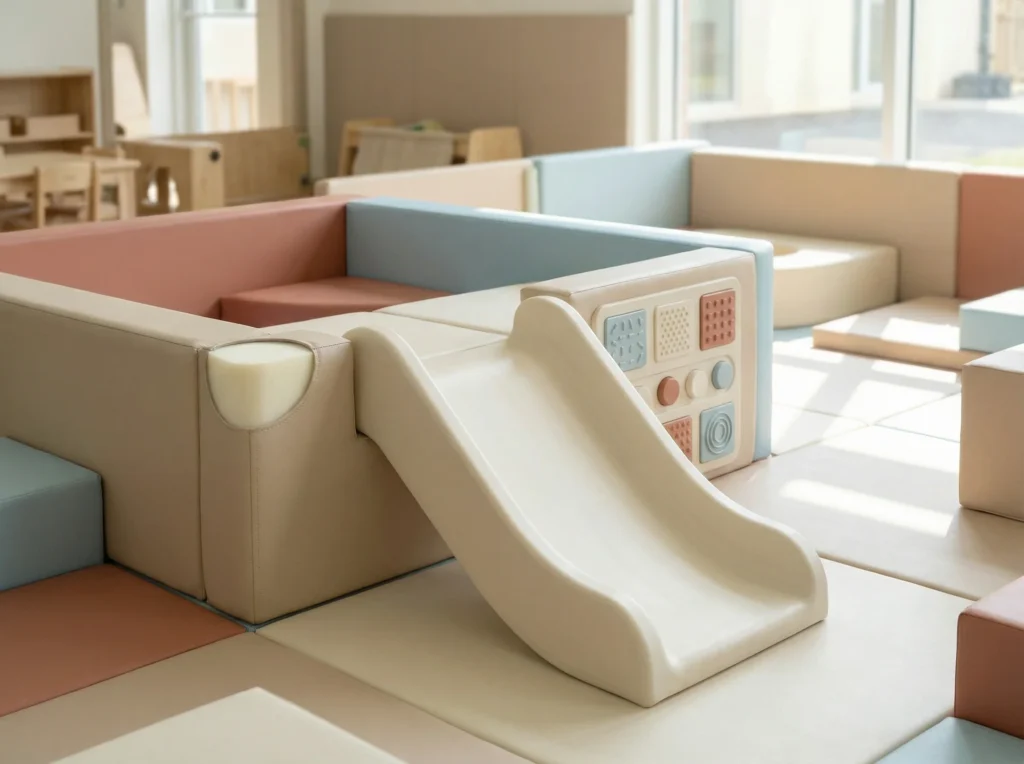
Bildunterschrift: Für Kinder im Alter von 2-5 Jahren sind abgerundete Kanten, eine dicke Polsterung und leicht zu reinigende Materialien ebenso wichtig wie das Spielgerät selbst.
6. Rollenspiel-Stationen
Für viele Käufer ist die Empfehlung in dieser Liste überraschend: Rollenspielgeräte. Dabei sind sie oft eine der klügsten Investitionen, insbesondere in Spielcafés und themenbezogenen Vorschulumgebungen. Die American Academy of Pediatrics stellt fest, dass Rollenspiele Kindern helfen, Kontakte zu knüpfen, die Sprachentwicklung zu fördern und wichtige Lebenskompetenzen wie Kommunikation, Teamarbeit und Problemlösung zu entwickeln. Auch die NAEYC betrachtet das darstellende Spiel als ein sinnvolles frühkindliches Lernthema, das mit Sprache, Lesen und Schreiben, dem Erzählen von Geschichten und der allgemeinen Entwicklung verbunden ist. .
Dieser entwicklungspolitische Wert schlägt sich in einem geschäftlichen Wert nieder. Rollenspielstationen wie Mini-Märkte, Spielküchen, Doktorecken oder Schein-Cafés verlangsamen das Tempo des Besuchs auf positive Weise. Sie geben Kindern Anlass, zu reden, zu verhandeln, Erwachsene zu imitieren und sich länger zu beschäftigen. Sie entsprechen auch genau dem, was sich viele moderne Familienunternehmen wünschen: einen Raum, der bereichernd wirkt, nicht nur energetisch. Wenn Ihr Konzept eher auf fantasievolles oder pädagogisches Spielen ausgerichtet ist, sollten Sie Koalaplay's Rollenspielgeräte für Kinder und unser Artikel über die Bedeutung des vorgetäuschten Spiels.
Wie man die sechs zu einem rentablen Spielcafé oder einer Vorschule kombiniert
Die effektivsten Indoor-Spielplätze für Vorschulkinder kombinieren in der Regel alle sechs Kategorien in unterschiedlichen Anteilen. Unserer Erfahrung nach beginnt das beste Layout mit einem weichen Spielkern, fügt eine Rutsche und eine Ballgrube für eine hohe Wiederholungsattraktion hinzu, verwendet Tunnel und sensorische Tafeln, um die Aktivität zu verteilen, und endet mit einer Rollenspielecke, die die Verweildauer verlängert. Dieses Gleichgewicht ist wichtig, denn zu viele energiereiche Geräte können zu visuellem Stress für die Betreuer führen, während zu wenig Bewegungsspiele die Spannung verringern können.
Die folgende Abbildung zeigt eine direkte Darstellung von sechs Geräten, die für Käufer oft leichter zu beurteilen ist als ein abstraktes Diagramm.
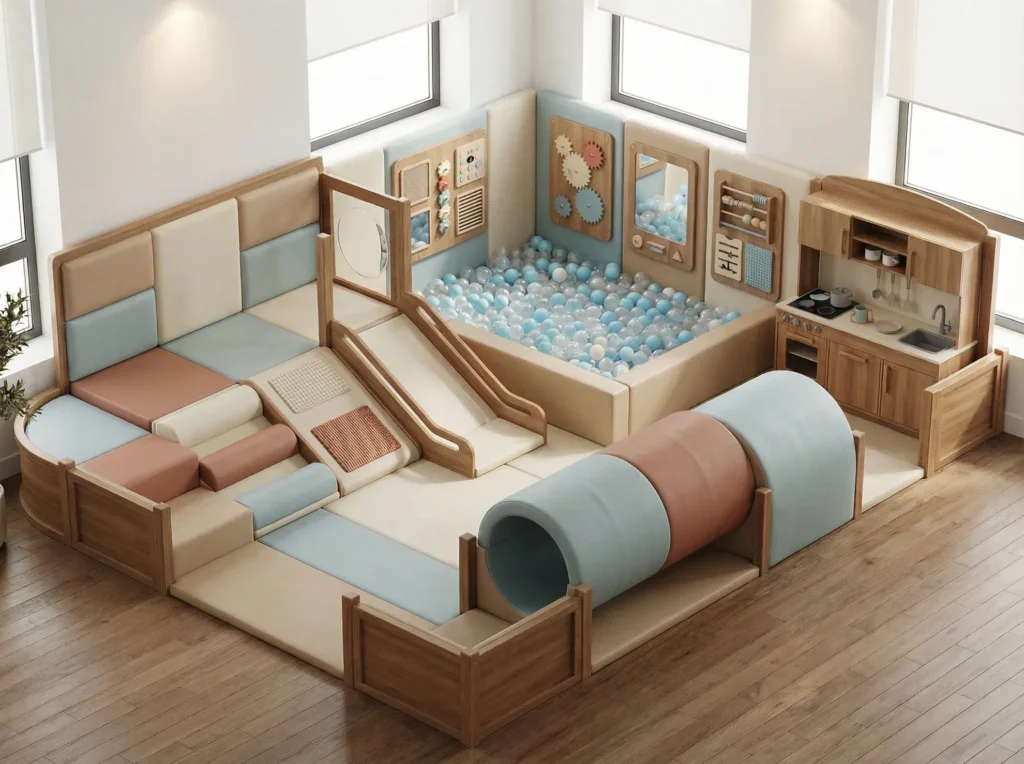
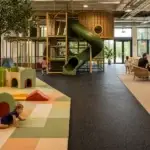
Bildunterschrift: Ein vorschulfreundlicher Ausstattungsmix sollte ein Gleichgewicht zwischen Bewegungs-, Sinnes- und Fantasiespielen herstellen und sich nicht zu sehr auf eine Ausstattungsart beschränken.
Ein nützlicher Planungsgrundsatz aus dem Inhalt von Michele Caruana ist, dass Eltern in der Lage sein sollten, den Raum schnell zu verstehen und ihn bequem von ihrem Sitzplatz aus zu überwachen. Deshalb empfehlen wir oft, die aktivsten Geräte in der Mitte zu platzieren, ruhigere sensorische Elemente entlang der Wände und Rollenspielbereiche in der Nähe der Café-Sitzplätze. Wenn Sie ein neues Konzept erstellen, finden Sie in Koalaplay's Leitfaden für rentable Gestaltung des Spielcafés und Herstellung von Indoor-Spielcafés für gewerbliche Einrichtungen bieten einen nützlichen nächsten Schritt.
| Ziel der Gestaltung | Empfohlene Ausrüstungspriorität | Warum das wichtig ist |
| Starker erster Eindruck | Bällebad + Rutsche + Softplay-Kern | Erzeugt sofortigen visuellen Reiz und leichtes Verständnis |
| Längere Verweilzeit | Rollenspielstationen + sensorische Tafeln | Ermutigt zu einem langsameren, umfassenderen Engagement |
| Bessere Überwachung | Niedrige Trennwände + zentrale aktive Zone | Verbessert die Sichtverhältnisse und den Komfort der Eltern |
| Geringerer Platzbedarf und Effizienz | Tunnel + Wandplatten + modulare Kletterelemente | Intelligentere Nutzung von Boden- und Wandflächen |
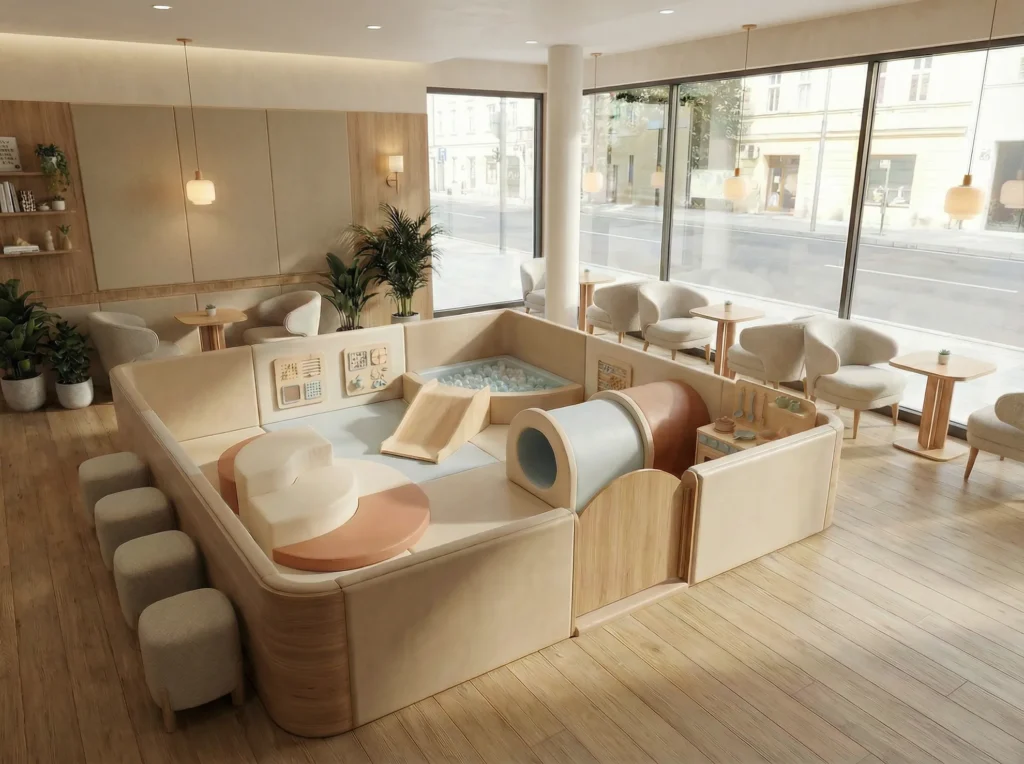
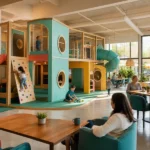
Bildunterschrift: Ein vorteilhaftes Vorschulkonzept kombiniert häufig einen aktiven Mittelbereich mit Sinneswänden, Rollenspielecken und direkten Sichtverbindungen zu den Eltern.
Schlussfolgerung
Die besten Spielplatzgeräte für Innenräume für die Altersgruppe 2-5 Jahre sind nicht nur ein einziges Heldenprodukt. Es ist eine sorgfältig aufeinander abgestimmte Mischung aus Softplay-Klettergeräten, niedrigen Rutschen, Ballspielplätzen, Tunneln, sensorischen Tafeln und Rollenspielstationen, die sowohl der kindlichen Entwicklung als auch dem Geschäftsbetrieb gerecht wird. Wenn diese Merkmale zusammen geplant werden, ist das Ergebnis eine sicherere, ruhigere und kommerziell effektivere Umgebung für moderne Familien.
Sind Sie bereit, loszulegen? Kontakt mit dem Koalaplay-Team für eine kostenlose Beratung und ein individuelles Ausstattungskonzept für Ihr Spielcafé, Ihren Vorschulbereich oder Ihren Indoor-Spielplatz.
Häufig gestellte Fragen
Welche Indoor-Spielplatzgeräte eignen sich am besten für Kinder im Alter von 2-5 Jahren?
Die beste Mischung für den Anfang besteht in der Regel aus Softplay-Klettergeräten, Rutschen für Kleinkinder, einer flachen Ballgrube, Krabbeltunneln, sensorischen Tafeln und einer Station für Rollenspiele. Zusammen fördern diese Elemente die Bewegung, die Sinneswahrnehmung und das fantasievolle Spiel und sind gleichzeitig für Kinder im Vorschulalter überschaubar.
Wie wählt man sichere Indoor-Spielgeräte für Kleinkinder und Vorschulkinder aus?
Achten Sie auf niedrige Geräte, abgerundete Kanten, gepolsterte Böden, einfache Verkehrswege und gute Sichtbarkeit für die Betreuer. Es ist auch wichtig, Geräte zu wählen, die speziell für Kinder im Vorschulalter skaliert sind, anstatt Produkte zu verkleinern, die für ältere Kinder gedacht sind. .
Brauchen Spielcafés Rollenspielgeräte oder nur Softplay?
Spielcafés funktionieren am besten, wenn sie beides beinhalten. Weiches Spiel sorgt für Bewegung und Aufregung, während Rollenspielgeräte die Sprache, die Zusammenarbeit und eine längere Verweildauer fördern, was die Ausgaben für das Café und wiederholte Besuche begünstigt. .
Was ist die beste Startausstattung für ein kleines Indoor-Spielcafé?
Für einen kompakten Veranstaltungsort empfehlen wir in der Regel ein modulares Softplay-Klettergerüst, eine niedrige Rutsche, eine kleine Ballgrube, eine Tunnelstrecke, an der Wand befestigte sensorische Tafeln und eine kompakte Rollenspielstation.
Referenzen
[2] HealthyChildren.org. Vorgetäuschtes Spiel: Wege, wie Kinder ihre Fantasie ausleben können (2023)
[3] NAEYC. Themenseite Dramatisches Spiel
[4] Michele Caruana. 2026 Spiel-Café Trends
[5] Michele Caruana. 6 Tipps für die Planung Ihres Spielcafés oder Indoor-Spielplatzes





 English
 Spanish
 German