
Familien sind aktiv auf der Suche nach Räumen, in denen Kinder sicher spielen können, während Erwachsene bequem sitzen, kurz arbeiten oder Kontakte knüpfen können, ohne die Kinder durch eine öffentliche Einrichtung jagen zu müssen. Diese Nachfrage ist der Grund, warum das Format des Spielcafés - Café und kuratierter Indoor-Spielplatz - immer wieder in Einkaufszentren, Einkaufsstraßen und gemischt genutzten Gemeinden auftaucht.
Für einen Betreiber ist ein Spielcafé nicht nur eine Konzeptentscheidung. Es ist eine Projektentscheidung: Mietbedingungen, Einrichtungsgeschwindigkeit, Kontrolle des Sicherheitsrisikos, Personal- und Reinigungsaufwand und wie schnell Sie einen stabilen täglichen Durchsatz erreichen können. Kleine Fehler bei der Einrichtung können langfristig zu betrieblichen Reibungsverlusten führen, während die richtige Einteilung der Räume die Arbeitsstunden reduzieren und die Zahl der Wiederholungsbesuche erhöhen kann.
Dieser Leitfaden führt Sie durch die praktischen Schritte zur Eröffnung eines Spielcafés - von der Durchführbarkeits- und Layoutplanung bis hin zu Genehmigungen und Beschaffung - und schlüsselt typische Kostenspannen und deren Ursachen auf, damit Sie einen realistischen Plan für den Start erstellen können, ohne zu raten.
Um ein Spielcafé zu eröffnen, müssen Sie in der Regel den Bedarf ermitteln, einen geeigneten Standort auswählen, die Zonen planen (Kleinkindbereich + Hauptspielbereich + Sichtbarkeit des Cafés), Genehmigungen/Versicherungen einholen und dann Entwurf, Fertigung, Versand und Installation abschließen. Die Gesamtkosten für die Inbetriebnahme sind oft sehr unterschiedlich (in der Regel im mittleren sechsstelligen Bereich) und hängen von der Miete/Ausstattung, den Spielgeräten, dem Bau der Küche und den örtlichen Vorschriften ab.
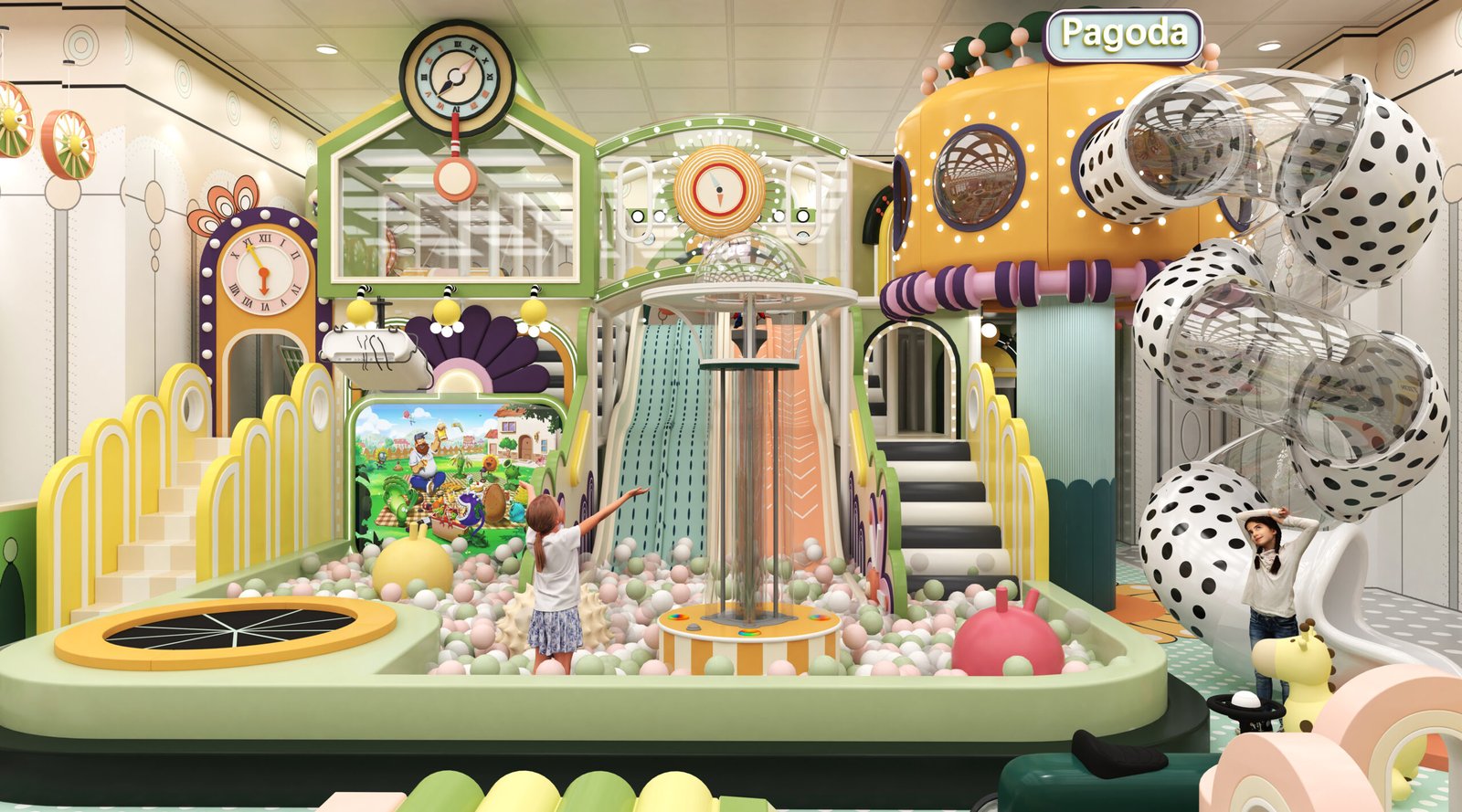
Welches Geschäftsmodell und welchen Standortplan sollten Sie vor der Unterzeichnung eines Mietvertrags abschließen?
Viele Erstbesitzer beginnen mit einem Moodboard und Menüideen und unterschreiben dann einen Mietvertrag, bevor sie sich vergewissert haben, ob der Raum tatsächlich sichere Verkehrs-, Sicht- und Belegungsregeln zulässt. Das Risiko sind kostspielige Nachbesserungen: das Versetzen von Wänden, das Ändern von Ausgängen, das Hinzufügen von Brandschutz oder das nachträgliche Verkleinern von Spielbereichen.
Bevor Sie unterschreiben, schließen Sie ein einfaches Modell ab: wen Sie bedienen, wie Sie Gebühren erheben und wie der Raum fließt. Ein klarer Lageplan hilft Ihnen auch, die tatsächliche Kapazität abzuschätzen (nicht nur “sieht groß genug aus”).
Ein praktikabler Ausgangspunkt ist: Wählen Sie eine Haupteinnahmequelle (Eintrittskarten, Mitgliedschaften oder Partys), und richten Sie dann die Räumlichkeiten und das Personal auf den Durchsatz zu Spitzenzeiten und die Aufsichtslinien aus.
Bei produktionsgeführten Projekten sieht der typische Zeitplan wie folgt aus (die Spanne hängt von der Komplexität des Themas, den Genehmigungen und der Versandart ab):
| Bühne | Was wird genehmigt/erledigt | Typische Zeitspanne |
|---|---|---|
| Durchführbarkeits- und Mietvertrags-Due-Diligence | grundlegende Zoneneinteilung, Ausgänge, Deckenhöhe, Versorgungseinrichtungen, Sichtbarkeit | 2-6 Wochen |
| Konzept + CAD-Layout | Verkehr, Alterszonen, Sichtlinien, Stellfläche für Geräte | 2-4 Wochen |
| 3D-Rendering + Preisstopp | Zieleinlauf, Stücklistenabgleich, Kostenkontrolle | 1-3 Wochen |
| Produktion + Verpackung | nummerierte Teile, QC, exportfertige Packliste | 4-10 Wochen |
| Versand + Zoll | Fracht/Zölle, lokale Zustellungsplanung | 2-8 Wochen |
| Installation + Punchlist | Montage, Netzspannung, Sicherheitskontrolle, Beschilderung | 1-4 Wochen |
Aus Sicht des Lieferanten/Herstellers gilt: Je früher Sie bestätigen Nutzbare Fläche, Deckenhöhe, Spalten, Eingänge/Ausgänge, und HVAC-Einschränkungen, desto schneller können wir ein CAD-Layout und ein installationsfertiges Paket erstellen. Wenn Sie mehr darüber erfahren möchten, wie ein Anbieter die Zoneneinteilung und Risikokontrolle unterstützt, lesen Sie wie ein Anbieter von Indoor-Spielplätzen sichere und unterhaltsame Zonen unterstützt im Rahmen von Spielcafés.
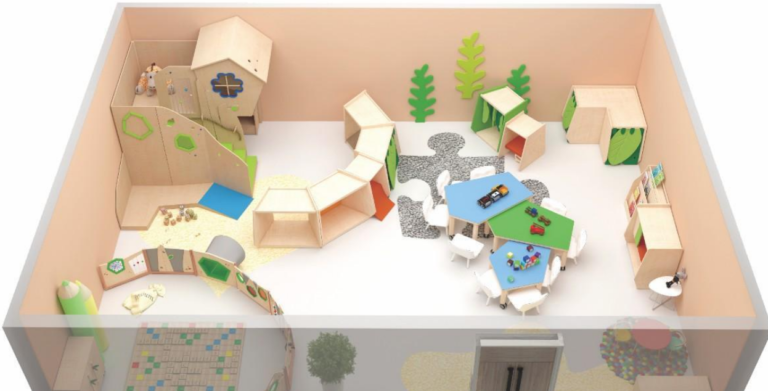
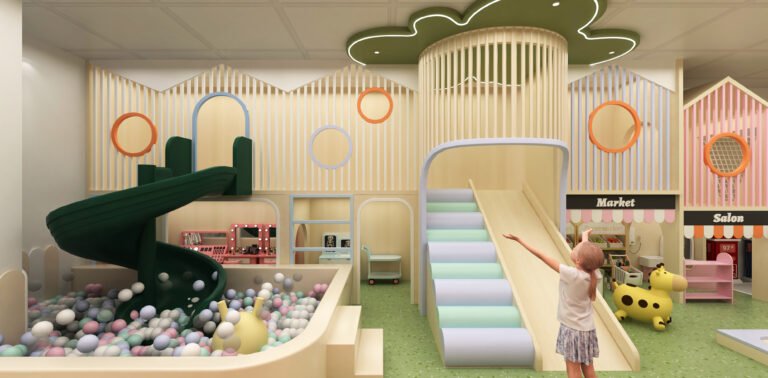
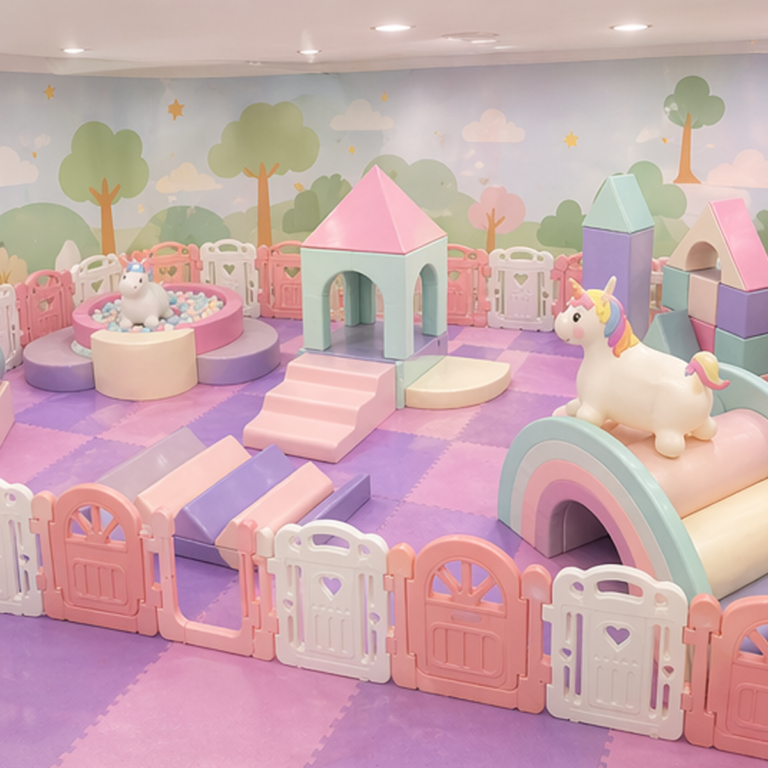
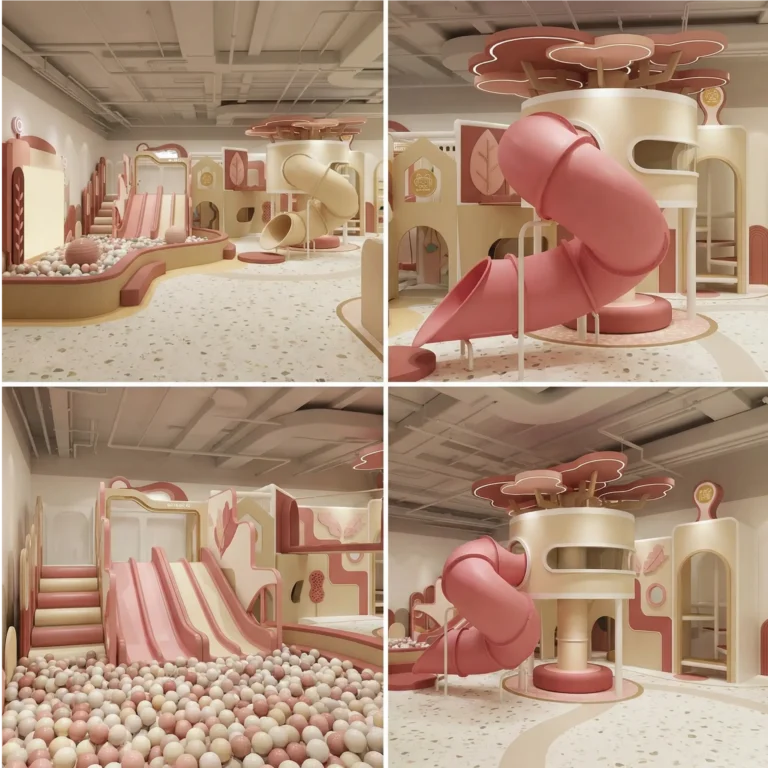
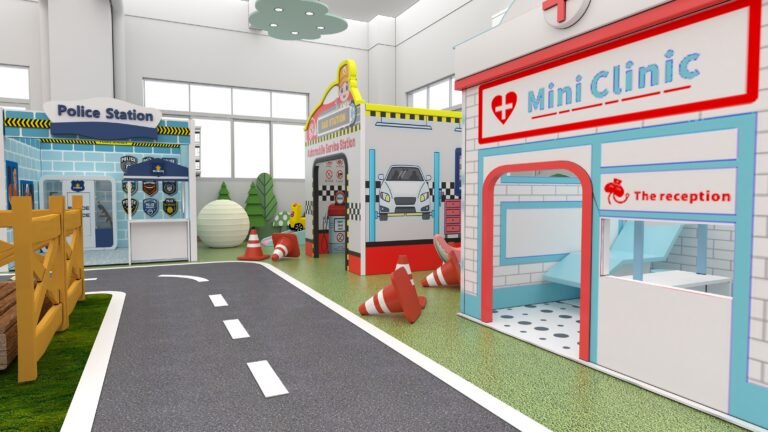
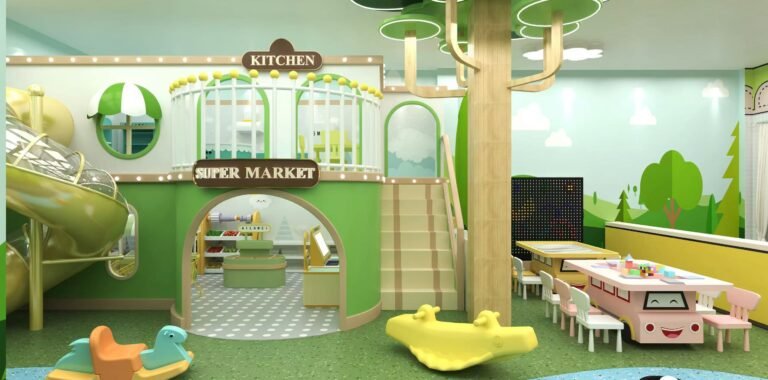
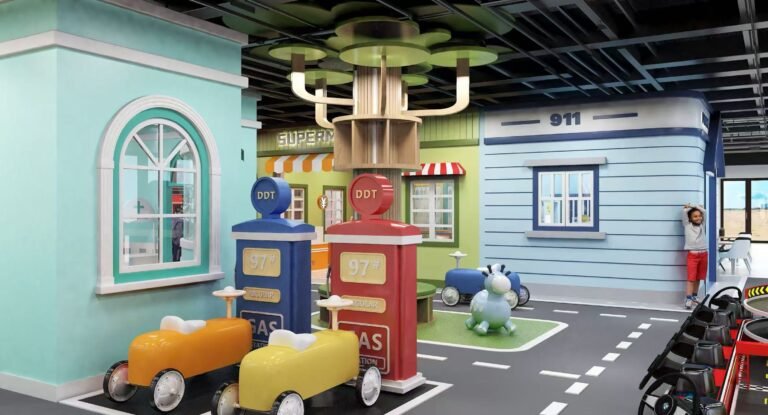
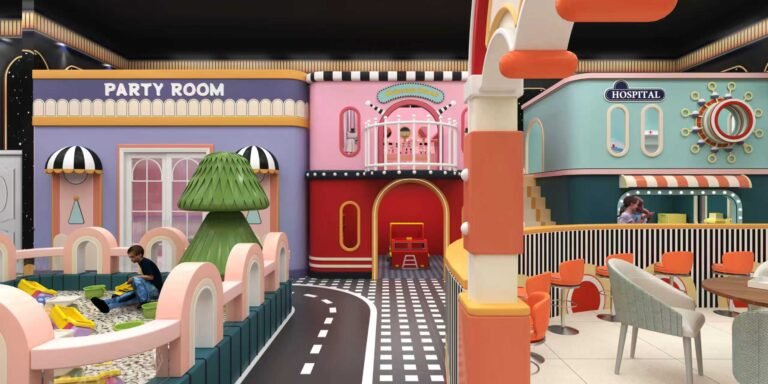


Wie gestaltet man Zonen und Kapazitäten für ein rentables Spielcafé-Layout?
Ein weit verbreiteter Irrglaube ist “mehr Spielgeräte = mehr Wert”. In Wirklichkeit wird der Gewinn in der Regel durch Aufsicht, Warteschlangen, Zugang zur Reinigung und die Frage, ob die Eltern die Kinder vom Sitzplatz aus sehen können, eingeschränkt. Überfüllte Anlagen sehen am ersten Tag aufregend aus, werden aber im dritten Monat zu wartungsintensiv.
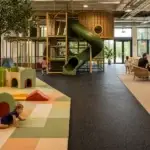
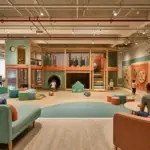
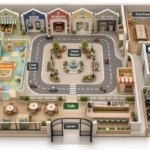
Entwerfen Sie das Layout um Altersabgrenzung + Sichtbarkeit + Durchsatz. Für die meisten Veranstaltungsorte ist es wichtig, dass Kleinkinder von älteren Kindern, die sich schnell bewegen, getrennt sind, dass das Personal freie Sicht hat und dass ein Kreislauf eingerichtet ist, der Engpässe bei den Schuhen/Schließfächern, Toiletten und Partyräumen verhindert.
Streben Sie einen Zonenmix an, der zu Ihrer Einnahmestrategie passt (Tickets vs. Mitgliedschaften vs. Partys). Ein praktischer Richtwert (oft angepasst an die örtlichen Gewohnheiten und den Schwerpunkt Ihrer Speisekarte) sieht folgendermaßen aus:
| Zone | Typischer Flächenanteil (Spanne) | Warum dies für die Praxis wichtig ist |
|---|---|---|
| Softplay für Kleinkinder (0-3) | 10-20% | reduziert Konflikte, unterstützt den werktäglichen Verkehr |
| Haupt-Softplay (3-8/10) | 25-40% | Kernspielwert + Wiederholungsbesuche |
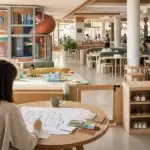
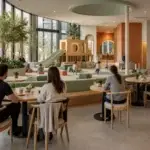
| Café-Bestuhlung + Service | 25-40% | Verweildauer, Komfort für die Eltern, höherer Umsatz |
| Party-/Privatraum(e) | 5-15% | margenstärkere Buchungen, vorhersehbare Blöcke |
| Eingang / Schuhe / Schließfächer / Kinderwagen | 5-10% | kontrolliert Verstopfung + Hygieneroutine |
| Unterstützung (Toiletten, Lagerung, Personal) | 8-15% | Reinigungsgeschwindigkeit, Warenfluss, Compliance |
Verwenden Sie für die Kapazitätsplanung Spannen (denn die Spieldichte hängt von der Altersmischung und Ihrem Regelwerk ab). Viele Betreiber beginnen mit einem Ziel von 1 Kind pro ~2-4 m² aktive Spielfläche als grobe Planungsspanne, die Sie dann je nach Attraktionen und Aufsicht verfeinern können. Wenn Ihre Café-Bestuhlung bequem und die Sichtverhältnisse gut sind, können Sie die Familien oft länger halten, ohne dass auf der Spielfläche ein Chaos entsteht - dies wirkt sich sowohl auf den F&B-Umsatz als auch auf den Personalrhythmus aus.
Operative Details, die Reibungsverluste im Alltag verhindern:
- Eine kontrollierte Einreise zur Spielzone (Armbänder, Kontrolle der Verzichtserklärung, Schuhvorschriften).
- Freier Zugang zur Reinigung zu berührungsintensiven Ecken (Rutschen, Ballecken, Rollenspielküchen).
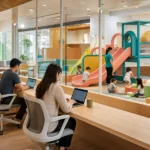
- Sichtlinien der Eltern von 70-90% der Sitzgelegenheiten zum Hauptspielgerät, wo dies möglich ist.
- Warteschlangenpunkte für beliebte Elemente (Rutschenturm, Tramp-Bereich, Rollenspiel-Kasse), damit die Schlangen nicht die Wege blockieren.
Wenn Sie noch nicht wissen, was ein Spielcafé ist und welche Modelle es weltweit gibt, finden Sie hier hilfreiche Informationen Der komplette Leitfaden für Play Cafés: Konzept, Geschäftsmodell und zukünftige Trends-und kommen dann zurück, um Ihre CAD-Layout- und 3D-Rendering-Entscheidungen zu verfeinern.
Welche Genehmigungen, Sicherheitsstandards und Unterlagen sollten Sie einplanen?
Manche Eigentümer betrachten die Einhaltung der Vorschriften als ein letztes Kontrollkästchen. Der bessere Ansatz ist, sie als eine Design-Input, Denn die Anforderungen können die Ausgänge, die Innenausstattung, das Brandverhalten und sogar die Trennung von Café- und Spielfunktionen verändern.
Zumindest sollten Sie Folgendes einplanen: Geschäftslizenzen, Genehmigungen für die Gastronomie, Brandschutz-/Gebäudeprüfungen, Beschilderung der Belegung/Belastung, Versicherungen und dokumentierte Betriebsregeln (Altersgrenzen, Aufsicht, Reinigung, Umgang mit Zwischenfällen).
Wenn Sie für mehrere Märkte bauen oder einen anerkannten Sicherheitsrahmen als Leitfaden für das Design wünschen, beziehen sich Indoor-Spielprojekte oft auf Standards wie ASTM F1918 für weiche, geschlossene Spielgeräte und EN 1176 Serie für Spielplatzgeräteprinzipien (marktabhängig). Die Dokumentation kann Materialinformationen, Teilenummern und Installationshinweise enthalten, die die Prüfung vor Ort vereinfachen. Die endgültige Einhaltung hängt von den örtlichen Vorschriften und der zuständigen Behörde ab.
Aus Sicht des Herstellers und des Käufers sollten Sie diese Unterlagen frühzeitig anfordern (auch wenn Ihr örtlicher Prüfer nicht alle Unterlagen anfordert):
- CAD-Layout mit Abmessungen und Abständen (damit Ihr Architekt Ausgänge, Gänge und Toiletten koordinieren kann).
- 3D-Rendering zur Genehmigung durch die Interessengruppen (um Änderungsaufträge nach Produktionsbeginn zu vermeiden).
- Stückliste / Ausrüstungsliste mit Materialien und wichtigen Kontaktflächen (nützlich für die Wartungsplanung).
- Packliste + Teilenummerierung (reduziert die Installationszeit und Streitigkeiten über fehlende Teile).
- Anleitung zum Einbau (Fotos, Schrittfolge, Kontrolle des Anziehens, Kontrolle der Netzspannung).
Hinzu kommen die Anforderungen an die Lebensmittelsicherheit und die Arbeitsabläufe im Café - Waschstationen, Lagerung, Geschirrspülen, Temperaturkontrolle und Schädlingsbekämpfung. Selbst wenn Sie eine vereinfachte Speisekarte verwenden, wirkt sich Ihr Back-of-House-Plan auf Inspektionen und tägliche Arbeit aus.
Eine praktische Methode zur Risikominderung ist die Erstellung einer “Dokumentationskarte” vor der Auftragsvergabe: Listen Sie auf, was der Vermieter, der Architekt, der Brandschutzbeauftragte/die Bauaufsichtsbehörde und der Versicherer in Ihrer Region üblicherweise verlangen, und richten Sie dann Ihr Lieferantenpaket an dieser Liste aus. Auf diese Weise wird vermieden, dass sich die Eröffnung in letzter Minute verzögert.
Um zu verstehen, wie Betreiber einschätzen können, ob ein Familientreffpunkt seine Einnahmen aufrechterhalten kann (und nicht nur geöffnet ist), ist dieser Leitfaden auf wie man beurteilt, ob ein Indoor-Spielplatz rentabel sein kann ist ein nützlicher Entscheidungsrahmen - vor allem, wenn Sie sich zwischen mehr Sitzplätzen, mehr Spielmöglichkeiten oder mehr Partykapazität entscheiden müssen.
Wie viel kostet es, ein Spielcafé zu eröffnen, und wohin fließt das Geld?
Der größte Fehler bei der Budgetierung ist es, nur “Spielplatzgeräte + Kaffeemaschine” einzurechnen. Ein Budget für ein Spielcafé ist in der Regel eine Kombination aus Mietereinbauten, Spielgeräte, Küchenbau, Genehmigungen/Versicherungen, und Betriebskapital für die ersten Monate der Tätigkeit.
Die typischen Anlaufkosten hängen von der Stadt, der Höhe der Miete, dem Zustand des Raums und der Komplexität des Projekts ab. Viele Projekte landen in der mittlerer sechsstelliger Betrag; Kleinere, vereinfachte Gebäude können günstiger sein, während Premium-Ausstattungen in Spitzenlagen deutlich teurer sein können. Der richtige Weg, um ein Budget zu erstellen, ist die Aufteilung in Eimer:
| Kosten-Eimer | Was ist inbegriffen? | Typischer Anteil am Gesamtvolumen (Spanne) |
|---|---|---|
| Mietvertrag + Kaution + Honorare | Kaution, juristischer Beitrag, Architekt/MEP | 8-20% |
| Ausstattung/Bau | Wände, Böden, Toiletten, Änderungen an der HLK, Beleuchtung | 20-45% |
| Spielgeräte + Bodenbeläge | Softplay, Netze, Polster, Rollenspielsets | 15-35% |
| Café- und Küchenausstattung | Espresso, Kühlung, Spülbecken, Kleingeräte | 8-20% |
| Brandschutz/Lebenssicherheit + Beschilderung | Alarmanlagen, Sprinkleranlagen (falls erforderlich), Ausgangsschilder | 3-15% |
| Fracht/Gebühren + lokale Zustellung | Versandart, Zoll, letzte Meile | 3-12% |
| Einrichtung | Arbeit, Aufzüge, Werkzeuge, Punchlist | 3-10% |
| Voreröffnung + Betriebskapital | Schulung, Erstinventarisierung, Lohnpuffer | 8-20% |
Um dies zu verdeutlichen, ist eine gängige Referenz mittlerer Größe ein ~200 m² Spiel-Café. Bei dieser Größenordnung sind die Kosten in der Regel davon abhängig, (1) ob das Gebäude bereits über konforme Toiletten und eine ausreichende Elektro-/Klimatechnik verfügt, (2) wie thematisch das Spielgerät gestaltet ist und (3) ob die Sanitäranlagen des Cafés aufgerüstet werden müssen. Wenn Sie einen grössenspezifischen Überblick haben möchten, finden Sie hier Investitionskosten für ein 200 m² großes Spielcafé ist eine gute Grundlage für die Abstimmung von Gebiet, Ausstattungsumfang und Budgetlogik.
Entscheidungen zur Kostenkontrolle, die dennoch die Ergebnisse schützen:
- Vorrang für Langlebigkeit mit hohem Kontaktwert (Polsterung, Netzspannung, Verschleißpunkte) gegenüber rein dekorativer Komplexität.
- Design für Reinigungsgeschwindigkeit (weniger tote Ecken; herausnehmbare/auswechselbare weiche Elemente).
- Module nach Möglichkeit standardisieren Dadurch sind die Fertigungszeiten vorhersehbar und die Installation erfolgt schneller.
- Frühzeitige Wahl der Versandstrategie (See vs. Luft vs. gemischt), da dies sowohl den Zeitplan als auch den Cashflow verändert.
Wenn Sie auch planen, wie sich das Format weiterentwickeln soll (Mitgliedschaft, saisonale Veranstaltungen, “stille Vormittage”, Abende für Erwachsene), Spielcafé-Trends: Gestalten Sie die Zukunft des Spielcafés kann Ihnen dabei helfen, Funktionen zu planen, die auch zwei Jahre nach dem Start noch sinnvoll sind.
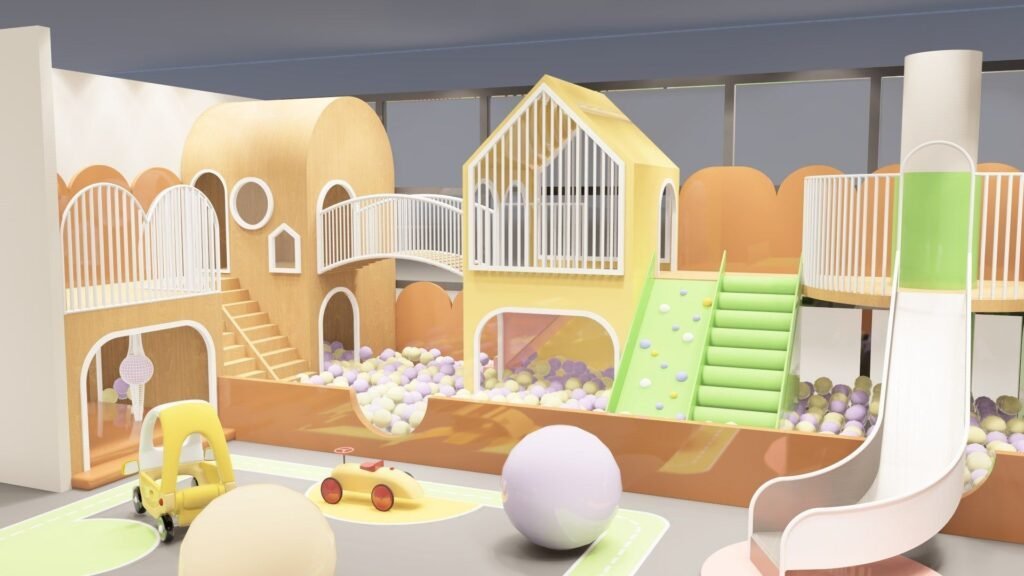
Schlussfolgerung
Die Gründung eines Spielcafés ist ein Projekt, das aufgebaut und betrieben werden muss, und nicht nur eine Branding-Übung. Der zuverlässigste Weg ist: den Bedarf zu ermitteln, einen geeigneten Standort zu wählen, ein Geschäftsmodell und einen Bebauungsplan festzulegen und dann Design, Produktion, Versand und Installation mit klarer Dokumentation und realistischen Puffern voranzutreiben. Budgetieren Sie nach Kostenbereichen (Ausstattung, Spiel, Küche, Einhaltung der Vorschriften, Fracht/Zölle, Betriebskapital) und treffen Sie Layout-Entscheidungen, die den Personal- und Reinigungsaufwand verringern und gleichzeitig die Sicherheitsstandards und die Sichtlinien der Eltern schützen.
Wenn Sie einen schnellen, praktischen nächsten Schritt wünschen, teilen Sie Ihre Grundriss, nutzbare Fläche und Deckenhöhe, und wir können Ihnen eine grundsätzliche Einteilung in Zonen (Kleinkind/Hauptgericht/Café/Party) und eine grobe Kapazitätslogik vorschlagen. Falls hilfreich, können Sie auch eine einfache Budget-Checkliste/BOM-Vorlage anfordern, um Ihren Investitionsplan zu strukturieren.
Referenzen
- ASTM International. (2021). ASTM F1918 - Standard-Sicherheitsleistungsspezifikation für weiche, geschlossene Spielgeräte. https://www.astm.org/f1918-21.html
- BSI Group. (2017). Spielplätze für Kinder: Ein Leitfaden für Normen für Spielplatzgeräte und -beläge (Reihe BS EN 1176). https://www.bsigroup.com/contentassets/fd0e8cd7dd174774890cd67e03389a99/childrens-playground-stds-hi-res.pdf
- U.S. Food & Drug Administration. (2022). Lebensmittel-Code 2022. https://www.fda.gov/food/fda-food-code/food-code-2022
- Nationale Feuerschutzvereinigung. (n.d.). NFPA 101: Life Safety Code (Überblick). https://www.nfpa.org/codes-and-standards/1/0/1/nfpa-101
- International Code Council. (2021). 2021 Internationales Baugesetzbuch (Online-Zugangsportal). https://codes.iccsafe.org/content/IBC2021P1

 English
 Spanish
 German