
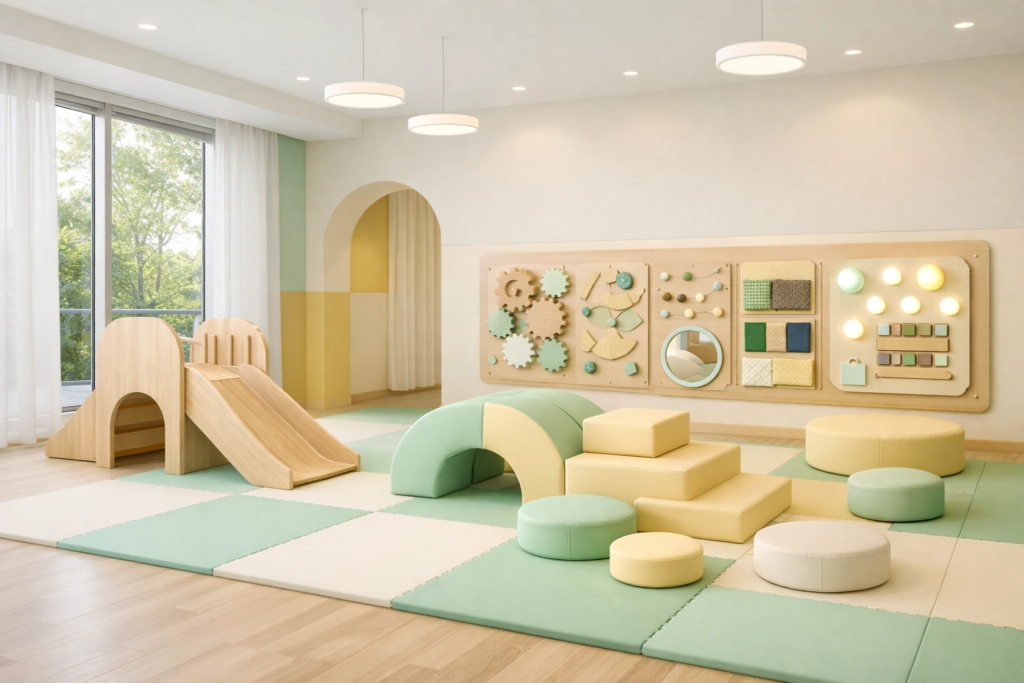
Viele Betreiber von Kindertagesstätten sehen sich mit einem frustrierenden Engpass konfrontiert: Sie wissen, dass ein qualitativ hochwertiger Spielbereich für die Entwicklung der Kinder und die Aufnahme in die Einrichtung unerlässlich ist, sind jedoch durch eine Grundfläche von weniger als 500 Quadratmetern eingeschränkt. Dieser Platzmangel führt oft zu überfüllten Räumen, eingeschränkter körperlicher Betätigung der Kinder und einem “überladenen” Erscheinungsbild, das potenzielle Eltern bei Besichtigungen abschrecken kann. Ohne eine strategische Herangehensweise an einen kleinen Indoor-Spielplatz für Kindertagesstätten riskieren Sie, bei den örtlichen Zulassungsinspektionen durchzufallen, die Verletzungsrate aufgrund eines schlechten Verkehrsflusses zu erhöhen und auf den Wettbewerbsvorteil zu verzichten, den eine professionelle Spielzone bietet.
Der effektivste Weg, einen kleinen Indoor-Spielplatz für Kindertagesstätten mit weniger als 500 Quadratmetern einzurichten, besteht darin, von der horizontalen Erweiterung auf vertikale und wandintegrierte Lösungen umzustellen. Durch den Einsatz mehrstufiger weicher Spielstrukturen, sensorischer Wandpaneele und modularer Zoneneinteilung können Sie bis zu 10-15 Kinder gleichzeitig unterbringen und gleichzeitig strenge Sicherheitsstandards wie ASTM F1918 erfüllen. Der Erfolg hängt davon ab, dass Sie der Langlebigkeit bei hoher Beanspruchung, klaren Sichtlinien für die Aufsicht und Geräten, die mehrere Entwicklungszwecke erfüllen, Priorität einräumen.
Die Herausforderungen bei der Gestaltung eines Indoor-Spielplatzes für Kindertagesstätten auf kleinem Raum
Der Betrieb einer Kindertagesstätte in einer städtischen Umgebung oder in einem umgebauten Wohngebäude bedeutet oft, dass jeder Quadratzentimeter kostbar ist. Bei der Planung eines kleinen Indoor-Spielplatzes für Kindertagesstätten stoßen die Betreiber in der Regel auf drei Haupthindernisse, die ein Projekt zum Scheitern bringen können, wenn sie nicht frühzeitig angegangen werden.
1. Lizenz- und Quadratmeteranforderungen: Die meisten staatlichen und provinziellen Aufsichtsbehörden verlangen zwischen 35 und 50 Quadratmetern nutzbare Innenfläche pro Kind. In einem 500 Quadratmeter großen Raum können theoretisch 10-14 Kinder untergebracht werden. Wenn man jedoch fest installierte Geräte, Fächer und vorgeschriebene Notausgänge hinzufügt, schrumpft dieser “nutzbare” Raum schnell.
2. akustische und sensorische Überlastung: In kleinen, geschlossenen Räumen kann der Lärm des aktiven Spiels ohrenbetäubend werden. Ohne akustische Maßnahmen oder “Ruhezonen” kann die Umgebung sowohl für die Kinder als auch für das Personal überreizend werden, was zu erhöhtem Stress und Verhaltensproblemen führt.
3. der Konflikt “Aufbewahrung vs. Spiel”: Kindertagesstätten brauchen Unmengen an Stauraum für Matten, Spielzeug und Zubehör. Oft werden Spielbereiche geopfert, um Platz für Regale zu schaffen. Ein professioneller Indoor-Spielplatz auf kleinem Raum für Kindertagesstätten muss die Aufbewahrung in die Spielstruktur selbst integrieren, um diesen Konflikt zu lösen.
Maximierung des ROI mit einem kleinen Spielbereich für Kindertagesstätten
Für ein Kindertagesstättenunternehmen ist ein Indoor-Spielplatz nicht nur ein Kostenfaktor, sondern auch ein Marketinginstrument und ein Betriebsmittel. Um Ihren Return on Investment (ROI) bei einer Grundfläche von weniger als 500 Quadratmetern zu maximieren, müssen Sie Geräte auswählen, die den höchsten “Spielwert pro Quadratmeter” bieten.”
Vertikalität: Der einzige Weg führt nach oben
In einem 400 oder 500 Quadratmeter großen Raum ist eine einstöckige Spielmatte eine Verschwendung von Potenzial. Mit einer zweistöckigen Spielstruktur können Sie Ihren Spielbereich effektiv verdoppeln. Während die Grundfläche bei 150 Quadratmetern bleibt, haben die Kinder 300 Quadratmeter Erkundungsraum. Dieser vertikale Ansatz ermöglicht Rutschen, Krabbeltunnel und Beobachtungsblasen, die die Kinder über einen längeren Zeitraum beschäftigen.
In die Wand integriertes Spiel
Wandflächen sind die am wenigsten genutzte Fläche in kleinen Kindertagesstätten. Durch die Installation von hochwertigen sensorischen Paneelen, Zahnradwänden und taktilen Puzzles schaffen Sie “Aktivitätsstationen”, die keine Bodenfläche beanspruchen. Dadurch bleibt die Mitte des Raums für den Verkehr und Gruppenaktivitäten offen, was für die Aufrechterhaltung der Sicherheit und die Einhaltung der Brandschutzvorschriften entscheidend ist.
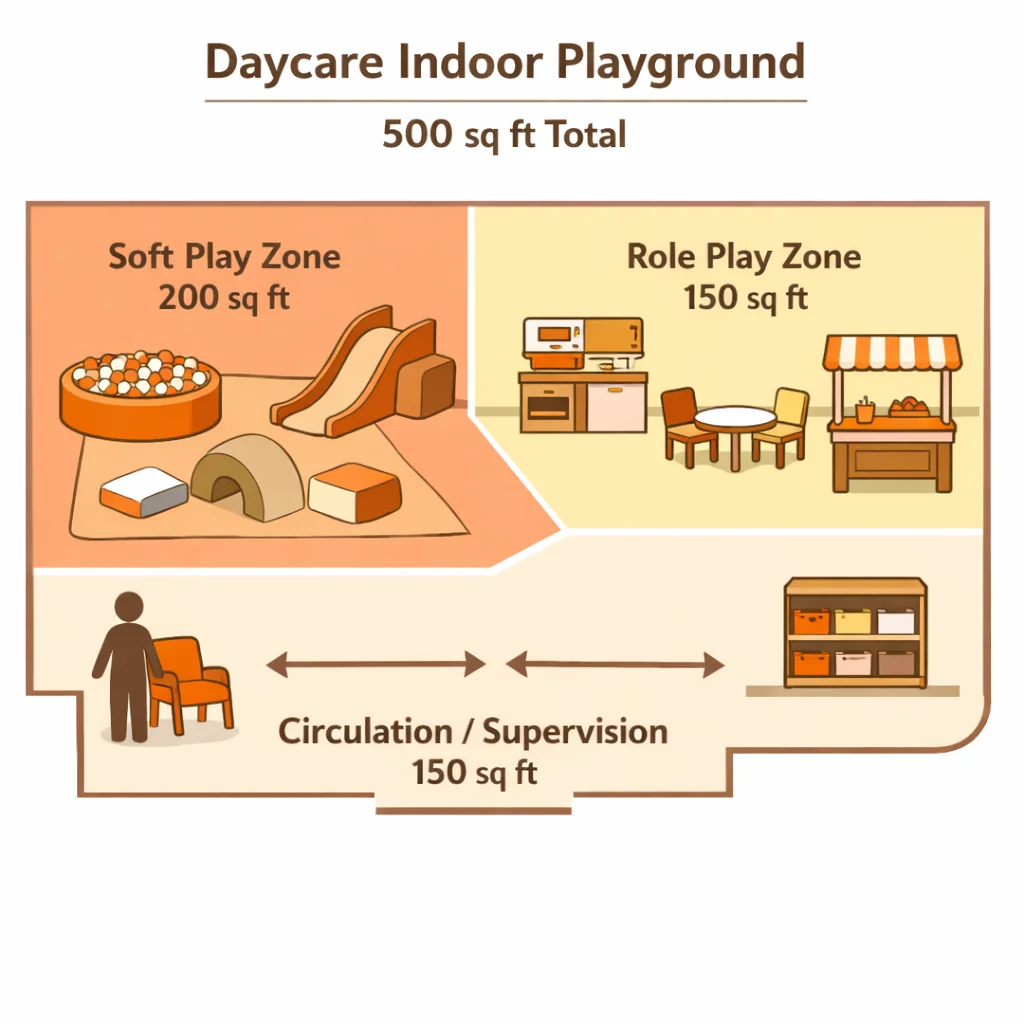
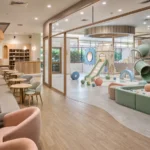
Ein professioneller Bebauungsplan für einen 500 m² großen Indoor-Spielplatz für Kindertagesstätten, der aktives Spielen, sensorische Erkundung und Beaufsichtigung vereint.
Strategische Raumplanung für einen kleinen Kinderspielplatz
Selbst in einem kleinen Raum ist ein “offener Plan” oft ein Rezept für Chaos. Eine effektive Zonierung schafft ein Gefühl der Ordnung und ermöglicht es den Kindern, verschiedene Arten von Spielen zu spielen, ohne sich gegenseitig zu stören.
| Zone Typ | Empfohlene Quadratmeterzahl | Ausrüstung Fokus |
| Aktives Soft Play | 200 - 250 | Mehrere Kletterebenen, weiche Rutschen, Ballspielplätze. |
| Sinnlich & leise | 50 - 80 | Wandtafeln, taktile Matten, weiche Sitzgelegenheiten. |
| Rollenspielecke | 80 - 120 | Mini-Küchen, Verkleidungen, “Kleinstadt”-Elemente. |
| Zirkulation und Sicherheit | 50 - 100 | Freie Wege zu den Ausgängen, Überwachung der Sitzplätze. |
Wenn man dieser Logik der Zonierung folgt, wirkt ein kleiner Indoor-Spielplatz für Kindertagesstätten eher gewollt als zufällig. So kann eine Erzieherin den aktiven Bereich beaufsichtigen, während sich ein anderes Kind mit einem ruhigen Sinnesspiel beschäftigt, wodurch die Gesamtenergie des Raums auf ein überschaubares Maß reduziert wird.
Sicherheitsstandards für kleine Indoor-Spielplätze für Kindertagesstätten
In einer kompakten Umgebung ist das Risiko von Zusammenstößen höher. Daher müssen Ihre Geräte die strengsten kommerziellen Standards erfüllen. Wir von Koalaplay betonen, dass “klein” niemals “schlechte Qualität” bedeuten sollte.”
• Einhaltung der ASTM F1918: Dies ist die nordamerikanische Norm für weiche, geschlossene Spielgeräte. Sie deckt alles ab, von der Festigkeit des Netzes bis hin zur Gefahr des Einklemmens des Kopfes in kleinen Öffnungen.
-feuerhemmende Materialien: In einem 500 m² großen Raum breitet sich Feuer schnell aus. Alle Schaumstoff-, Vinyl- und Kunststoffteile müssen feuerbeständig sein (Klasse A oder gleichwertig), um die Sicherheit der Kinder und die Einhaltung der örtlichen Bauvorschriften zu gewährleisten.
-Ungiftige Oberflächen: Kinder in Kindertagesstätten erkunden oft mit dem Mund. Unsere Materialien sind bleifrei, phthalatfrei und lassen sich mit handelsüblichen Reinigungsmitteln leicht desinfizieren.
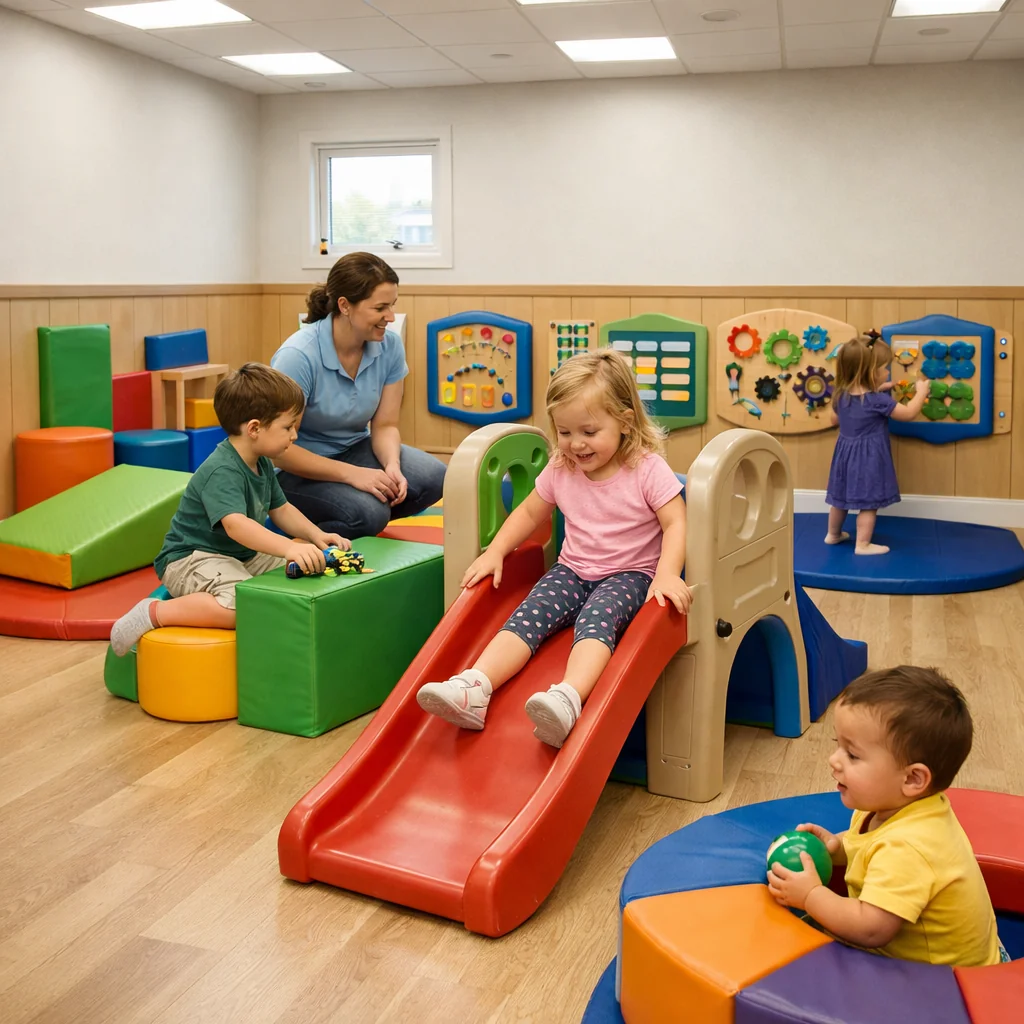
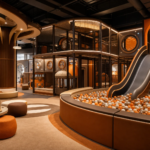
Ein kompakter Spielbereich für Kindertagesstätten, der die weiche Polsterung und klare Sichtlinien, um maximale Sicherheit auf kleinstem Raum zu gewährleisten.
Warum wählen Koalaplay für Ihren kleinen Indoor-Spielplatz für Kindertagesstätten?
Als führender Hersteller von Indoor-Spielcafés für gewerbliche Einrichtungen kennt Koalaplay die einzigartigen Zwänge des Kindertagesstättenmarktes. Wir verkaufen nicht nur Geräte, sondern bieten räumliche Lösungen.
Werksnahe Kompetenz
Da wir unsere eigene Produktionsstätte betreiben, können wir die Geräte genau an Ihre Raummaße anpassen. Wenn Sie eine ungünstige Säule oder eine niedrige Decke in Ihrem 450 m² großen Raum haben, können wir eine Struktur entwerfen, die diese Hindernisse umgeht, so dass kein Platz verschwendet wird.
Langlebigkeit für stark beanspruchte Bereiche
Kindertagesstättengeräte werden 8-10 Stunden am Tag, 5 Tage die Woche benutzt. Spielzeug für den Hausgebrauch fällt in wenigen Monaten auseinander. Koalaplay verwendet hochdichten Schaumstoff (30 kg/m³+), strapazierfähiges 0,55-mm-PVC-Vinyl und verstärkte Nähte, um sicherzustellen, dass Ihre Investition Jahre und nicht Wochen hält.
Umfassende Unterstützung
Von der ersten 3D-Entwurfsberatung bis zur abschließenden Installations-Checkliste begleitet Sie unser Team durch den gesamten Prozess. Wir helfen Ihnen bei der Einhaltung der örtlichen Vorschriften und sorgen dafür, dass Ihr kleiner Indoor-Spielplatz für Kindertagesstätten eine Quelle des Stolzes für Ihr Unternehmen ist.
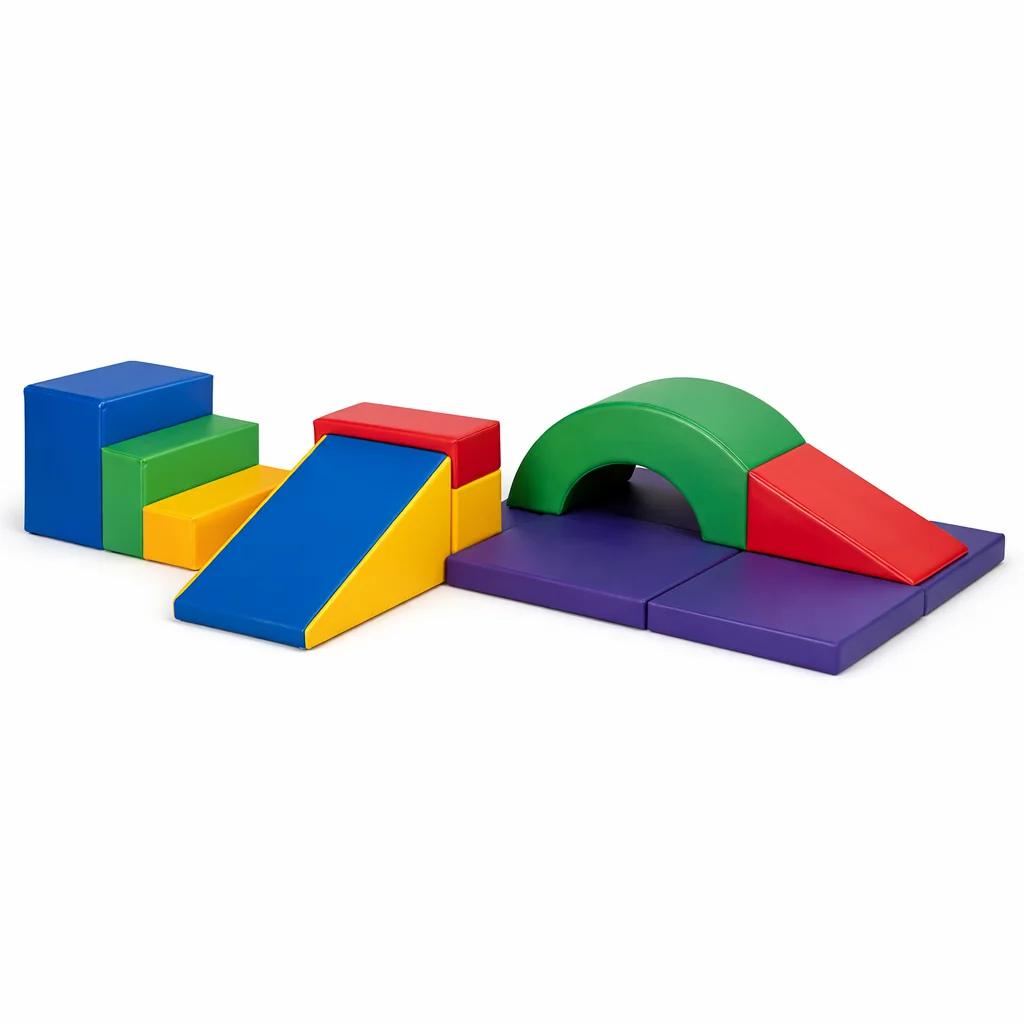
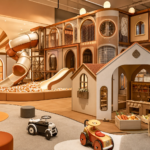
Hochbelastbare Softplay-Komponenten von Koalaplay, entwickelt für den harten täglichen Einsatz in einer kommerziellen Kindertagesstätte.
Häufige Fehler, die in kleinen Spielbereichen vermieden werden sollten
1. den Raum übermäßig ausstatten: Es ist verlockend, jede coole Funktion hineinzupacken. Ein kleiner Indoor-Spielplatz für Kindertagesstätten braucht jedoch “Luft zum Atmen”. Wenn der Raum zu voll ist, können sich die Kinder nicht sicher bewegen, und das Verletzungsrisiko steigt.
2. der fehlende Zugang zur Wartung: Selbst bei einer kleinen Anlage muss man in das Innere gelangen können, um die Ballspielplätze zu reinigen oder die Tunnel abzuwischen. Stellen Sie sicher, dass Ihr Entwurf “Reißverschluss-Zugänge” für das Personal vorsieht.
3. unzureichende Beleuchtung: Kleine Räume können “höhlenartig” wirken, wenn sie nicht richtig beleuchtet sind. Verwenden Sie eine helle, warme LED-Beleuchtung, damit der Raum größer und für die Eltern einladender wirkt.
Schlussfolgerung
Die Gestaltung eines kleinen Indoor-Spielplatzes für Kindertagesstätten mit einer Fläche von weniger als 500 m² erfordert einen Wechsel der Perspektive. Durch die Einbeziehung der Vertikalität, die Integration von Aktivitäten an der Wand und die Einhaltung strenger Zonen- und Sicherheitsstandards können Sie eine Spielumgebung von Weltklasse schaffen, die trotz ihrer geringen Größe überzeugt. Diese Investition fördert nicht nur die körperliche und kognitive Entwicklung der Kinder in Ihrer Einrichtung, sondern ist auch ein starker Motor für Geschäftswachstum und Elternzufriedenheit.
Wir von Koalaplay haben uns darauf spezialisiert, kleine Räume grenzenlos zu machen. Ganz gleich, ob Sie eine neue Kita eröffnen oder eine bestehende Kita ausbauen möchten, unser Team hilft Ihnen bei der Planung, Gestaltung und Installation der perfekten Spiellösung. und machen Sie den ersten Schritt zur Umgestaltung Ihrer Kita.
Häufig gestellte Fragen
Wie viele Kinder passen auf einen 500 m² großen Indoor-Spielplatz?
Je nach Layout und örtlicher Zulassung kann ein 500 m² großer Indoor-Spielplatz für Kindertagesstätten in der Regel 10-15 Kinder sicher beherbergen. Die Nutzung mehrstufiger Strukturen ist der Schlüssel zur Maximierung dieser Kapazität.
Welches ist das haltbarste Material für Spielgeräte in Kindertagesstätten?
Handelsübliches 0,55 mm starkes PVC-Vinyl und hochdichter Schaumstoff sind der Industriestandard. Diese Materialien sind reißfest, feuerhemmend und leicht zu desinfizieren, was sie perfekt für den Einsatz in stark frequentierten Kindertagesstätten macht.
Braucht ein kleiner Indoor-Spielplatz eine professionelle Installation?
Auch wenn einige modulare Spielgeräte “Plug-and-Play” sind, sollte jede geschlossene Struktur oder jedes mehrstufige Klettergerüst professionell installiert werden, um sicherzustellen, dass es den ASTM- und Bauvorschriften entspricht.
Wie reinige ich einen kleinen Indoor-Spielplatz täglich?
Verwenden Sie ein ungiftiges, krankenhausgeeignetes Desinfektionsspray und Mikrofasertücher. Für Ballspielplätze empfehlen wir die Verwendung einer Ballreinigungsmaschine oder eines Netzbeutelsystems zur regelmäßigen Desinfektion.





 English
 Spanish
 German