
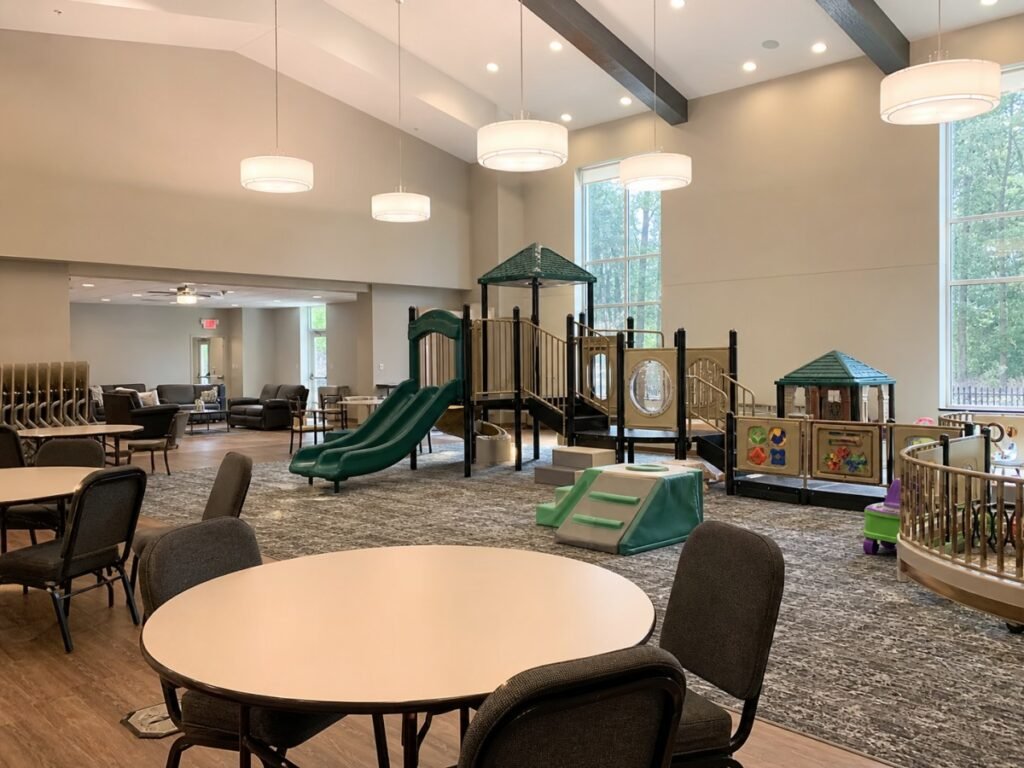
El diseño de zonas de juego interiores para preescolares resulta complicado porque los usuarios son pequeños, ágiles, curiosos y aún están aprendiendo a controlar su cuerpo. Una distribución que parezca atractiva en una representación gráfica puede resultar insegura, ruidosa, difícil de supervisar o cara de mantener si el diseño no se adapta a la forma en que los niños de entre 2 y 5 años se mueven y juegan en la realidad.
Las consecuencias de un diseño deficiente se hacen evidentes cada día: los padres no pueden ver a sus hijos, el personal dedica demasiado tiempo a ordenar los materiales sueltos, los niños pequeños se adentran en las zonas de los mayores, los materiales blandos se desgastan prematuramente y el espacio transmite una sensación de caos en lugar de tranquilidad.
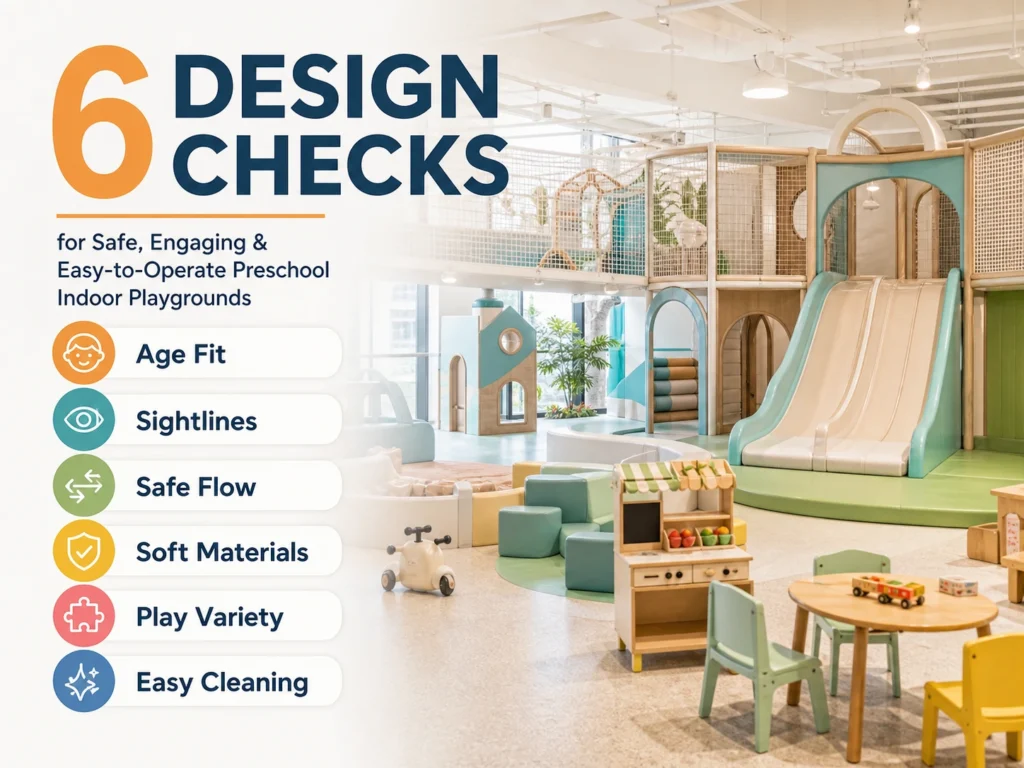
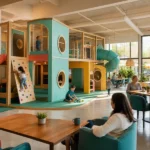
Los elementos clave del diseño de un parque infantil interior para preescolares son la distribución por zonas adecuada a la edad, líneas de visión claras para la supervisión, un flujo de movimiento seguro, materiales blandos y duraderos, un valor lúdico equilibrado, un acceso inclusivo, la planificación de la higiene y la documentación de los proveedores. Un buen diseño integra todos estos elementos antes de que comience la producción.
Las prioridades de diseño más importantes en el diseño de parques infantiles de interior para preescolares
A parque infantil cubierto para preescolares debería planificarse en torno a ocho elementos prácticos:
| Elemento | Qué resuelve |
|---|---|
| Clasificación por edades | Distingue entre niños pequeños, niños en edad preescolar, juegos tranquilos y movimientos más rápidos |
| Sightlines | Ayuda a los padres y al personal a supervisar sin tener que estar constantemente de un lado para otro |
| Flujo de movimiento | Reduce las colisiones en toboganes, puertas, vías de escalada y salidas |
| Materiales blandos de seguridad | Resiste caídas, arrastres, presiones y los impactos cotidianos |
| Variedad de juegos | Combina actividades dinámicas, sensoriales, de juego simbólico, sociales y tranquilas |
| Accesibilidad | Hace que el espacio resulte más accesible, fácil de utilizar y de entender |
| Limpieza y mantenimiento | Facilita la gestión de las superficies, el almacenamiento y las rutinas de inspección |
| Asistencia a los proveedores | Verifica los planos, los materiales, las normas, la instalación y las piezas de recambio |
El objetivo del diseño no es llenar cada rincón con equipamiento. El objetivo es crear un espacio en el que los niños en edad preescolar puedan explorar con seguridad, los padres puedan relajarse y los responsables puedan gestionar el recinto sin problemas cotidianos.
1. Empieza por el rango de edades, no por la lista de material
Los niños en edad preescolar no son una versión más pequeña de los niños mayores. Necesitan plataformas más bajas, recorridos más cortos, retos más sencillos, agarres más grandes, pendientes suaves y límites bien definidos. Un diseño pensado para niños en edad preescolar debería evitar, por lo general, toboganes de alta velocidad, torres de red altas, túneles sin visibilidad y rutas de escalada difíciles, a menos que esos elementos se limiten cuidadosamente y se supervisen.
En la mayoría de los proyectos comerciales, la primera cuestión que hay que plantearse es muy sencilla: ¿quién es el usuario principal?
- Los niños de 1 a 3 años necesitan bloques blandos, mini estructuras para trepar, paneles sensoriales, toboganes bajos, espacios para gatear y una buena visibilidad por parte del cuidador.
- Los niños de entre 3 y 5 años ya pueden participar en más juegos de simulación, recorridos de equilibrio, escaladas sencillas, circuitos cortos de obstáculos, juegos de rol y juegos sociales.
- Los locales con público de diferentes edades necesitan una separación física, no solo un cartel en la pared.
Koalaplay suele considerar el área de preescolar como una lógica de diseño independiente dentro de un conjunto más amplio juegos infantiles de interior plan. La zona de preescolar debe dar la sensación de ser un espacio completo en sí misma, aunque el recinto cuente también con estructuras de juego más grandes para niños de más edad.
2. Utilizar la zonificación para controlar el consumo energético
Un buen diseño del patio de un centro de educación infantil permite controlar la energía de los niños antes de que se convierta en un problema de seguridad. Las zonas de juego activo, de juego tranquilo, los asientos para los padres, la zona de recepción, los espacios de almacenamiento y las zonas para fiestas no deben entrar en conflicto entre sí.
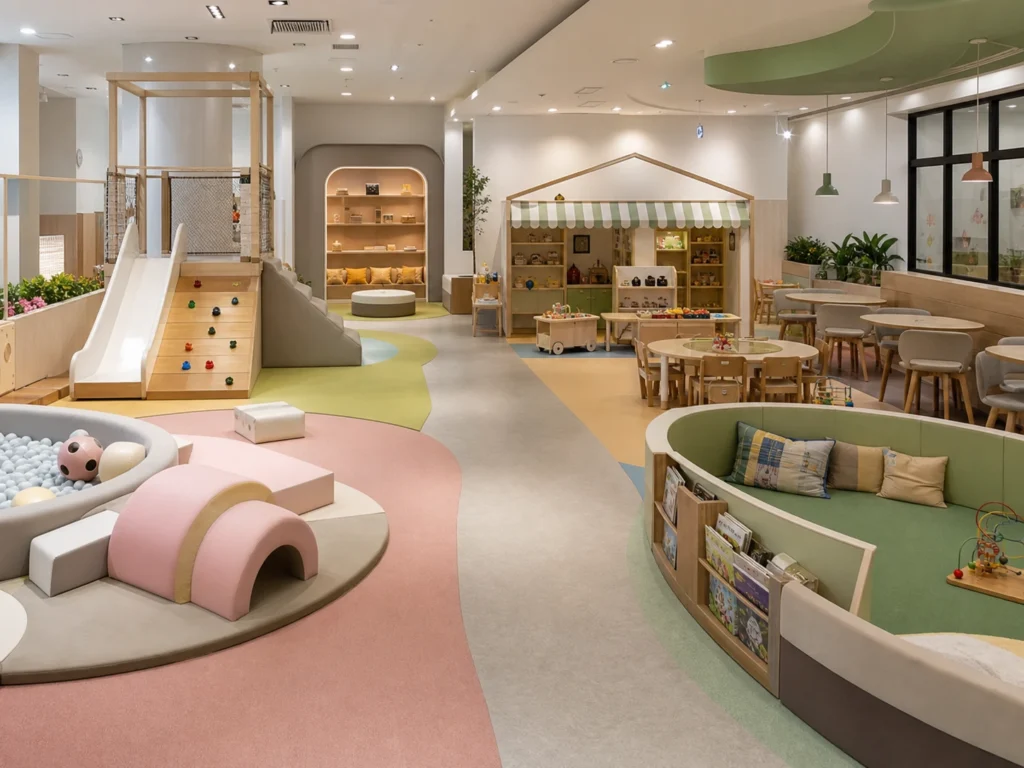
Una distribución práctica de un centro de educación infantil suele incluir:
- Zona de entrada y de zapatos cerca de la entrada, con normas claras y espacio para guardar las cosas.
- Zona de juegos blandos para niños pequeños, cerca de las zonas de descanso para los cuidadores.
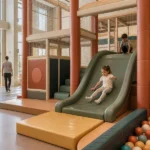
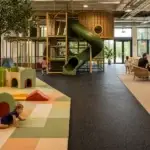
- Zona de actividad baja con toboganes, puentes, escalones, rampas y elementos para gatear.
- Zona de juegos de simulación o de rol para un juego social más tranquilo.
- Rincón de lectura, sensorial o de descanso, alejado de las salidas de los toboganes.
- Acceso y almacenamiento para el personal que no obstaculice el paso de los niños.
En el caso de los cafés de juegos, la zona infantil y la zona para adultos deben diseñarse conjuntamente. Koalaplay’s planificación de un café lúdicoEste enfoque se centra en el movimiento de los niños, los asientos para los padres, el funcionamiento de la cafetería y la visibilidad como un todo. Esto es importante porque los centros de educación infantil suelen depender de que los adultos permanezcan en las instalaciones, puedan observar cómodamente a sus hijos y vuelvan con frecuencia.
3. Mantener las líneas de visión despejadas
Las líneas de visión son uno de los elementos de diseño más importantes, pero a menudo se pasan por alto en los primeros bocetos conceptuales. Los niños en edad preescolar se mueven rápidamente. Los adultos necesitan poder observar el espacio desde los asientos, la entrada y los puestos del personal.
Evita colocar paneles altos, paredes opacas, decoraciones de gran tamaño o estructuras apiladas que impidan la supervisión. Utiliza separadores bajos, barreras transparentes, bordes curvos, frentes abiertos y zonas identificadas con colores. Si un túnel o una sala de juegos de simulación crea un punto ciego, haz que sea corto, ancho o abierto por un lado.
Las directrices de supervisión activa de Head Start hacen hincapié en situar a los adultos de manera que puedan ver y oír a los niños, observar y contar, escuchar, anticipar su comportamiento e intervenir cuando sea necesario. La misma lógica se aplica a los patios de los centros preescolares privados. La distribución del espacio debe facilitar una buena supervisión de forma natural, en lugar de obligar al personal y a los padres a tener que esforzarse por mantener la visibilidad.
En el caso de los locales que cuenten con mesas de cafetería, el salón de padres y zona de cafetería deberían estar orientadas hacia las principales zonas de juego. Los padres no deberían tener que quedarse junto a la verja durante toda la visita.
4. Diseña el flujo de movimientos antes de añadir funciones
Un parque infantil interior para preescolares requiere movimientos predecibles. Los niños deben saber dónde trepar, deslizarse, gatear, entrar, salir, esperar y reducir la velocidad.
Presta atención a estos cuatro puntos conflictivos de alto riesgo:
- Las salidas del tobogán dan a los principales senderos peatonales.
- Puertas que dan directamente a recorridos de juego activos.
- Zonas para niños pequeños situadas junto a los recorridos más rápidos para niños mayores.
- Espacios reducidos entre el equipamiento, los asientos y las barreras.
Utiliza barreras suaves, cambios de color en el suelo, separaciones redondeadas y aberturas despejadas para guiar el movimiento. Mantén despejadas las zonas de llegada. Ofrece a los niños un pequeño espacio de descanso tras un tobogán o una rampa, antes de que pasen a otra actividad.
Experiencia del equipo de Koalaplay: en los proyectos de educación infantil, los mejores diseños suelen parecer sencillos cuando se observan desde arriba. El valor reside en el espaciado, la dirección de los recorridos, la visibilidad y la lógica de reorganización. Un plano de planta demasiado recargado puede parecer atractivo en un catálogo, pero puede reducir la calidad del juego una vez que los niños están dentro.
5. Elige materiales suaves, resistentes y fáciles de limpiar
Los niños en edad preescolar se caen, gatean, se apoyan, se llevan objetos a la boca, arrastran bloques, derraman bebidas y utilizan las mismas superficies muchas veces al día. Los materiales deben garantizar la seguridad y facilitar la limpieza diaria, no solo aportar un estilo visual.
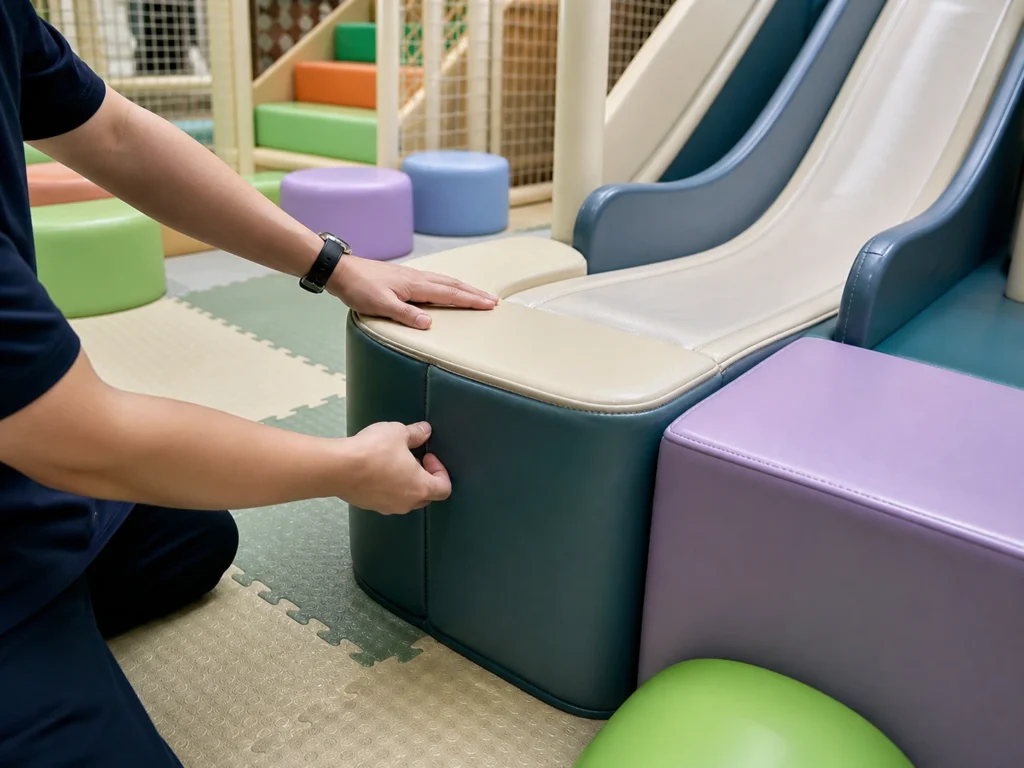
Entre las decisiones importantes relativas a los materiales se incluyen:
- Acolchado para el suelo y revestimiento que amortigua los impactos.
- Relleno blando alrededor de las esquinas, los postes, las plataformas y los bordes.
- Vinilo, tejido o acabado de superficie de calidad comercial que se pueda limpiar con un paño.
- Costuras resistentes, costuras selladas y espuma protegida.
- Conectores, marcos, mallas y fijaciones a la pared, según sea necesario.
- Superficies antideslizantes en escalones, rampas y plataformas.
Para las zonas de juego cubiertas con suelo blando, la norma ASTM F1918 es una referencia habitual en Estados Unidos, mientras que las directrices de la CPSC hacen hincapié en el revestimiento del suelo, las aberturas, los riesgos de atrapamiento, las redes de seguridad, las salidas de los toboganes, la limpieza y las revisiones de mantenimiento. Los requisitos varían según el país y el tipo de proyecto, por lo que los operadores deben confirmar la normativa local y los requisitos de inspección pertinentes antes de la apertura.
Koalaplay's calidad del material Esta información puede ayudar a los compradores a comparar las diferentes opciones de estructura, acolchado, espuma, paneles y superficies antes de confirmar un pedido de un parque infantil para preescolar.
6. Equilibrar el juego activo, sensorial, de simulación y tranquilo
Un parque infantil para niños en edad preescolar no debería limitarse solo a toboganes y estructuras para trepar. Los niños en edad preescolar necesitan diferentes tipos de juego durante una misma visita.
El juego activo fomenta la confianza en la motricidad gruesa. El juego sensorial estimula el tacto, el equilibrio, los sonidos, los colores y la conciencia corporal. El juego simbólico favorece el lenguaje, los roles sociales y las visitas repetidas. Los rincones tranquilos ofrecen a los niños un lugar donde relajarse.
Una mezcla adecuada para la etapa preescolar puede incluir:
- Poco deslizamiento y pasos suaves.
- Túnel para gatear o arco acolchado.
- Barra de equilibrio, plataformas de salto o puente blando.
- Tablero de actividades, pared sensorial, panel de espejos o laberinto de cuentas.
- Mini supermercado, cocina, consulta médica, peluquería, parque de bomberos o zona de obras.
- Rincón de lectura, zona de descanso o rincón de las tarjetas ilustradas.
Si el local acoge a grupos de guardería, programas de educación infantil o familias que acuden a cafeterías con zona de juegos, el equipamiento para parques infantiles de guarderías La categoría es un punto de referencia útil, ya que el diseño debe adaptarse tanto al juego como al uso cotidiano.
Para visitas posteriores, un zona de juegos de rol es especialmente valioso. Los niños pueden volver al mismo entorno y crear una nueva historia cada vez, mientras que los padres ven algo más que la actividad física.
7. Haz que el espacio sea inclusivo y fácil de entender
La accesibilidad no se reduce a una simple rampa. Se trata de que los niños y sus cuidadores puedan entrar, desplazarse, elegir actividades y comprender el espacio.
Utiliza entradas más amplias siempre que sea posible. Evita los callejones sin salida que puedan generar confusión. Incorpora paneles de juego a nivel del suelo y actividades que no requieran trepar. Utiliza un contraste de colores claro entre las distintas zonas. La señalización debe ser sencilla, visual y, cuando sea necesario, colocada a la altura de los ojos tanto de los adultos como de los niños.
Las directrices de la Access Board de EE. UU. sobre zonas de juego constituyen una referencia útil en lo que respecta a los recorridos accesibles y los elementos de juego accesibles. Las normas locales de accesibilidad varían, pero la idea práctica es la misma: incluir actividades de juego significativas a nivel del suelo y no hacer que todas las actividades valiosas dependan de trepar.
Esto es especialmente importante en los espacios de educación infantil, ya que los niños se desarrollan a ritmos diferentes. Un buen diseño ofrece a los niños diferentes opciones: trepar, gatear, tocar, jugar a imaginar, observar, descansar o volver a unirse al grupo.
8. Incluir en el diseño la limpieza, el almacenamiento y la inspección
La limpieza es una cuestión de diseño. Si la distribución tiene rincones ocultos, demasiadas piezas sueltas, plataformas de difícil acceso o carece de espacio de almacenamiento, resulta más complicado gestionar el recinto.
Planifica estos detalles con antelación:
- Lugar donde el personal guarda los calcetines de repuesto, los utensilios de limpieza, los juguetes sueltos, los accesorios para fiestas y las piezas de recambio.
- ¿Qué superficies hay que limpiar a diario?.
- ¿Qué zonas requieren una inspección semanal?.
- Cómo accede el personal a las redes, plataformas, paneles y espacios situados debajo de la estructura.
- En los casos en que las partes dañadas puedan retirarse sin necesidad de cerrar todo el recinto.
- Cómo se evitan que los zapatos, los cochecitos, los bolsos y la comida entren en contacto con las superficies de juego.
Las directrices de limpieza de los CDC distinguen entre limpieza, higienización y desinfección, ya que cada una tiene una finalidad diferente. Para los operadores, la lección importante es elegir materiales y rutinas que se adapten al uso real. Una superficie bonita que no se pueda limpiar rápidamente no se mantendrá bonita durante mucho tiempo.
Preguntas que debes plantear al proveedor antes de aprobar el diseño
Antes de dar el visto bueno al diseño de un parque infantil interior para preescolares, haz preguntas directas al proveedor:
| Pregunta | Por qué es importante |
|---|---|
| ¿Para qué rango de edades está diseñada cada zona? | Evita los riesgos derivados de la mezcla de edades y los retos inadecuados |
| ¿Cuál es la capacidad prevista? | Ayuda a controlar las previsiones de afluencia y de ingresos |
| ¿Qué normas o referencias sirven de guía para el diseño? | Aclara los requisitos en materia de documentación de seguridad y revisión local |
| ¿Qué materiales se utilizan para el suelo, el acolchado, los paneles y el armazón? | Afecta a la seguridad, la durabilidad, la limpieza y la reparación |
| ¿Cómo se protegen las líneas de visión? | Fomenta la confianza de los padres y la supervisión del personal |
| ¿Qué incluye la guía de instalación? | Reduce los errores durante la configuración |
| ¿Qué piezas se pueden sustituir más adelante? | Facilita el mantenimiento a largo plazo |
| ¿Qué información se necesita para la producción? | Normalmente, la distribución, la altura del techo, las columnas, las salidas, la temática, el presupuesto y el país |
Durante el evento de Koalaplay… proceso de servicio, estos detalles pueden revisarse antes de que comience la fabricación. Ese es el momento adecuado para ajustar la distribución, los colores, la temática, las aberturas, la altura de la plataforma, los elementos de juego blando y los requisitos de instalación.
Errores habituales de diseño que hay que evitar
El primer error es sobredimensionar la estructura principal. Los espacios de educación infantil no tienen por qué parecerse a un gran parque de aventuras. Lo que necesitan es un juego a baja altura, variado y visible.
El segundo error es mezclar a los niños pequeños con los mayores, que se mueven más rápido. No basta con un cartel. La distribución del espacio debe garantizar una separación real.
El tercer error es relegar los juegos tranquilos a un rincón apartado. Las zonas de lectura, de estimulación sensorial y de juegos de simulación funcionan mejor cuando son visibles, tranquilas y fáciles de ordenar.
El cuarto error es anteponer la temática a la funcionalidad. Una temática relacionada con el bosque, el océano, los dulces, la ciudad o los animales puede mejorar la experiencia, pero solo una vez que se hayan resuelto cuestiones como la distribución de zonas, la seguridad, la visibilidad y el mantenimiento.
El quinto error es considerar la limpieza como un problema exclusivamente operativo. La limpieza, el almacenamiento y la inspección deben figurar en los planos de diseño.
Preguntas frecuentes: Diseño de parques infantiles de interior para centros de educación infantil
¿Cuál es el elemento más importante en el diseño de un parque infantil interior para preescolares?
La división por edades suele ser el elemento más importante, ya que influye en la seguridad, la supervisión, la fluidez del tráfico, la selección del equipamiento y el valor lúdico. Un parque infantil para preescolares no debe diseñarse como una versión reducida de un parque infantil para niños mayores.
¿Cuánto espacio necesita un parque infantil cubierto para preescolares?
Depende del modelo de negocio, la capacidad, el rango de edades y la combinación de equipamiento. Un rincón compacto para preescolares puede encajar en una cafetería lúdica o en una sala de guardería, mientras que un local comercial más grande puede necesitar zonas separadas para niños pequeños, preescolares, juegos de rol, descanso y fiestas.
¿Qué material es el más adecuado para los niños en edad preescolar?
Las estructuras bajas de juego blando, los minitoboganes, los escalones blandos, los túneles para gatear, los circuitos de equilibrio, los paneles sensoriales, las salas de juego simbólico, los rincones de lectura y los bloques aptos para niños pequeños suelen funcionar mejor que las torres altas o las atracciones de alta velocidad.
¿Deberían incluir los parques infantiles de interior de los centros de educación infantil el juego simbólico?
Sí. Los juegos de simulación fomentan el lenguaje, la interacción social, el deseo de volver y un juego más tranquilo. Además, contribuyen a que el local transmita una imagen más educativa sin convertir el espacio en un aula.
¿Cómo pueden los gestores facilitar el mantenimiento de los patios de los centros de educación infantil?
Elige materiales fáciles de limpiar, reduce los rincones de difícil acceso, limita las piezas sueltas, añade espacio de almacenamiento, planifica el acceso para las inspecciones y solicita al proveedor piezas de recambio e instrucciones de mantenimiento antes de iniciar la producción.
Diseña un parque infantil interior para preescolares con Koalaplay
Si estás pensando en crear un parque infantil interior para preescolares, una sala de juegos para una guardería, una zona para niños pequeños en una cafetería lúdica o un espacio comercial dedicado al aprendizaje temprano, Koalaplay puede ayudarte a convertir el plano de la instalación en un diseño práctico.
Indícanos las dimensiones de tu local, la altura del techo, el rango de edad al que va dirigido, el país, el presupuesto, la temática que prefieres, las necesidades de instalación y el modelo de negocio. Koalaplay puede ayudarte a planificar la distribución del espacio, las zonas de juego blando, el juego simbólico, la visibilidad para los padres, los materiales de seguridad, los planos de producción, el envío y el apoyo en la instalación, para que el espacio resultante sea más fácil de gestionar desde el primer día.
Referencias
- Comisión de Seguridad de Productos de Consumo de EE. UU.: Manual de seguridad para parques infantiles públicos
- Comisión de Seguridad de Productos de Consumo de EE. UU.: Lista de comprobación de seguridad para equipos de juego blandos y cerrados
- ASTM Internacional: ASTM F1918-21 Especificación estándar de rendimiento de seguridad para equipos de juego de contenido blando
- Junta de Accesibilidad de EE. UU.: Guía sobre las normas de accesibilidad de la ADA: zonas de juego
- Head Start ECLKC: Supervisión activa
- NAEYC: Declaración de posición sobre las prácticas adecuadas para el desarrollo
- CDC: Limpieza y desinfección de tus instalaciones






 English
 Spanish
 German