
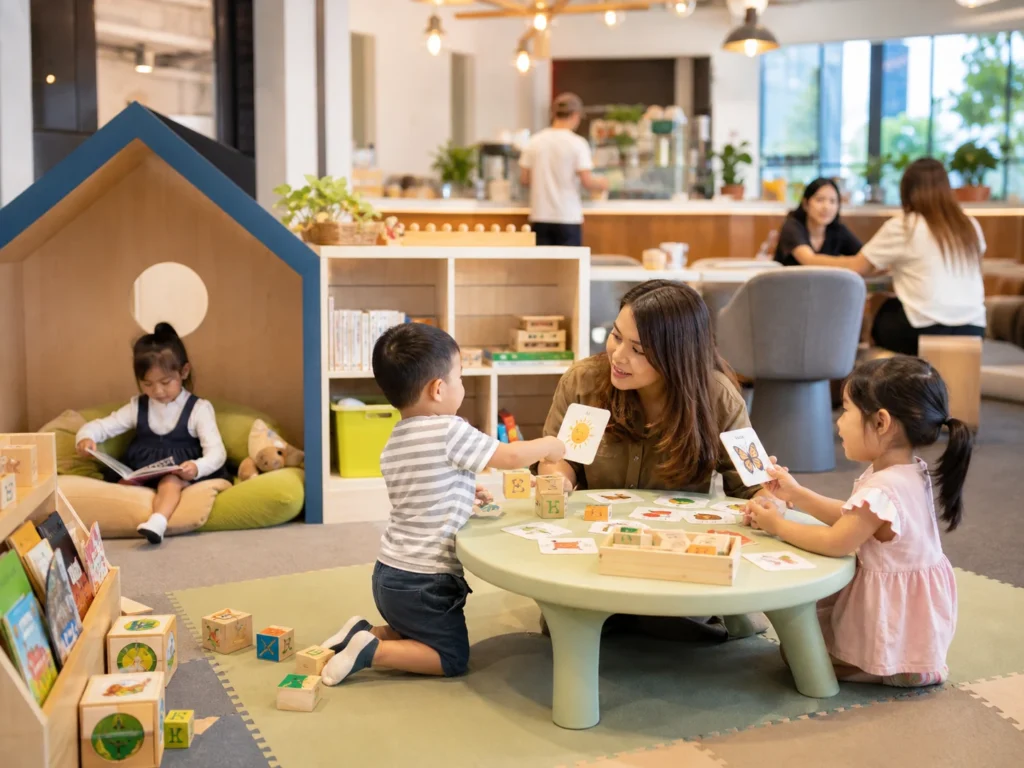
Las mejores actividades de alfabetización para niños en edad preescolar se perciben como un juego. Los niños no necesitan largas fichas de trabajo para desarrollar la preparación para la lectura temprana. Lo que necesitan son conversaciones enriquecedoras, cuentos, canciones, tarjetas ilustradas, movimiento, juegos de simulación, actividades de expresión creativa y espacios acogedores en los que lo escrito tenga sentido.
Para un jugar al café, sala de guardería, rincón de preescolar o parque infantil cubierto, las actividades de alfabetización deben ser fáciles de entender, sencillas de preparar y seguras para su uso diario y repetido. Una estación de actividades bien equipada ayuda a los niños a escuchar sonidos, reconocer letras, contar historias, ampliar su vocabulario y practicar la escritura en sus primeros pasos, mientras los adultos pueden supervisarlos cómodamente.
Esta guía adapta las ideas clásicas de alfabetización en la etapa preescolar a un plan práctico para centros familiares de carácter comercial, en los que el lenguaje se integra en la experiencia lúdica.
Por qué son importantes las actividades de alfabetización para los niños en edad preescolar
La alfabetización temprana va más allá de la simple lectura de palabras en una página. Antes de que los niños aprendan a leer por sí mismos, desarrollan varias habilidades interrelacionadas: la comprensión auditiva, la expresión oral, el vocabulario, la conciencia fonológica, la conciencia de la escritura, el conocimiento de las letras, el pensamiento narrativo y la motricidad fina necesaria para escribir.
Las actividades de alfabetización basadas en el juego fomentan estas habilidades porque dan a los niños un motivo para utilizar el lenguaje. Un niño que clasifica tarjetas de animales practica el vocabulario. Un niño que aplaude al decir un nombre percibe las sílabas. Un niño que crea un menú de fantasía descubre que los signos y símbolos pueden transmitir significado.
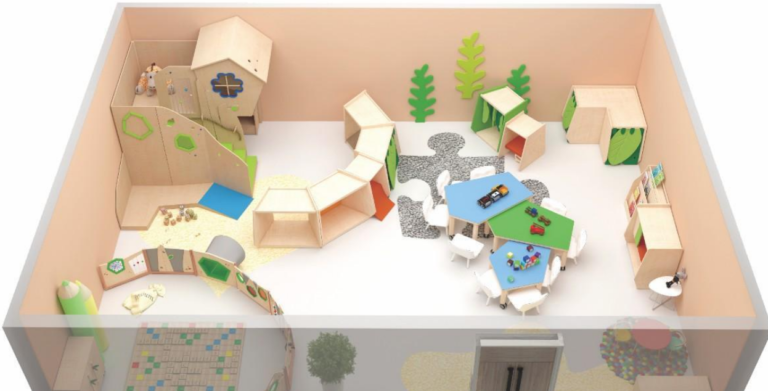
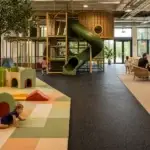
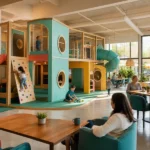
En los espacios familiares comerciales, las actividades de alfabetización también aportan un toque más tranquilo a la experiencia de los visitantes. El juego activo atrae a los niños, pero los rincones tranquilos para contar cuentos, los accesorios para juegos de rol y los juegos con tarjetas ilustradas pueden prolongar el tiempo de permanencia, facilitar las visitas de grupos de diferentes edades y dar a los padres una razón para ver el local como algo más que un lugar donde correr. En espacios reducidos, estos momentos de aprendizaje deben planificarse teniendo en cuenta la distribución de los asientos, la visibilidad y el flujo de personas; por eso, Koalaplay tiene en cuenta planificación de un café lúdico como una decisión global de maquetación.
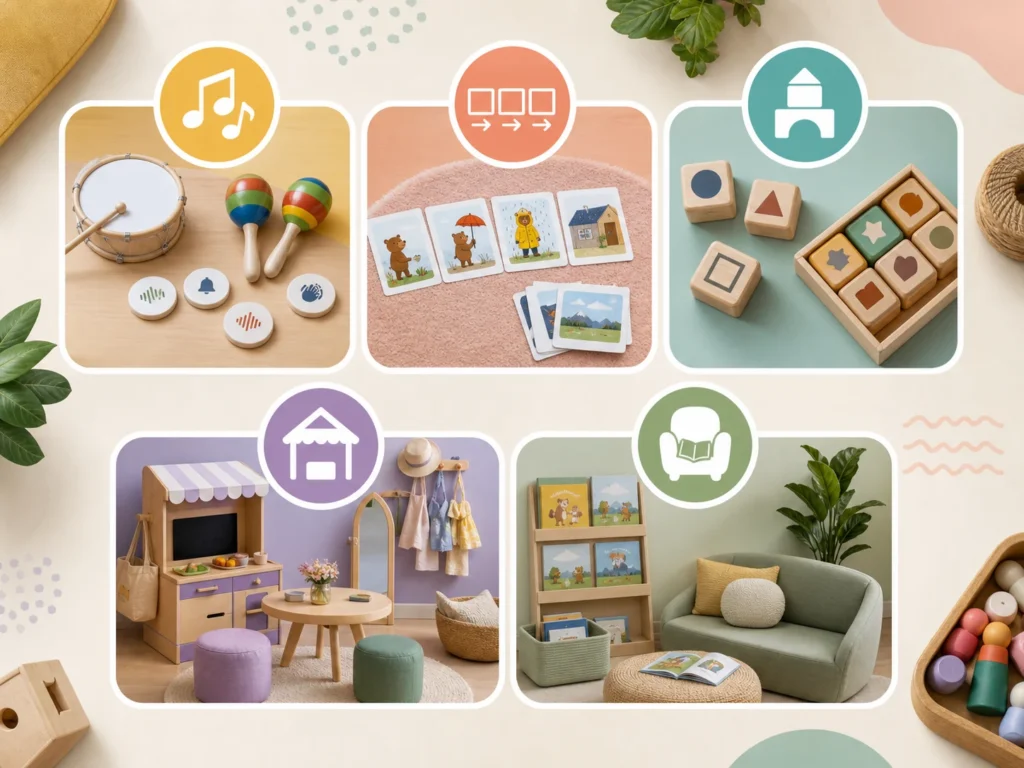
Antes de elegir actividades de alfabetización para preescolares, planifica el espacio
La actividad es solo la mitad de la experiencia. La otra mitad es el entorno que la rodea.
Empieza por el rango de edad al que va dirigido. Los niños de dos y tres años necesitan piezas grandes, actividades breves, asientos mullidos y tarjetas ilustradas sencillas. Los de cuatro y cinco años pueden afrontar más actividades de secuenciación, emparejamiento, simulación de escritura y narración de cuentos en grupo. Si también acuden hermanos mayores, añade tarjetas de retos opcionales para que el espacio no resulte demasiado infantil.
A continuación, piensa en la supervisión. Las estaciones de alfabetización funcionan mejor cerca del campo de visión de los padres, no escondidas detrás de una estructura alta. Las estanterías bajas, los separadores curvos, las barreras transparentes y los asientos abiertos ayudan a los adultos a ver a los niños sin interrumpir el juego. En un parque infantil interior, las zonas de alfabetización deben situarse junto a áreas más tranquilas para niños pequeños o de juego de rol, en lugar de en medio de las salidas de los toboganes o de las pistas para correr.
Por último, planifica la reorganización y la limpieza. Los elementos de las actividades comerciales deben ser lavables, resistentes y fáciles de guardar en los contenedores correspondientes. Evita las piezas pequeñas sueltas que puedan perderse debajo de los muebles. Utiliza tarjetas por duplicado para las actividades más populares. Elige muebles con bordes redondeados y suelos blandos donde los niños puedan sentarse, arrodillarse, gatear o apoyarse mientras juegan.
14 actividades divertidas y eficaces para fomentar la alfabetización en niños en edad preescolar
Las actividades que se indican a continuación están agrupadas por objetivo de aprendizaje. La mayoría pueden realizarse en casa o en el aula, aunque las notas se han redactado pensando en los espacios comerciales.
1. Cesta de rimas
Coloca pares de tarjetas ilustradas u objetos de juguete en una cesta: gato y sombrero, oso y silla, barco y abrigo. Los niños sacan un objeto, dicen su nombre y buscan su pareja que rime con él.
Esta actividad fomenta la conciencia fonológica sin que los niños tengan que leer palabras impresas. En el aula, utiliza fichas ilustradas resistentes o tarjetas plastificadas, y procura que el conjunto sea lo suficientemente pequeño como para poder reorganizarlo rápidamente.
2. Nombres con palmas por sílaba
Anima a los niños a dar palmas al ritmo de sus nombres: Mia, dos palmas; Oliver, tres palmas. A continuación, prueba con palabras relacionadas con sus lugares de juego favoritos, como «tobogán», «túnel», «cocina» o «cumpleaños».
Las actividades basadas en los nombres transmiten una sensación de cercanía e inclusión. Además, resultan muy útiles durante las transiciones entre actividades en grupo, la hora del círculo o como actividad de calentamiento en las fiestas.
3. Búsqueda de sonidos iniciales
Elige un sonido e invita a los niños a buscar objetos cercanos que empiecen por ese sonido. Por ejemplo, la /b/ podría dar lugar a «pelota», «libro», «bloque» o «cesta».
Esto resulta especialmente útil en una cafetería de juegos, ya que el entorno ya cuenta con objetos significativos. El personal puede convertir el tiempo de espera en un breve juego lingüístico sin necesidad de una preparación compleja.
4. Fichas para ordenar la historia
Entrega a los niños entre tres y cinco tarjetas ilustradas que muestren una actividad sencilla: despertarse, lavarse los dientes, desayunar, ir a jugar. Pídeles que pongan las tarjetas en orden y cuenten la historia.
La secuenciación favorece la comprensión y el pensamiento narrativo. Utiliza tarjetas grandes con ilustraciones claras para que los niños puedan explicar lo que ven incluso antes de saber leer.
5. Recuento de cuentos con marionetas
Después de leer un cuento, los niños utilizan marionetas, peluches o figuras de fieltro para representar el principio, el desarrollo y el final.
Esto funciona muy bien en rincones más tranquilos, ya que fomenta el lenguaje oral, la memoria y la confianza. Un pequeño teatro de marionetas también puede convertirse en un elemento ideal para las fotos de la fiesta.
6. Clasificación de vocabulario con imágenes
Coloca tarjetas ilustradas de categorías conocidas: comida, animales, vehículos, ropa, lugares o sentimientos. Los niños clasifican las tarjetas, las nombran y explican por qué van juntas.
La clasificación hace que el vocabulario sea más visible. En las comunidades multilingües, el personal puede animar a los niños y a los padres a decir palabras en las diferentes lenguas que se hablan en casa, lo que hace que el centro resulte más acogedor.
7. El camino del alfabeto
Coloca alfombrillas o tarjetas con letras grandes a lo largo de un recorrido seguro. Los niños pisan una letra, dicen su nombre o su sonido y nombran un objeto que empiece por esa letra.
El movimiento ayuda a los niños en edad preescolar activos a mantenerse entretenidos. En un entorno comercial, utiliza alfombrillas blandas y antideslizantes, y mantén el recorrido alejado de las zonas de tráfico intenso.
8. Bandeja del tesoro de las letras
Esconde letras de espuma o de madera en una bandeja sensorial junto con pompones grandes, cuadrados de tela o bloques blandos. Los niños buscan una letra, la emparejan con una tarjeta y dicen su sonido.
Esta actividad combina el juego táctil con el reconocimiento de letras. Para el uso diario, elige materiales de relleno que sean fáciles de desinfectar o sustituir, y evita aquellos que se esparzan por todas partes.
9. Rompecabezas de nombres
Imprime o escribe el nombre de cada niño en una tira y, a continuación, entrega las letras correspondientes. Los niños deben recomponer sus nombres en el orden correcto.
El reconocimiento de nombres suele ser una de las primeras experiencias significativas con la lectura que tienen los niños en edad preescolar. En los espacios públicos, esto se puede adaptar utilizando palabras comunes en lugar de nombres propios: mamá, papá, jugar, libro, cafetería, saltar.
10. Trazar letras con arena o sal
Los niños trazan letras, líneas, curvas o figuras en una bandeja poco profunda llena de arena o sal. Pueden copiar lo que ven en una tarjeta o crear sus propios trazos.
Esto favorece el desarrollo de las habilidades previas a la escritura y el control de la motricidad fina. En un espacio comercial, se recomienda utilizar pizarras de borrado en seco, paneles magnéticos para trazar o bandejas sensoriales cerradas si resulta complicado manejar materiales sueltos.
11. Paseo por el entorno impreso
Recorre el espacio y fíjate en los carteles, las etiquetas, las flechas, los iconos, los paneles de menús y los nombres de las salas. Pregunta a los niños qué puede significar cada señal.
La conciencia sobre la letra impresa aumenta cuando los niños ven que las palabras y los símbolos tienen una función real. En un diseño juegos infantiles de interior En cuanto a la distribución, unos indicios visuales claros pueden favorecer tanto el aprendizaje de los niños como un funcionamiento más fluido.
12. Menú de la cafetería de juguete
Prepara una cafetería de juguete con menús ilustrados, blocs para tomar pedidos, comida de juguete y tarjetas con símbolos sencillos. Los niños toman los pedidos, “escriben” notas, emparejan imágenes y les dicen a los clientes lo que han elegido.
Los menús de juguete dan sentido a los primeros intentos de escritura. Además, encajan perfectamente en los conceptos de «cafetería de juegos», ya que los niños imitan la experiencia real que viven los padres a su alrededor.
13. Emparejar la lista de la compra
En un mercado de juguete, los niños emparejan tarjetas ilustradas con productos de alimentación con los objetos que hay en las estanterías. Los niños de preescolar de más edad pueden “escribir” listas con garabatos, letras copiadas o pegatinas.
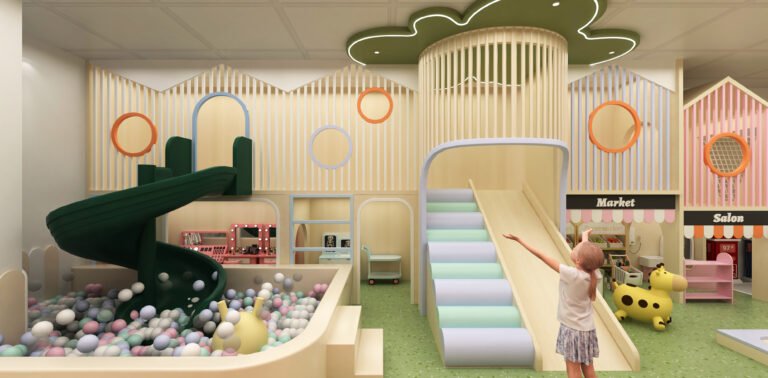
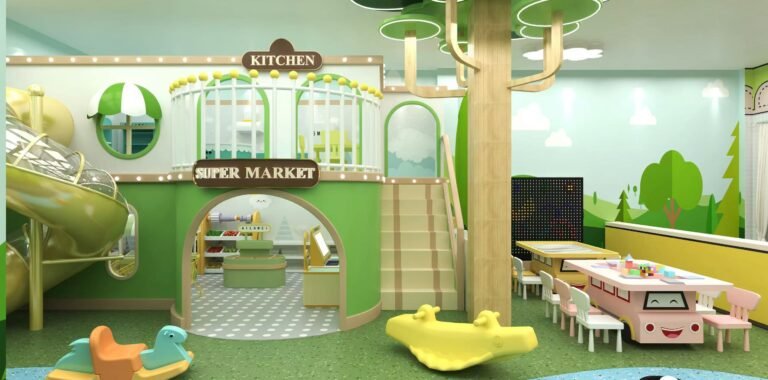
Esto combina el vocabulario, la clasificación, la familiarización con el texto impreso y los juegos de rol. Koalaplay suele organizar zonas de juegos de rol como puntos de referencia para las visitas repetidas, ya que los niños pueden volver al mismo entorno e inventar nuevas historias cada vez.
14. Rincón de la literatura
Crea un rincón de lectura acogedor con libros colocados de cara al público, asientos cómodos y estímulos para la conversación. En lugar de limitarte a pedir a los niños que se sienten en silencio, invítales a señalar, predecir, describir y volver a contar la historia.
Los mejores rincones de lectura no tienen por qué ser grandes. Lo que necesitan es una buena iluminación, una ubicación visible, asientos limpios y libros adecuados para la franja de edad.
Cómo utilizar las actividades de alfabetización en un «Play Café» o en un parque infantil cubierto
Un local comercial no debería concentrar todas las actividades de alfabetización en una sola mesa abarrotada. Es mejor distribuirlas a lo largo de todo el recorrido del cliente.
Cerca de la entrada, utiliza elementos gráficos sencillos del entorno: etiquetas en la zona de zapatos, iconos amables, etiquetas con los nombres y normas ilustradas. En la zona de los más pequeños, utiliza libros de páginas blandas, tarjetas grandes y juegos sonoros. En la zona de juegos de simulación, añade menús, correo, listas de la compra, historiales médicos, entradas, mapas o planos de construcción. Cerca de la zona de asientos para padres, habilita un rincón de lectura tranquilo donde los adultos puedan leer con los niños sin perder de vista el resto de la zona de juegos.
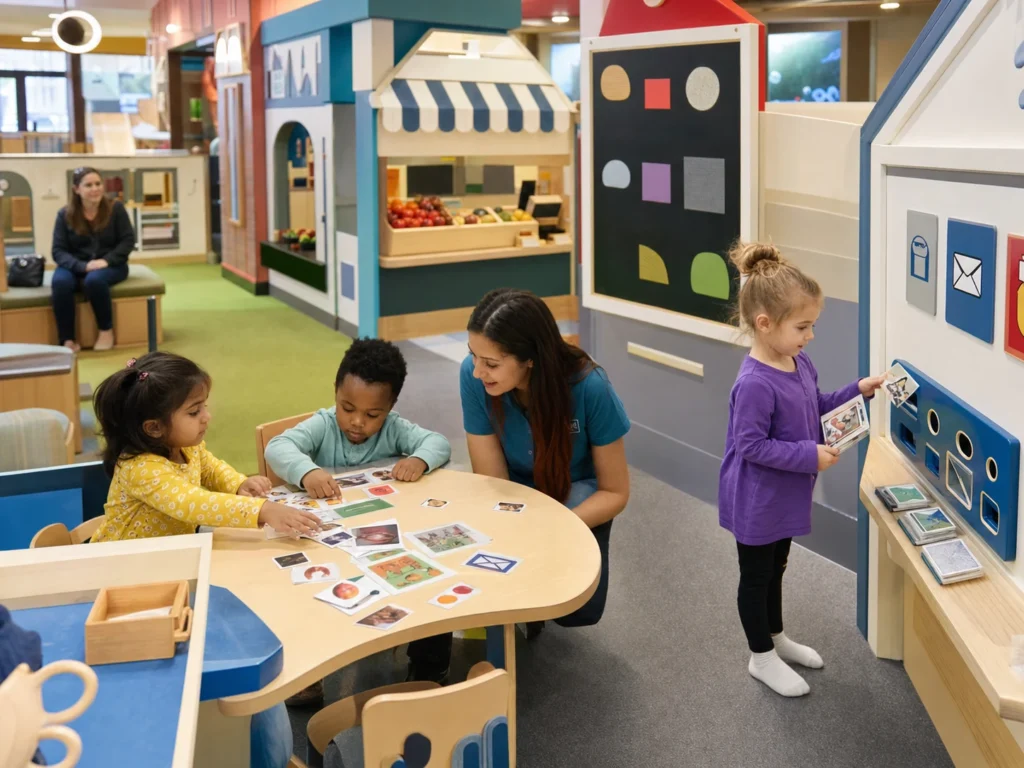
Utiliza el tipo de actividad para determinar a qué categoría pertenece:
| Zona | La mejor actividad de alfabetización | Valor operativo |
|---|---|---|
| Entrada y espera | Tarjetas de identificación, normas sobre fotografías, identificación de señales | Reduce la confusión y aprovecha el tiempo de inactividad |
| Juegos para niños pequeños | Canciones, rimas, tarjetas ilustradas de gran tamaño | Adecuado para personas con poca capacidad de atención |
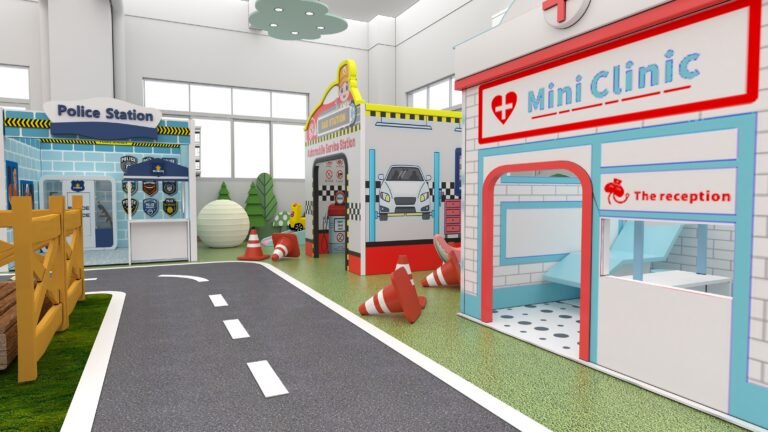
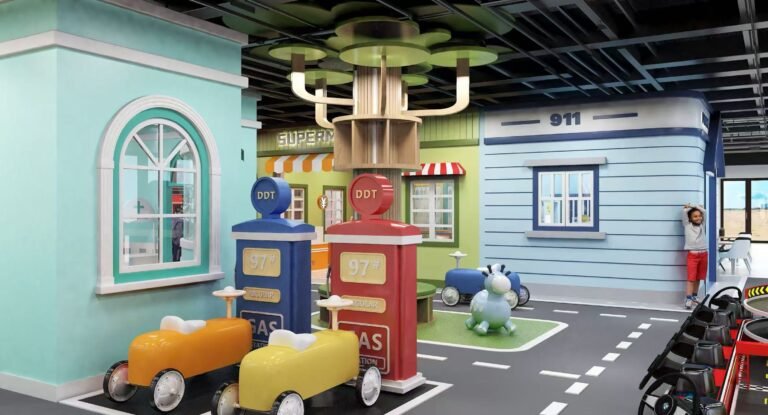
| Zona de juegos de rol | Menús, correo, listas de la compra, atrezo para cuentos | Fomenta la repetición de historias y el juego social |
| Rincón de lectura | Charla sobre libros, representación con títeres, cuentacuentos en silencio | Aumenta el tiempo de reposo en calma |
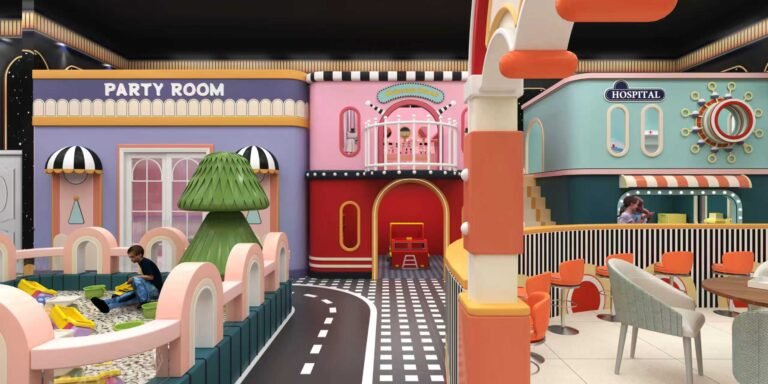
| Sala de fiestas | Juegos de historias, pancartas con nombres, secuencias en grupo | Hace que las celebraciones sean más personales |
Cuando estas zonas se planifican desde el principio, la experiencia de alfabetización se percibe como algo integrado, en lugar de algo añadido posteriormente. Durante el programa de Koalaplay… proceso de servicio, se pueden tratar detalles como el rango de edades, la distribución del espacio, la temática, el flujo de visitantes y los requisitos de instalación antes de que se fabrique el equipamiento.
Seguridad, materiales y funcionamiento diario
Las actividades de alfabetización para niños en edad preescolar requieren el mismo enfoque práctico que el equipamiento lúdico. Los materiales deben adaptarse al grupo de edad, al modelo de supervisión y a la rutina de limpieza.
Evita las piezas pequeñas desmontables para los niños más pequeños. Elige muebles con bordes redondeados, estanterías estables, superficies lavables y cajas de almacenamiento que los niños puedan utilizar por sí mismos. Si las tarjetas las manipulan muchos niños, utiliza materiales plastificados o que se puedan limpiar con un paño y ve alternando los juegos duplicados. Si la estación incluye lápices, rotuladores, tijeras, clips o imanes, colócala en un lugar donde el personal pueda supervisar de cerca a los niños.
El flujo de tráfico también es importante. Un niño concentrado en una tarjeta ilustrada no debería sentarse en la plataforma de llegada de un tobogán. Un lector tranquilo no debería ser empujado por niños que corren de una zona a otra. Las zonas de alfabetización comerciales funcionan mejor en los límites de las zonas de juego activo, junto a la línea de visión de los padres o dentro de salas cerradas destinadas a juegos de rol.
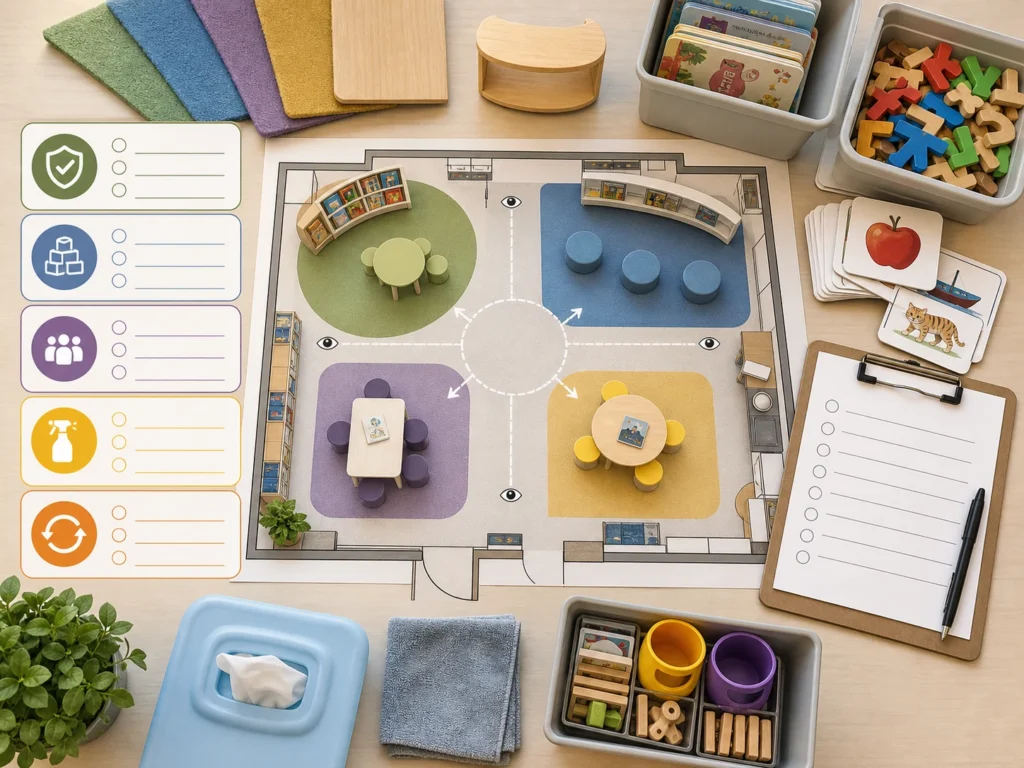
La elección de los materiales influye en el mantenimiento a largo plazo. Los suelos blandos, los acolchados, los paneles, los acabados de madera, la tapicería y los elementos de unión deben adaptarse al nivel de tránsito previsto. Koalaplay’s calidad del material Estas recomendaciones resultan útiles a la hora de comparar superficies, acolchados y detalles de construcción para un local familiar que debe mantenerse seguro y presentable a pesar del uso diario.
Errores comunes que hay que evitar
El primer error es que las actividades resulten demasiado académicas. La alfabetización en la etapa preescolar debe ser lúdica, social y práctica, no parecerse a una clase en la que se trabajan fichas.
El segundo error es añadir demasiadas piezas sueltas. Una actividad que parece estupenda acaba resultando frustrante si para la hora de comer ya faltan la mitad de las piezas, así que elige menos actividades y haz que sean duraderas.
El tercer error es situar las actividades de alfabetización, que requieren tranquilidad, en zonas ruidosas o con mucho movimiento. La narración de cuentos, los juegos de emparejamiento y los primeros pasos en la escritura necesitan un espacio más tranquilo. En los cafés de juegos, los padres también deberían poder darse cuenta de lo que está aprendiendo su hijo; un rincón de lectura visible o una estación con un menú de juguete pueden transmitir el valor educativo sin necesidad de una larga explicación.
Preguntas frecuentes: Actividades de alfabetización para niños en edad preescolar
¿Cuáles son las mejores actividades de alfabetización para niños en edad preescolar?
Entre las mejores actividades de alfabetización para niños en edad preescolar se incluyen los juegos de rimas, la secuenciación de cuentos, la clasificación de vocabulario con imágenes, el reconocimiento de nombres, la búsqueda de letras, los menús de simulación, la narración con títeres, los coloquios sobre libros y los primeros trazos.
¿A qué edad deben comenzar las actividades de alfabetización en la etapa preescolar?
Las experiencias sencillas de alfabetización pueden comenzar antes de la etapa preescolar mediante canciones, conversaciones, la lectura compartida de libros y juegos con imágenes. Para los niños de 3 a 5 años, se pueden añadir las rimas, las sílabas, el reconocimiento de letras, la narración de cuentos y los primeros pasos en la escritura.
¿Necesitan los niños en edad preescolar fichas de trabajo para aprender a leer y escribir?
No. Las fichas de trabajo no son la vía principal para la alfabetización en la etapa preescolar. Los niños pequeños suelen aprender de forma más natural a través de la conversación, los cuentos, las canciones, los materiales de juego, las actividades sensoriales, el movimiento y la simulación de la escritura.
¿Cómo puede un café-juego incluir actividades de alfabetización sin que parezca un colegio?
Incorpora la alfabetización en los temas de juego. Añade menús ilustrados en la cafetería de juguete, tarjetas postales en una mini ciudad, accesorios para contar historias en el rincón de lectura y carteles cerca de la entrada. Las actividades deben complementar la historia del juego, en lugar de interrumpirla.
¿Cuántas estaciones de alfabetización debería incluir un local pequeño?
Para crear un rincón de juegos o una zona de guardería compacta, suele ser mejor disponer de dos o tres estaciones bien planificadas que de muchas actividades dispersas. Empieza con un rincón de lectura, una estación de juegos con tarjetas ilustradas o de sonidos y una zona de escritura para juegos de simulación.
Diseña un espacio de aprendizaje infantil basado en el juego con Koalaplay
Si estás diseñando una cafetería lúdica, una sala de juegos para una guardería, un espacio de actividades para preescolares o un parque infantil interior con valor educativo para la primera infancia, Koalaplay puede ayudarte a convertir tus ideas de actividades en un diseño comercial práctico.
Indícanos la distribución del espacio, la altura del techo, el rango de edad al que va dirigido, el país, la temática, el presupuesto y las necesidades de instalación. Koalaplay puede ayudarte a planificar la estructura de juegos, la zona para niños pequeños, el área de juegos de rol, el rincón de lectura, el suelo de seguridad, el espacio de almacenamiento, la visibilidad para los padres y los detalles temáticos personalizados, de modo que las actividades de alfabetización para niños en edad preescolar se integren de forma natural en la experiencia global del recinto.







 English
 Spanish
 German